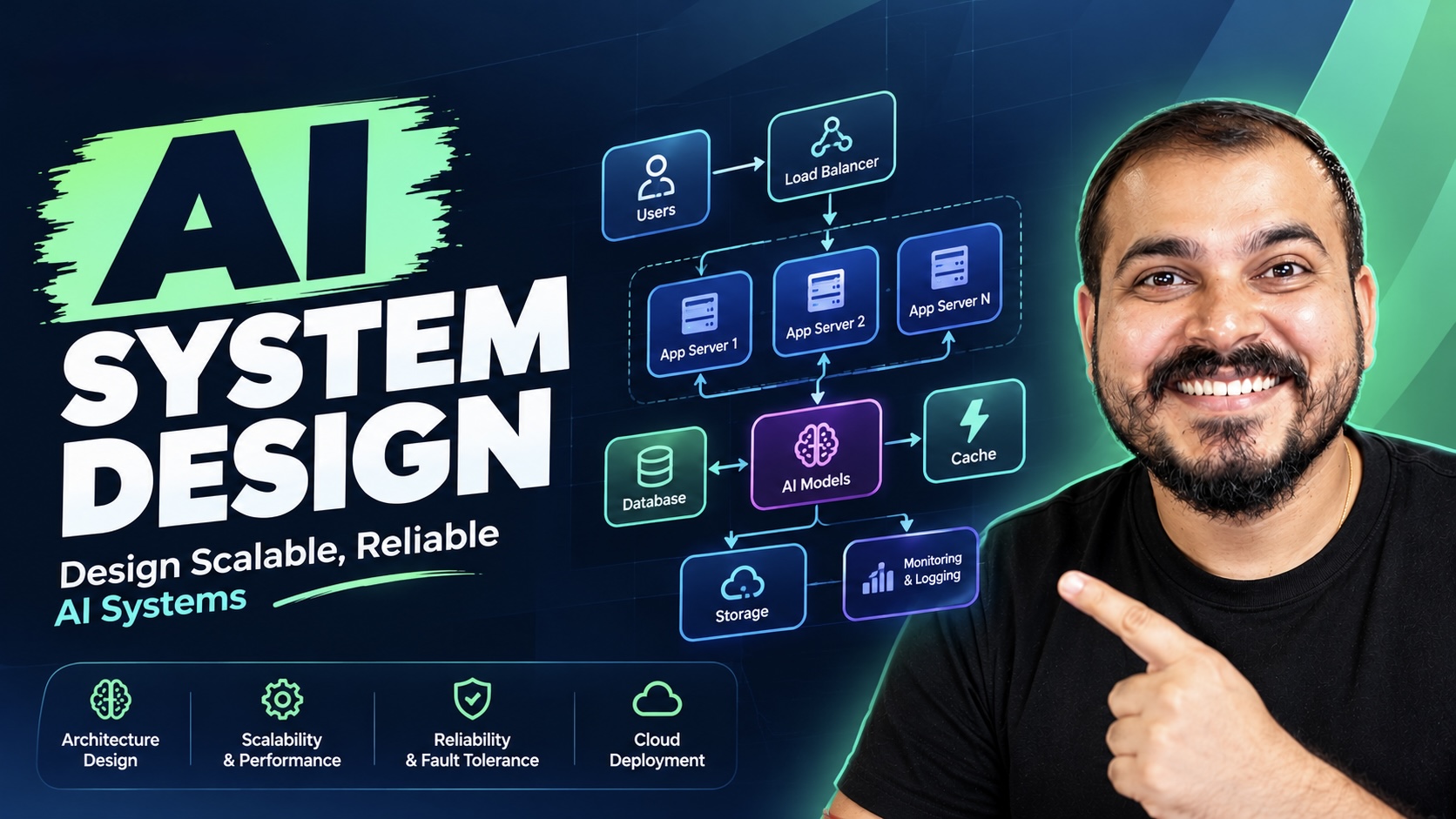
Complete AI System Design And Infrastructure Bootcamp
6.5 Months
Launch Your Data Career
Prerequisites & System Requirements
-
Programming & Foundations: Working knowledge of Python or JavaScript, Git, and the command line.
-
AI & LLM Basics: A foundational understanding of LLMs, prompts, and APIs (prior familiarity with RAG and agents is helpful).
-
Cloud & Hardware: A laptop, an Android phone (for the on-device mobile project), and a cloud account (AWS, GCP, or Azure) with billing enabled for GPU labs.
-
Coding Agents: A paid plan for at least one AI coding agent (such as Claude Code, Cursor, or OpenAI Codex) is recommended.
Everyone is building with AI, but very few are shipping it. At Krish Naik Academy, we designed the AI System Design Bootcamp to help engineers bridge the gap between running local prototypes and deploying scalable, monetizable AI applications. If you are ready to move beyond simple weekend projects, we will take you step-by-step through designing, deploying, and scaling production AI systems across the application, AI, data, and infrastructure layers.
Detailed Curriculum Structure
-
Part 1: Modern AI Development and Agents: Covers the modern AI-native Software Development Life Cycle (SDLC) using spec-driven development, PRDs, and advanced utilisation of coding agents like Claude Code, Cursor, and OpenAI Codex. Students also build and govern always-on AI agent fleets using an AgentOps control tower.
-
Part 2: Inference Engineering: Focuses on optimising LLM speed and affordability. Students learn to size GPUs, benchmark engines (like VLLM and SGLang), and reduce latency through batching, caching, and quantisation.
-
Part 3: AI Infrastructure and Enterprise AI: Involves self-hosting and fine-tuning open-source LLMs on company infrastructure, deploying LLMs locally on mobile devices (Android and iOS) with cloud fallbacks, and designing multimodal Retrieval-Augmented Generation (RAG) systems at scale.
-
Part 4: Real-World AI Products: Students build, package, and launch production-grade systems, including an enterprise lead management system, a localised AI voice receptionist, and a desktop voice dictation app launched as a paid SaaS with subscriptions
Graduates will complete the program with a portfolio of six deployed, monitored, and secured production systems. The bootcamp prepares students for advanced roles such as AI Engineer, AI System Designer, Inference Engineer, and AI Solutions Architect.
What You Will Learn
Build the technical depth and enterprise mindset required to take AI systems from prototype to production.
Modern AI SDLC & Coding Agents
Master spec-driven development with GitHub Spec Kit, PRDs, context engineering, and advanced coding workflows using Claude Code, Cursor, and OpenAI Codex.
Always-On Agents & AgentOps
Build autonomous agent fleets on sandboxed cloud computers, manage long-term memory and tools via MCP, and track work, cost, and approvals using an AgentOps control tower.
Inference Engineering & Optimization
Size GPUs, benchmark engines (vLLM, SGLang, TensorRT-LLM), and slash latency and inference costs with continuous batching, prefix caching, and quantization.
Self-Hosted LLMs & Infrastructure as Code
Provision cloud GPU infrastructure with Terraform, self-host and fine-tune open-source models using LoRA/QLoRA, and load test against strict latency SLOs.
On-Device & Mobile AI
Compress and deploy models locally on Android and iOS using ExecuTorch and LiteRT, configure hybrid cloud fallbacks, and publish signed mobile builds.
Multimodal Enterprise Intelligence
Design production multimodal RAG systems using Docling, ColPali, and vector databases (Qdrant, Milvus), complete with permission-aware retrieval and A2A multi-agent reasoning
Enterprise AI & Business Workflows
Develop autonomous lead discovery and scoring systems with natural language Text-to-SQL, read-only guardrails, background worker queues, and self-hosted cloud deployment.
Voice AI & Telephony Systems
Engineer ultra-low-latency voice agents for Hindi and regional languages using Sarvam AI, Exotel, and LiveKit, integrated with real-time calendar booking and CRM pipelines.
Desktop AI & Commercial SaaS Launch
Package local speech dictation applications using Tauri/Whisper, implement global code signing, and launch paid subscription tiers via Razorpay and global MoR platforms.
AI Security, Evals & Observability
Harden deployments against OWASP Agentic Top 10 risks, establish automated RAG evals and guardrails, and track traces, latency, and costs using OpenTelemetry and Langfuse.
Projects You'll Build
In this bootcamp, you will gain hands-on experience by building six end-to-end production AI systems that span self-hosted infrastructure, on-device deployment, and enterprise applications. You will design, build, deploy, and scale each system using AI coding agents, ensuring every project is monitored, secured, and evaluated for cost and performance.
Project 1: Self-Host and Fine-Tune an LLM on Company Infrastructure
Host an open-source small language model on your own cloud infrastructure to function as an API. You will fine-tune the model on custom data using LoRA and QLoRA, redeploy it, and conduct load testing to prove it can serve 10,000 users within a defined latency target.
Project 2: Run an LLM on Mobile Devices
Take a small model from a file to a fully functioning application running locally on users' phones to ensure privacy and offline capability. You will compress the model, test the application on both Android and iOS devices, integrate a cloud fallback for heavy requests, and release the signed app to testers.
Project 3: Multimodal Company Artefact Intelligence at Scale
Build an enterprise brain that searches and reasons across complex documents, including PDFs, slides, scans, images, and audio. You will implement multimodal embeddings and vector databases at scale, configure permission-aware retrieval, and deploy multi-agent workflows using LangGraph, MCP, and A2A orchestration.
Project 4: Enterprise Lead Management System
Develop a comprehensive AI system that discovers, enriches, scores, and contacts leads, modeled on a live client deployment. You will implement a unified inbox with intent detection, build a natural-language Text-to-SQL analytics interface for managers, and deploy the entire system securely via Docker and Terraform.
Project 5: AI Receptionist System
Engineer a low-latency voice AI receptionist capable of answering calls 24x7 in Hindi and English. Based on a real clinic deployment, you will integrate the system with Indian telephony providers, design conversational flows to book appointments, send WhatsApp confirmations, and generate call analytics dashboards.
Course Curriculum
AI-Assisted Development: The Modern SDLC
- 1SDLC evolution: waterfall, agile, DevOps, AI-native
- 2AWS AI-DLC: Inception, Construction, Operations
- 3Short bolts instead of sprints
- 4DORA 2025: AI amplifies strong teams and exposes weak ones
- 5New role of the developer: intent, review, decisions
- 6Where AI-written code fails: security, almost right logic
- 7Writing PRDs agents can execute: problem, users, stories, acceptance criteria
- 8Spec-driven development levels: spec-first, spec-anchored, spec-as-source
- 9GitHub Spec Kit: constitution, specify, plan, tasks, implement
- 10Kiro specs and OpenSpec for changes to existing code
- 11BMAD agent personas and when specs are overkill
- 12CLAUDE.md, AGENTS.md, and rules files; avoiding instruction bloat
- 13Agent Skills: SKILL.md structure, scripts, references, progressive loading
- 14MCP as the standard way to give agents tools and data
- 15Options landscape: AWS, GCP, Azure, open and closed models, coding agents
- 16Choosing tools for a team: cost, privacy, lock-in
- 17Git branching, small atomic commits, worktrees for parallel agents
- 18Pull request review of AI-written code
- 19Testing with AI: specs first, unit and end-to-end tests
- 20Feedback sensors: linters, type checks, security and secret scanning
- 21CI with GitHub Actions and AI review bots
Learn from Industry Experts


Why This Course
AI-Native Software Engineering
Move beyond manual coding by defining intent through PRDs, spec-driven development (GitHub Spec Kit), and context engineering. Build reliably with advanced coding agents like Claude Code, Cursor, and OpenAI Codex.
Always-On Agent Fleets
Build and deploy autonomous agent fleets running on persistent, sandboxed cloud computers. Manage long-term memory, enable tool access via MCP, and orchestrate oversight using an AgentOps control tower.
Production Inference Engineering
Master what happens inside the GPU during execution. Size hardware, benchmark high-throughput inference engines (vLLM, SGLang, TensorRT-LLM), and reduce latency and costs with continuous batching, prefix caching, and quantization.
Self-Hosted & Private LLMs
Keep company data private by provisioning infrastructure with Terraform and self-hosting open-source models. Fine-tune models with LoRA/QLoRA and run stress tests to validate latency SLOs for 10,000 concurrent users.
Edge & On-Device Deployment
Eliminate cloud API dependencies by deploying small models locally on Android and iOS devices using ExecuTorch and LiteRT. Architect hybrid cloud fallbacks, optimize for battery and thermal constraints, and ship signed mobile builds.
Enterprise Multimodal Intelligence
Unlock unsearchable enterprise assets—including PDFs, slides, scans, images, and audio—using Docling, OCR, and ColPali visual embeddings. Scale retrieval with Qdrant and Milvus, enforce permission-aware access, and enable multi-agent A2A collaboration.
Real-Time Voice AI & Telephony
Design low-latency, conversational voice agents optimized for Indian telephony using Exotel, Plivo, and Sarvam AI. Implement human-like turn-taking, automated calendar scheduling, and post-call WhatsApp confirmations.
Commercial SaaS Monetization
Learn how real AI businesses generate revenue. Package local AI desktop applications with Tauri, configure cross-platform code signing, and set up subscription billing models via Razorpay and global Merchants of Record.
Enterprise Governance & Observability
Protect systems against the OWASP Agentic Top 10 vulnerabilities with robust guardrails and automated red teaming. Track distributed traces, latency budgets, and token costs with OpenTelemetry, Prometheus, and Langfuse.
Skills You Will Acquire
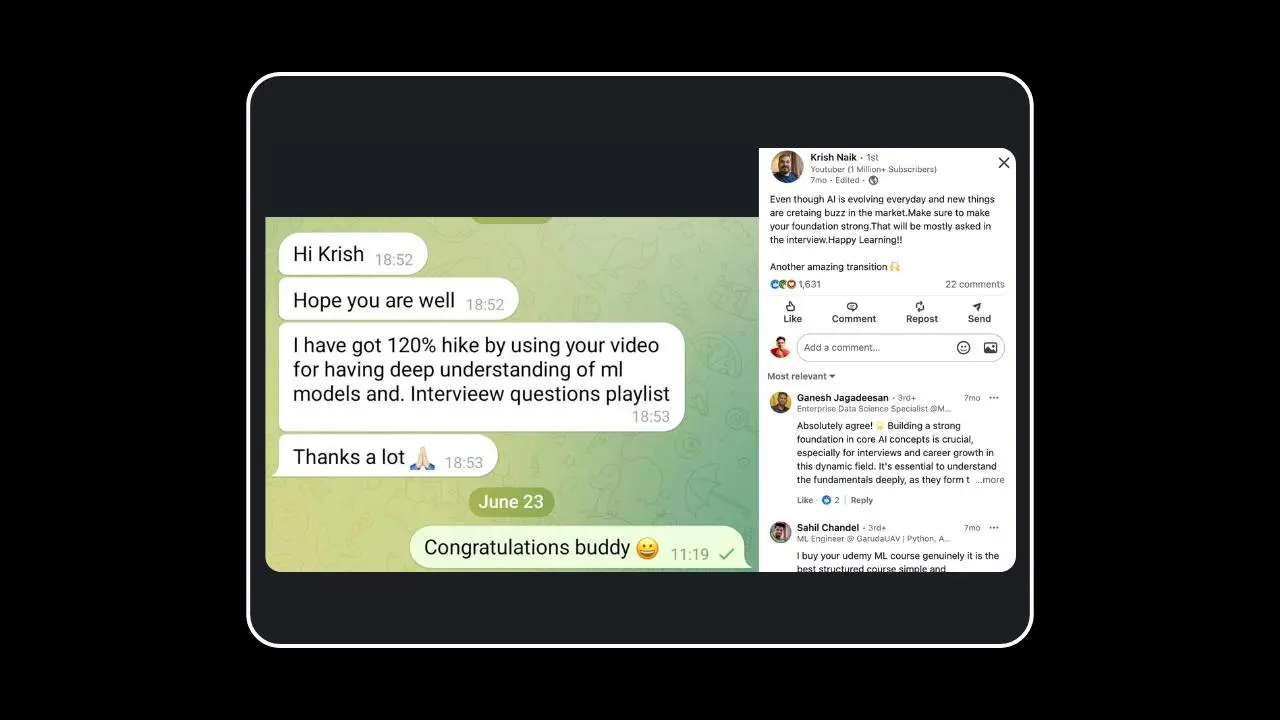
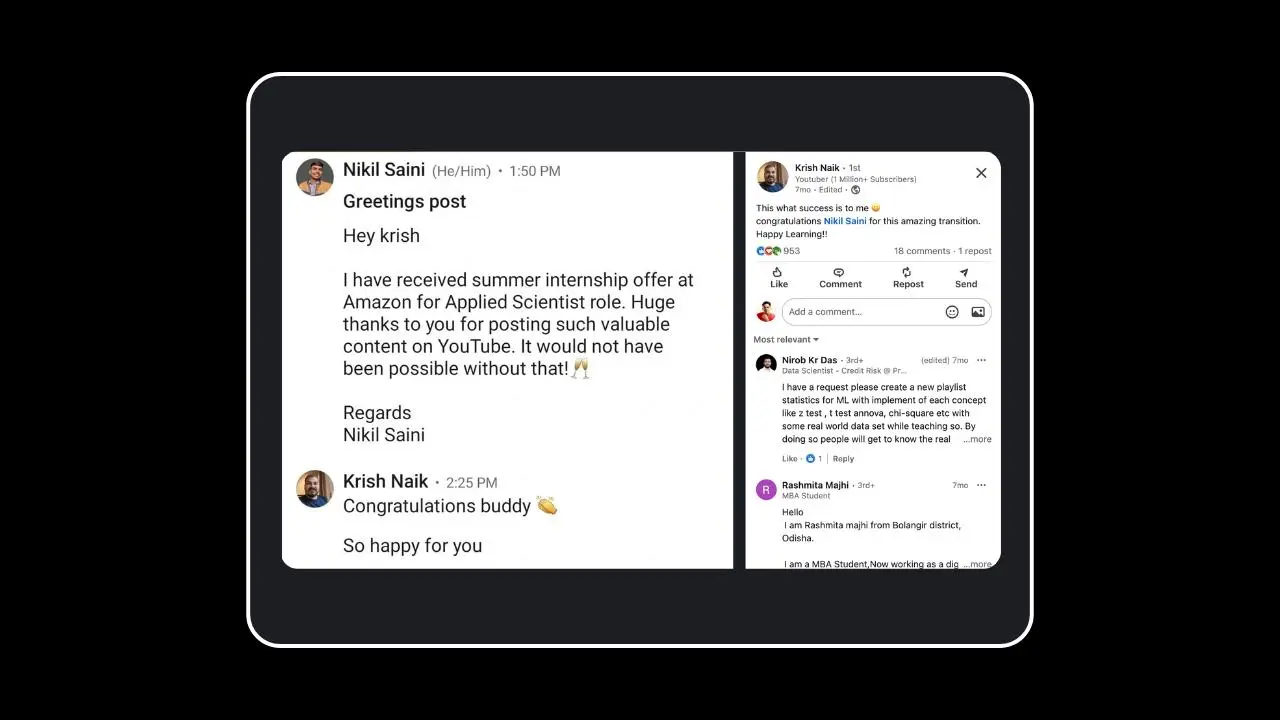
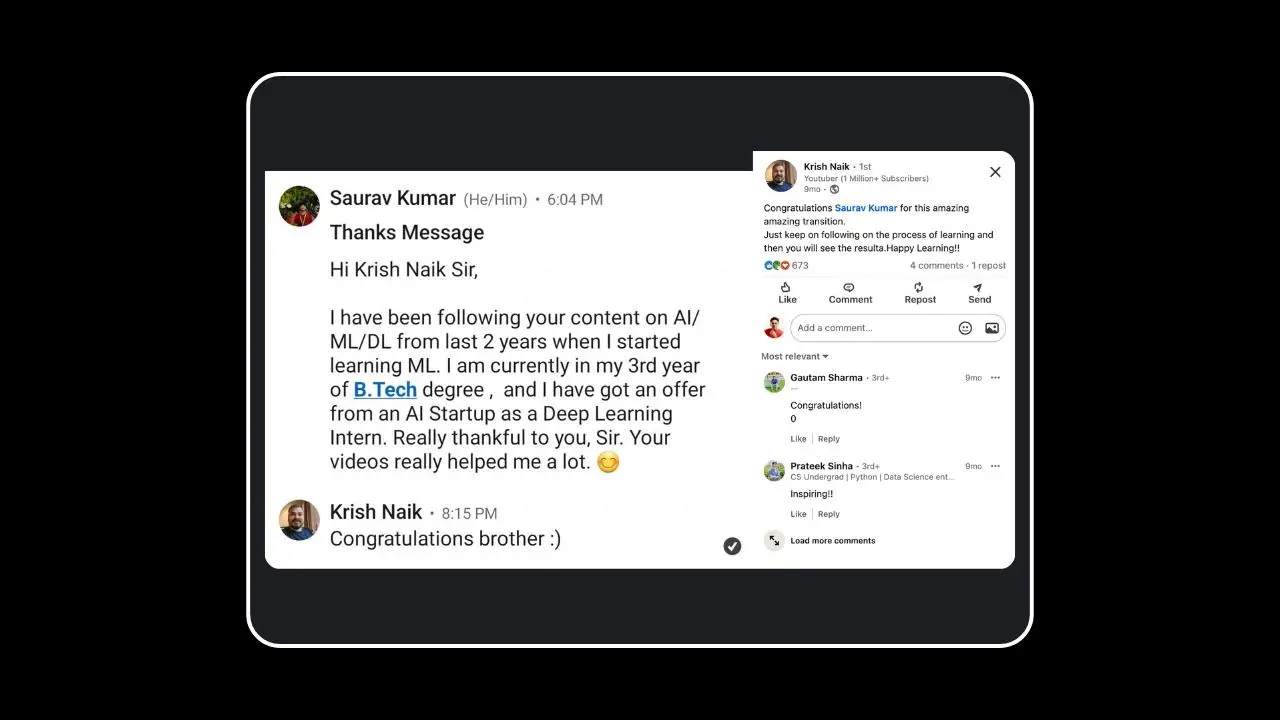
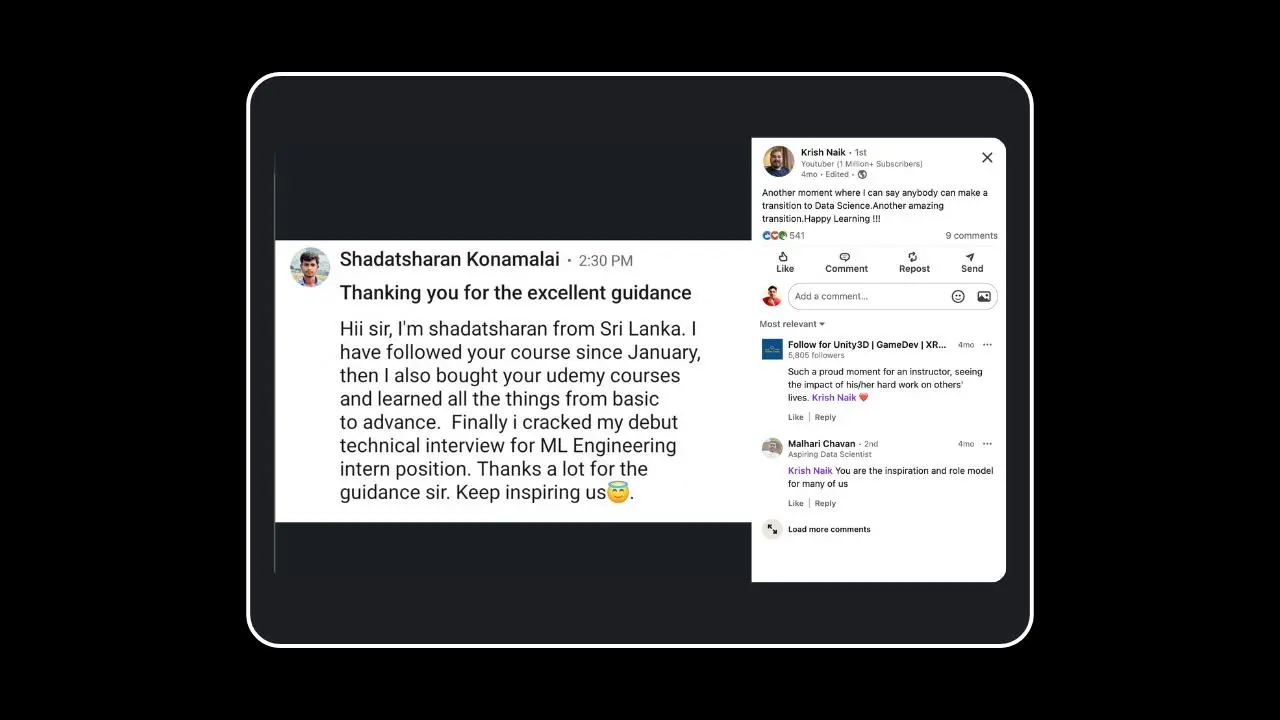
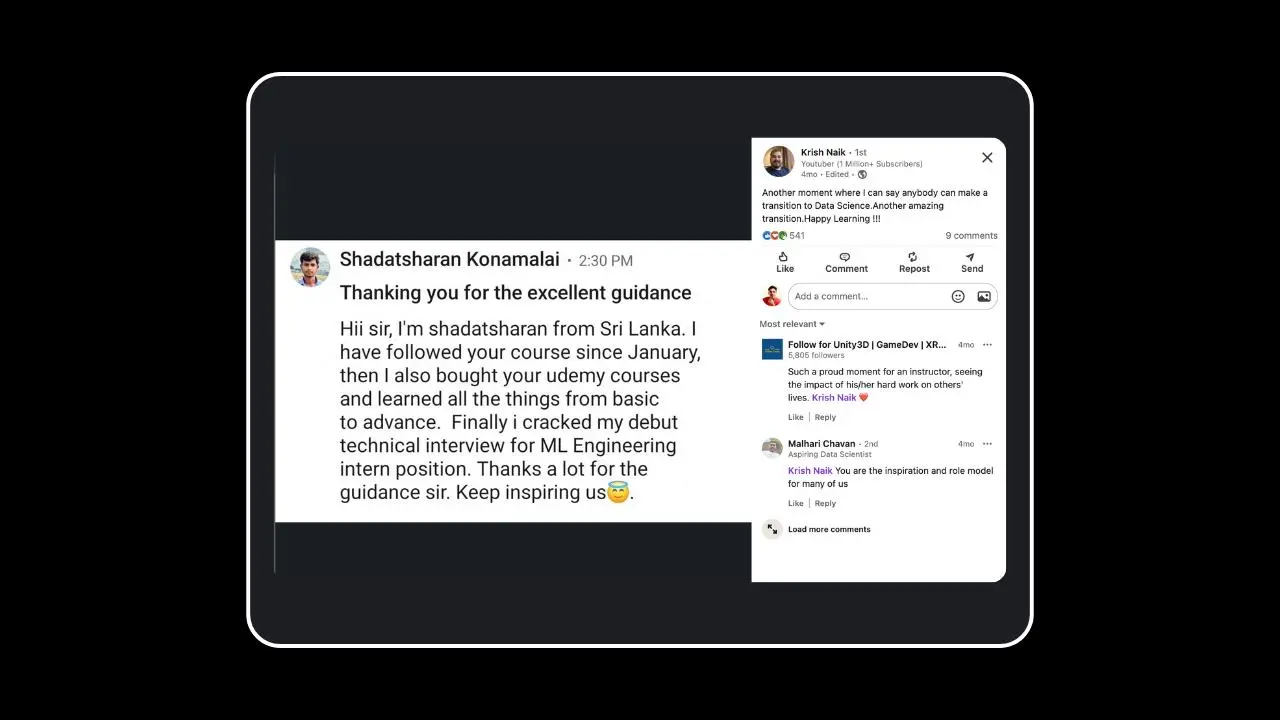
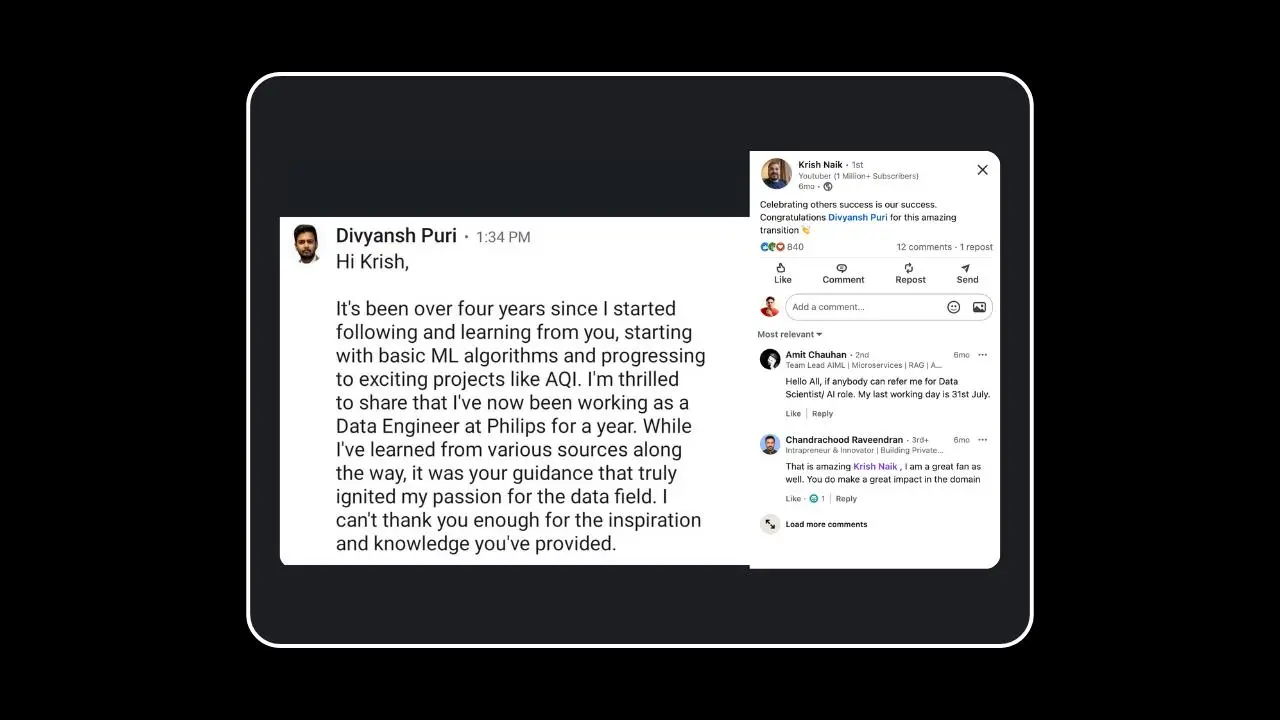
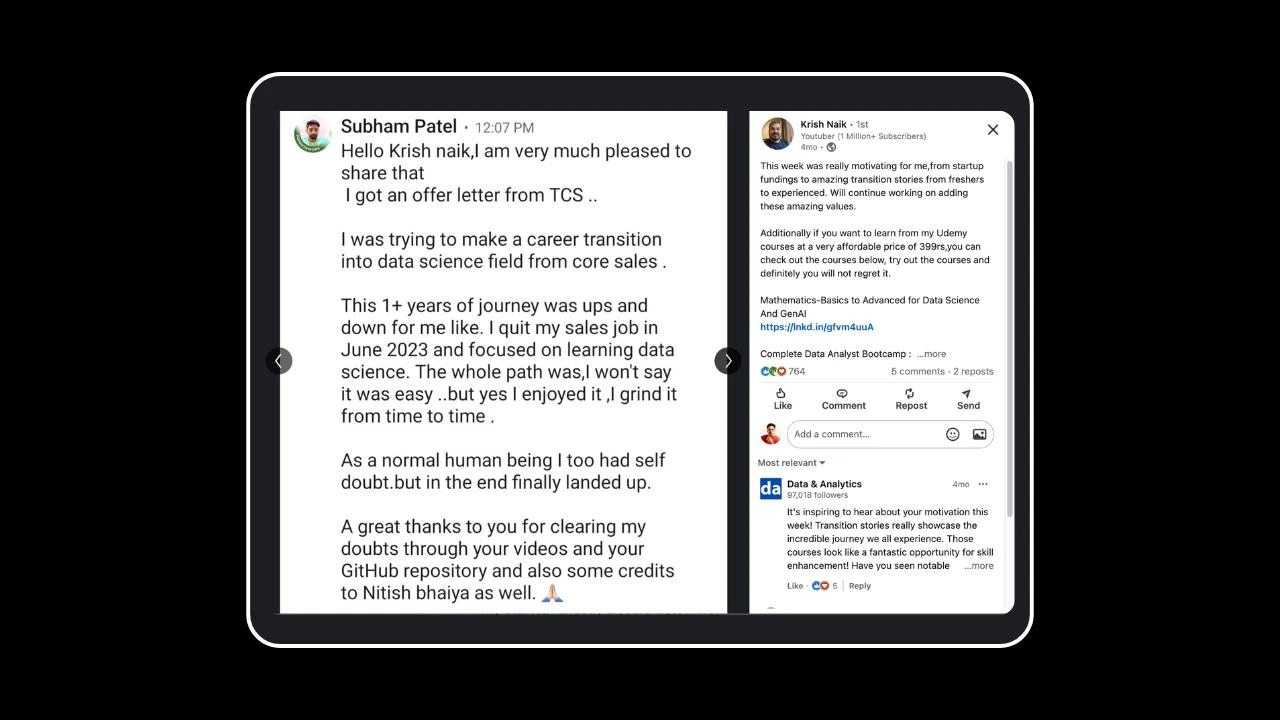
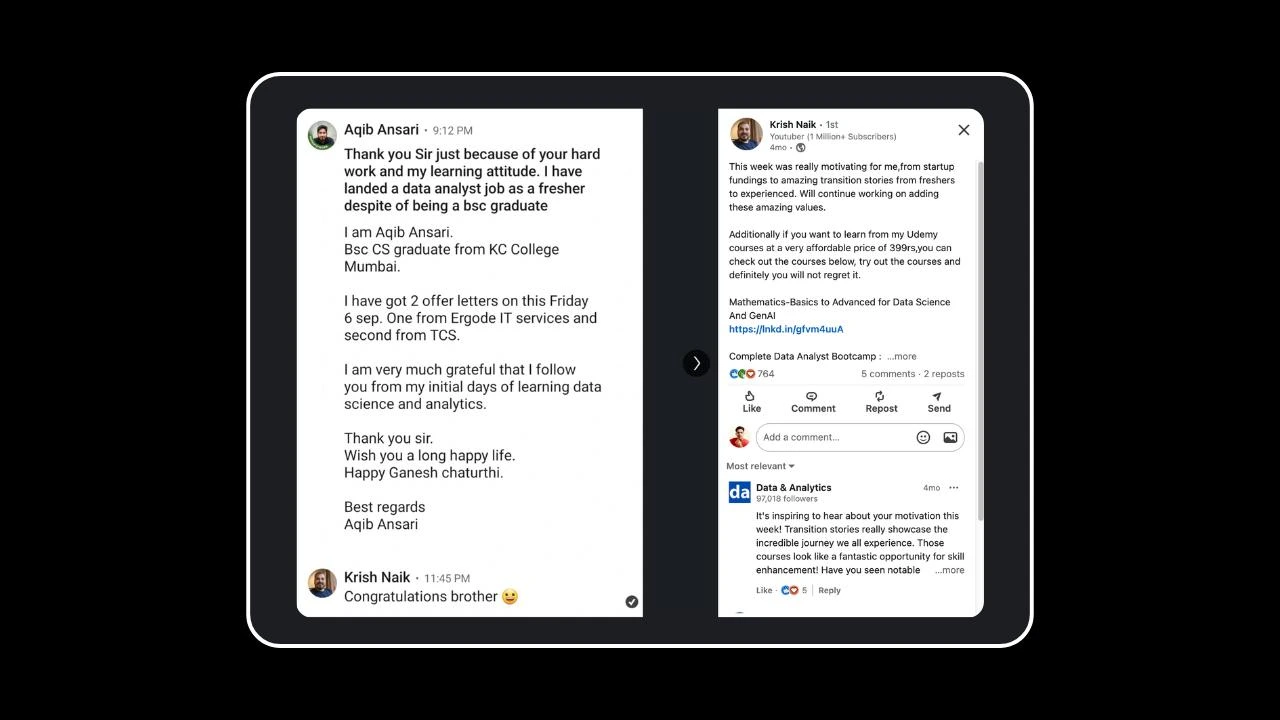
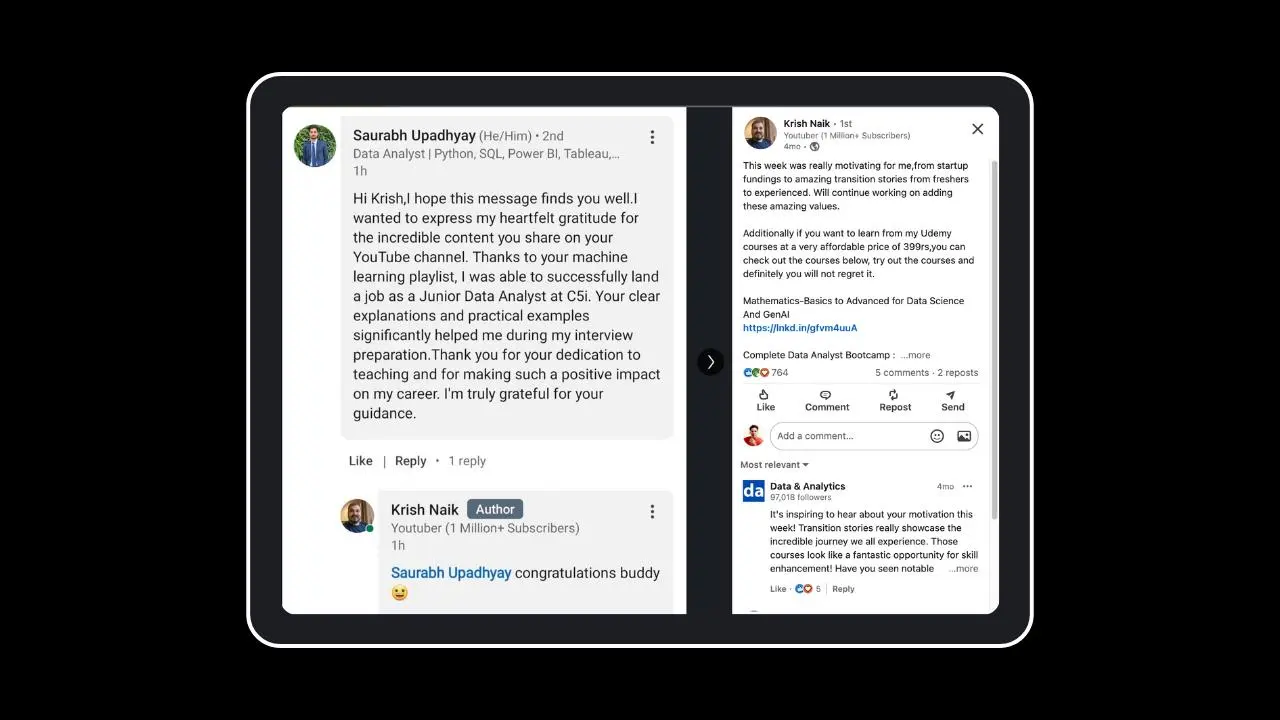
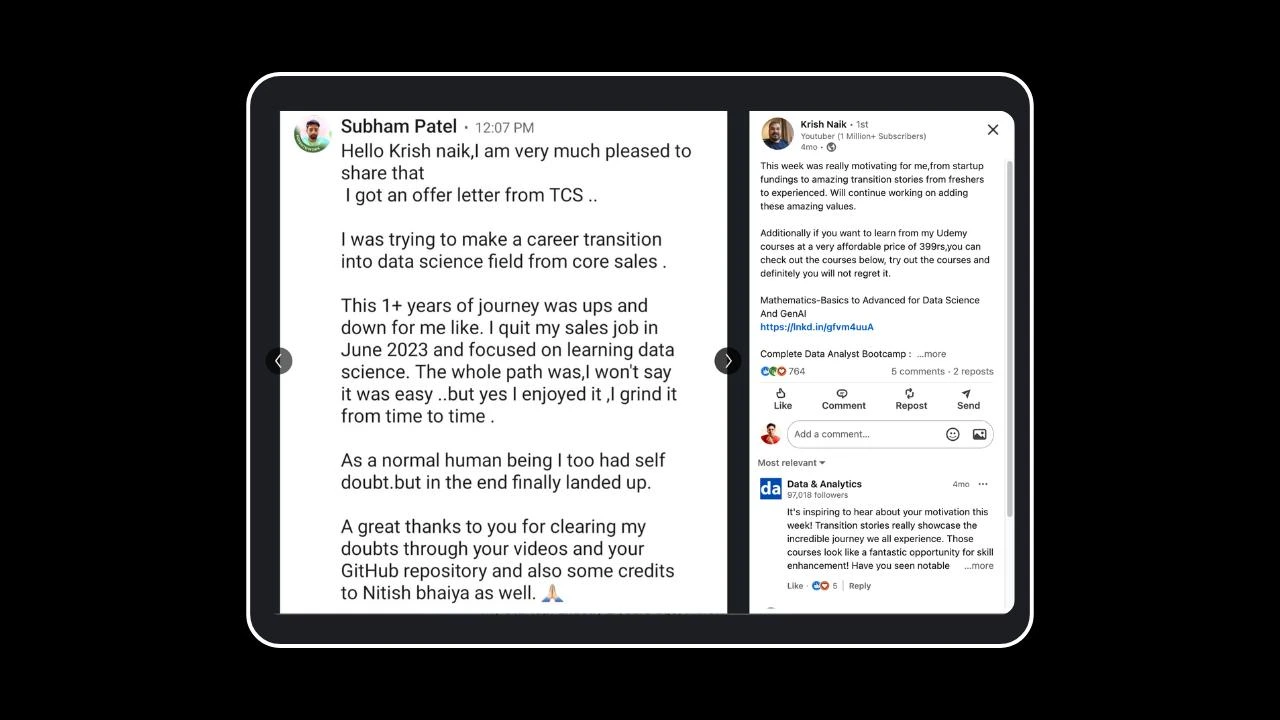
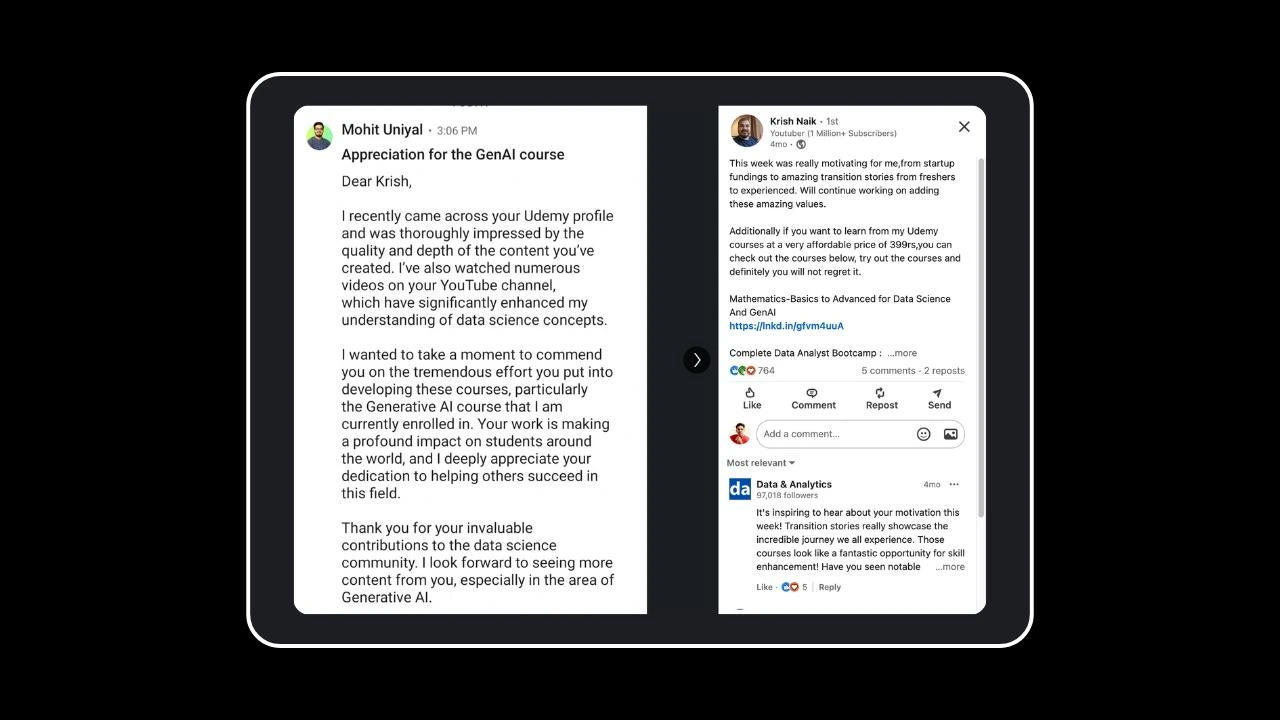
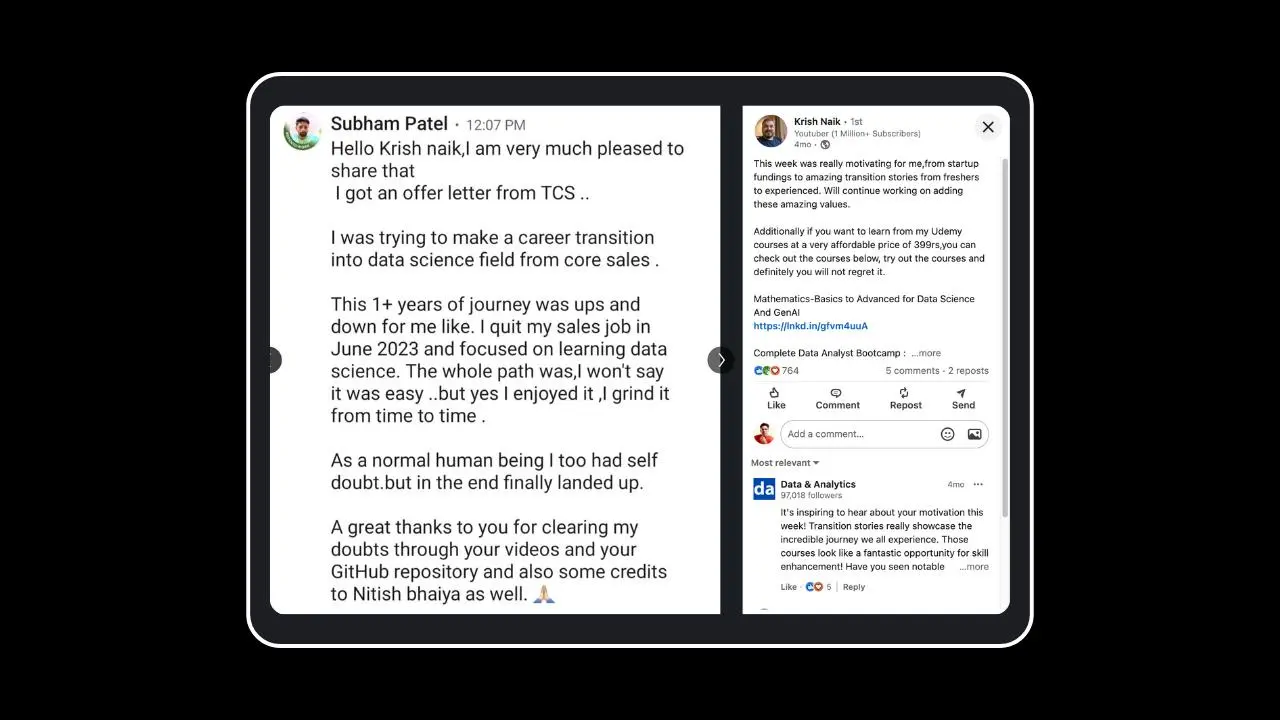
What Our Students Say
Frequently Asked Questions
Ready to transform your career?
Join thousands of students mastering AI and Data Science with expert-led courses.
Enroll in this course