91 Results
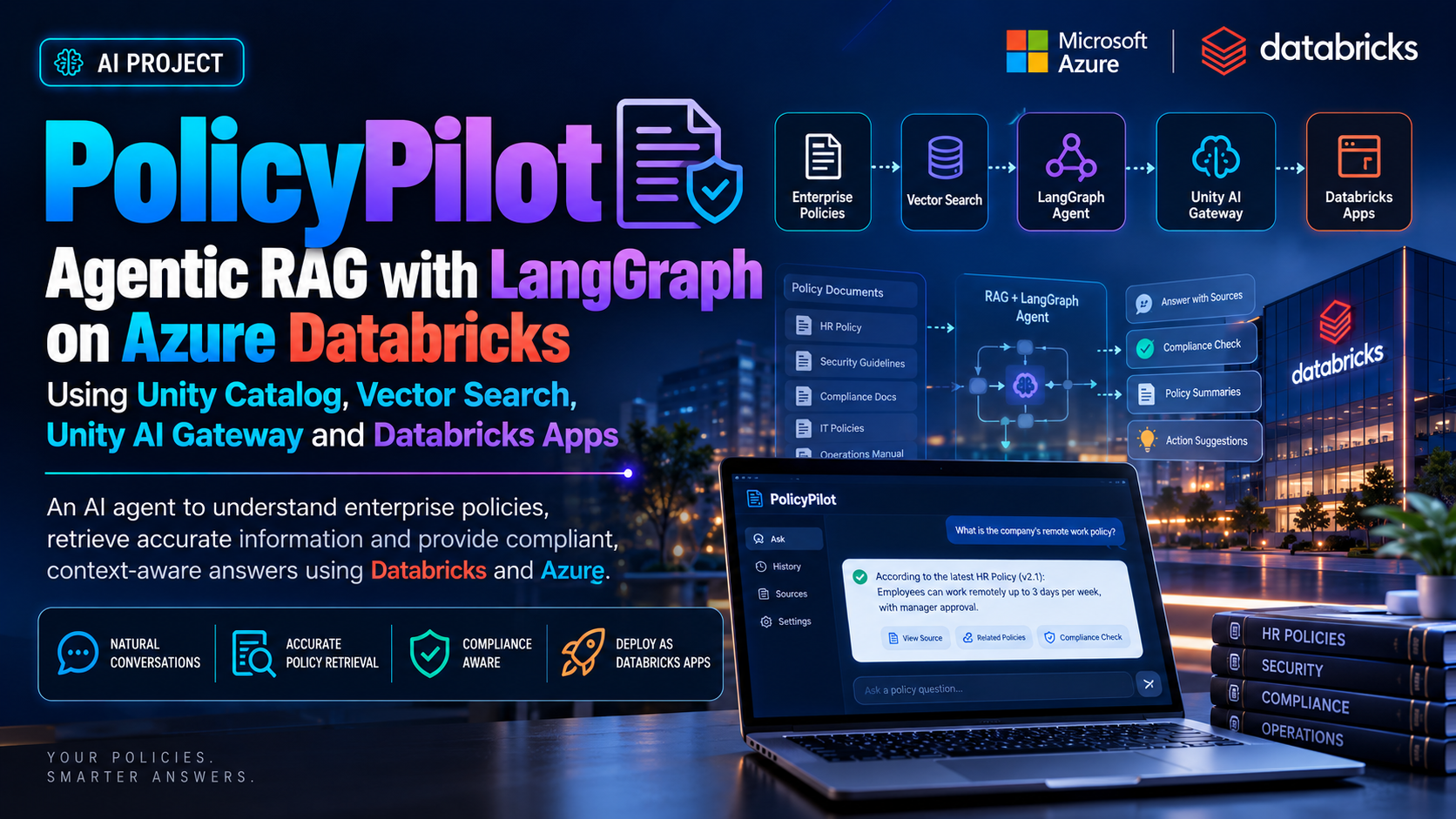
PolicyPilot : Agentic RAG with LangGraph on Azure Databricks using Unity Catalog, Vector Search, Unity AI Gateway and Databricks Apps
PolicyPilot is a governed, agentic Q&A copilot that turns dense regulatory filings into answers you can actually use. Ask it about any of 20 large companies — for example, “What supply chain risks does Apple disclose?” — and PolicyPilot searches the company’s latest SEC 10-K, builds an answer from the filing, and attaches a numbered citation to every claim. If the filing doesn’t support the answer, it doesn’t improvise. PolicyPilot refuses instead of guessing. Under the hood, it runs as a LangGraph agent on Azure Databricks. Unity Catalog governs the data, Vector Search handles retrieval, Unity Gateway sits in front of the LLM, and Databricks Apps serves the copilot to users. GitHub Actions handles deployment with no stored cloud credentials. The result is a regulatory Q&A system designed to be grounded, traceable, governed, and deployable in production.
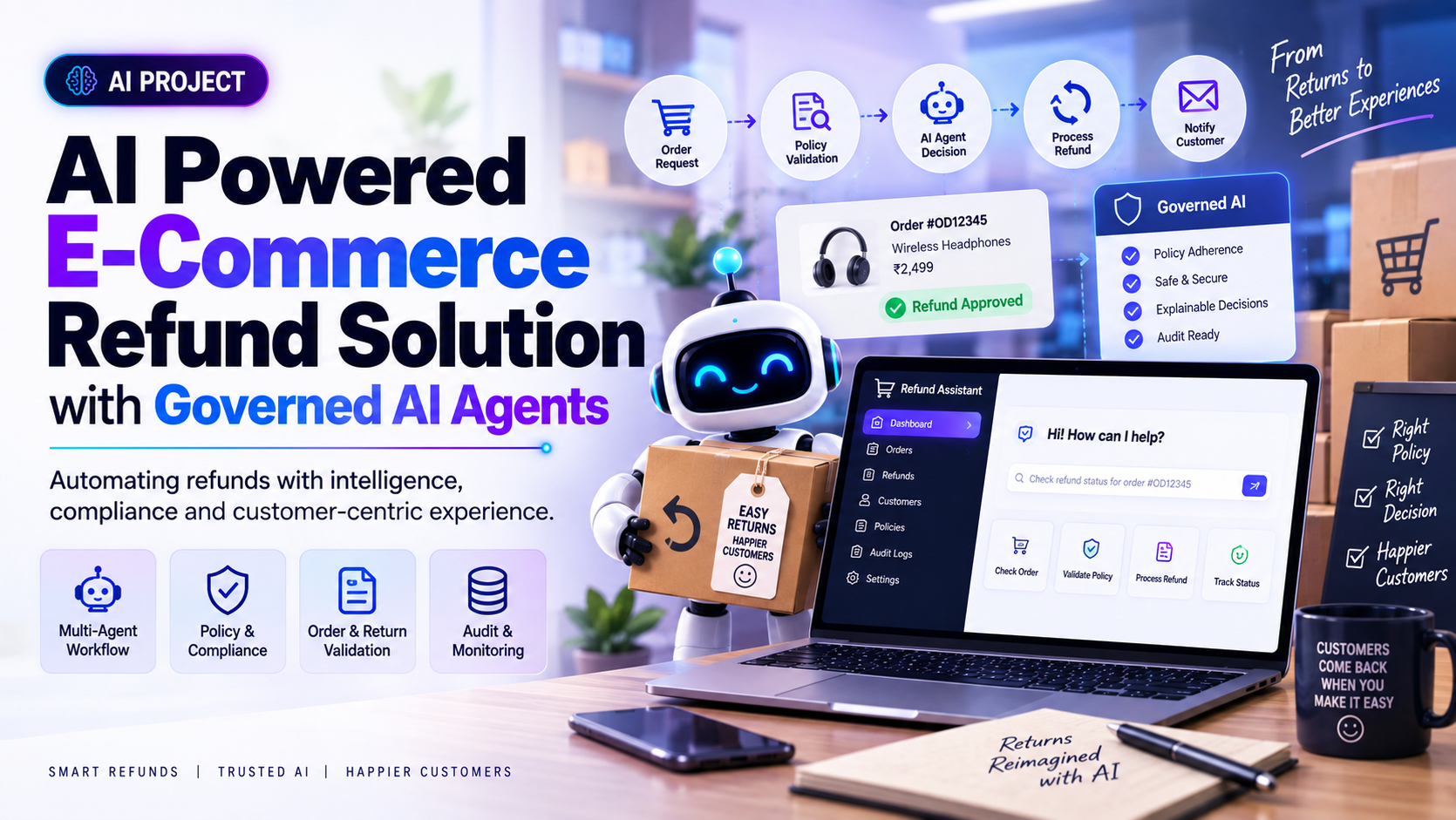
AI Powered Ecommerce Refund Solution with Governed AI Agents
A real e-commerce return/refund process, run by a governed multi-agent AI system. Most "AI agent" demos are a chatbot with a nice prompt. ReturnGuard is the opposite: one company, one real operational process — reviewing every return/refund request — handed to a system of AI agents that is watched, bounded, and reversible. The agents auto-clear the obviously-legitimate returns and route anything risky, unclear, or expensive to a human, through a real fraud-review dashboard. Every decision is traceable to the exact model, prompt version, policy version, inputs, tokens, and cost that produced it. It's a portfolio project for Forward Deployed Engineer work — the emphasis is on the parts that are hard in the field: governed autonomy, full observability, per-agent identity, scenario-driven validation, a business case, and a clean handoff — not on "an agent that answers".
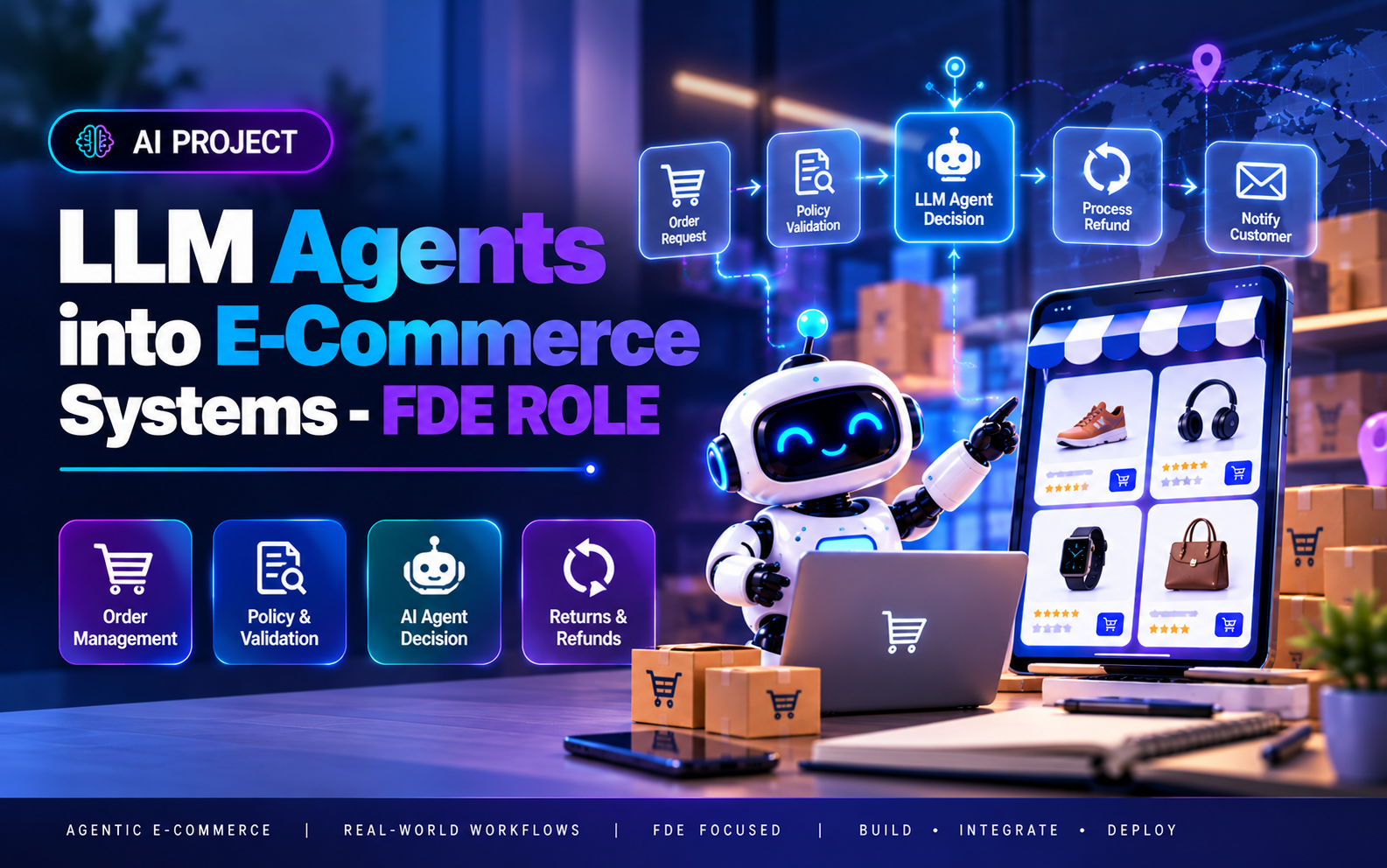
LLM Agents into E-Commerce Systems - FDE ROLE
Modernize an existing e-commerce monolith by building and integrating an AI-powered conversational shopping assistant using Pydantic AI and Groq. Take an enterprise codebase through discovery, standalone proof-of-concept development with safety guardrails, and full production integration. Deploy the unified FastAPI application on Google Cloud Run with comprehensive evaluations, Logfire observability, and automated CI/CD pipelines.
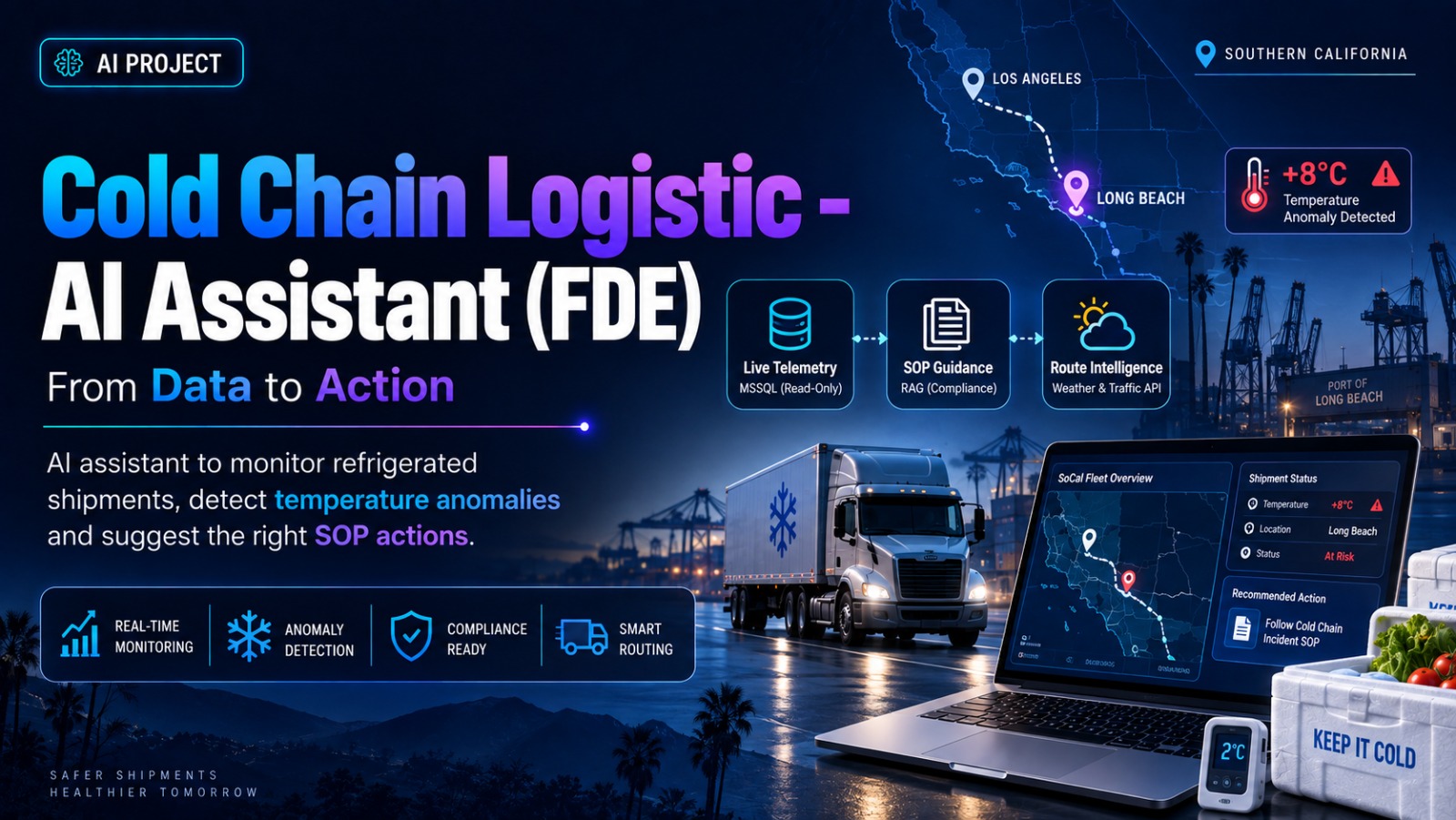
Cold Chain Logistics - AI Assistant
This project transforms a legacy cold-chain logistics database into an autonomous AI dispatch console powered by a LangGraph ReAct agent. By integrating spatial SQL telemetry, live weather APIs, and Vector RAG compliance rulebooks, the system proactively anticipates and resolves cargo spoilage risks before they occur. Built for enterprise reliability, it features an invisible, immutable SQL audit trail and is fully deployed to a live AWS EC2 environment using automated CI/CD pipelines.
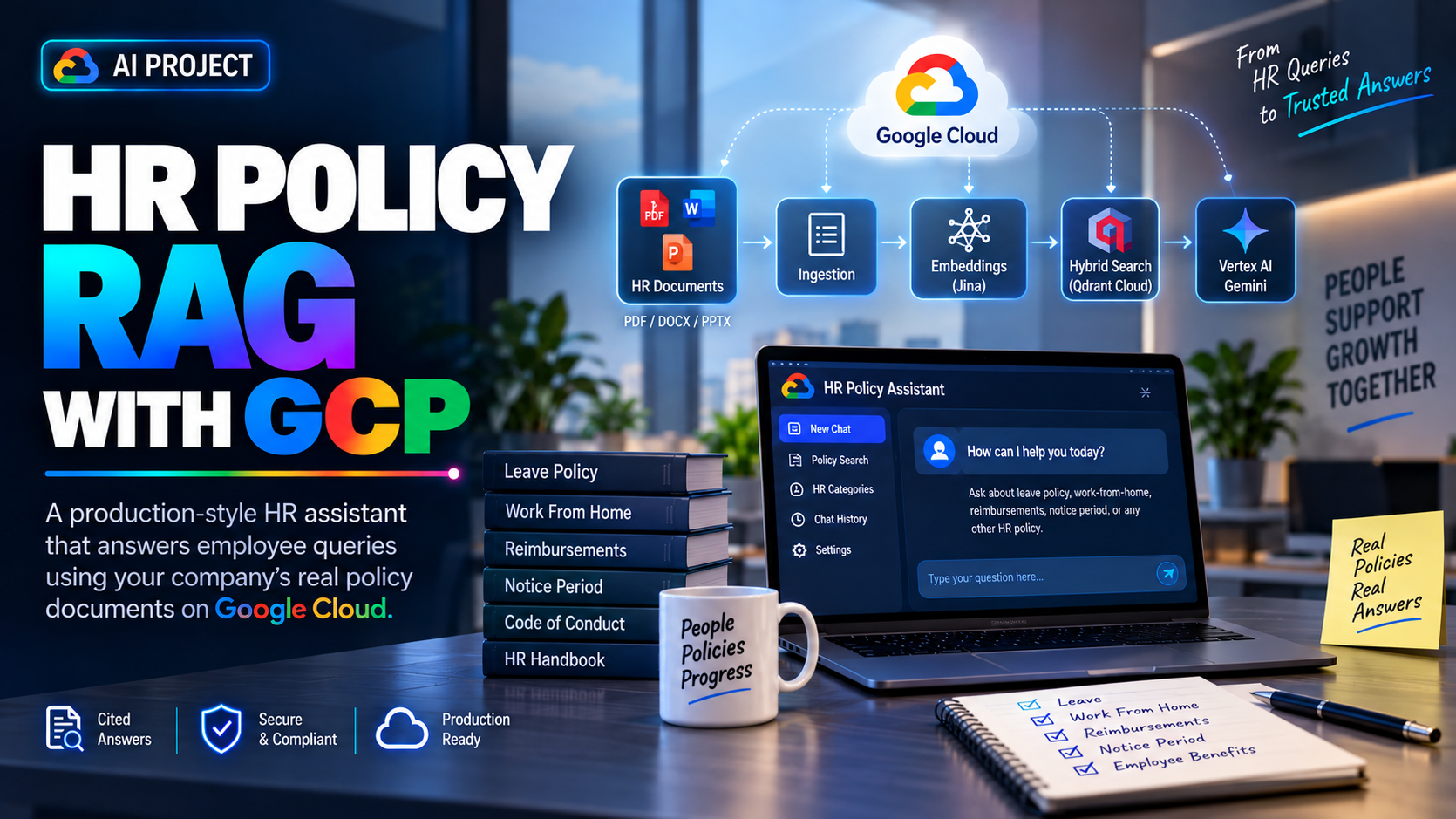
HR Policy RAG with GCP
Build and deploy an enterprise-grade HR Policy Assistant that delivers accurate, source-cited answers to employee queries across real company policy documents. The project integrates hybrid semantic and keyword retrieval with reranking, bulletproof AI security guardrails, fallback routing, and serverless deployment on Google Cloud Platform.
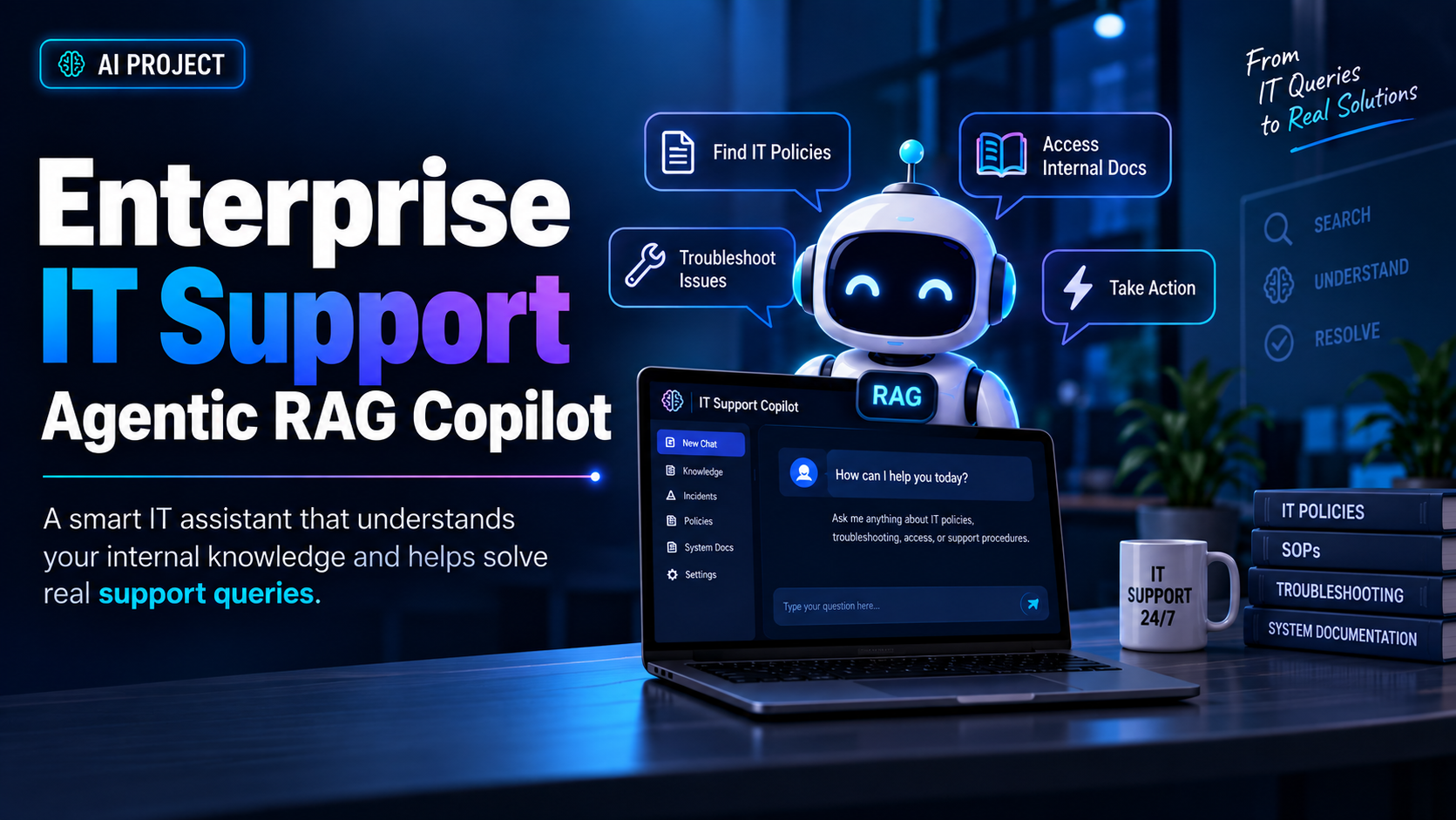
Enterprise IT Support Agentic RAG Copilot
Enterprise IT Support Agentic RAG Copilot is an AI-powered IT support assistant designed to help employees quickly resolve technical issues. It uses Agentic RAG with LangGraph to intelligently decide how to answer each query: User Question → AI Agent → Company Knowledge Base (Pinecone) → Web Search if needed → Generate Answer The project combines FastAPI, LangGraph, Pinecone, Groq/OpenAI, and Tavily, with a web interface for users. It can handle common IT questions, retrieve company-specific information, and use external search when the internal knowledge base isn't enough. For production, the application is containerized with Docker and deployed on DigitalOcean Cloud.
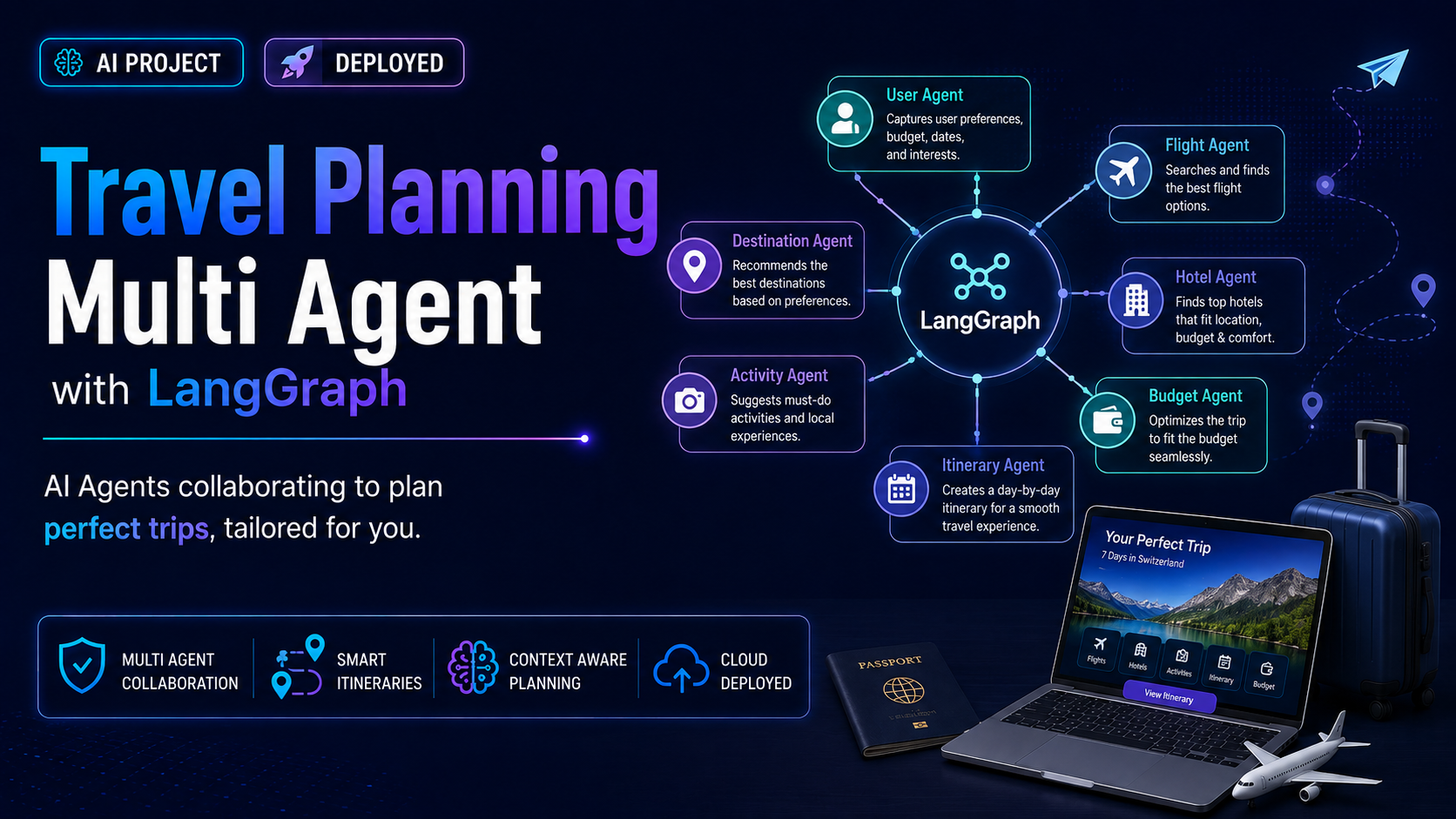
Travel Planning Multi Agent with LangGraph
Built a **Travel Planning Multi-Agent System using LangGraph** that intelligently coordinates multiple AI agents to create personalized travel plans. The system handles destination research, itinerary generation, recommendations, and planning through an agentic workflow.
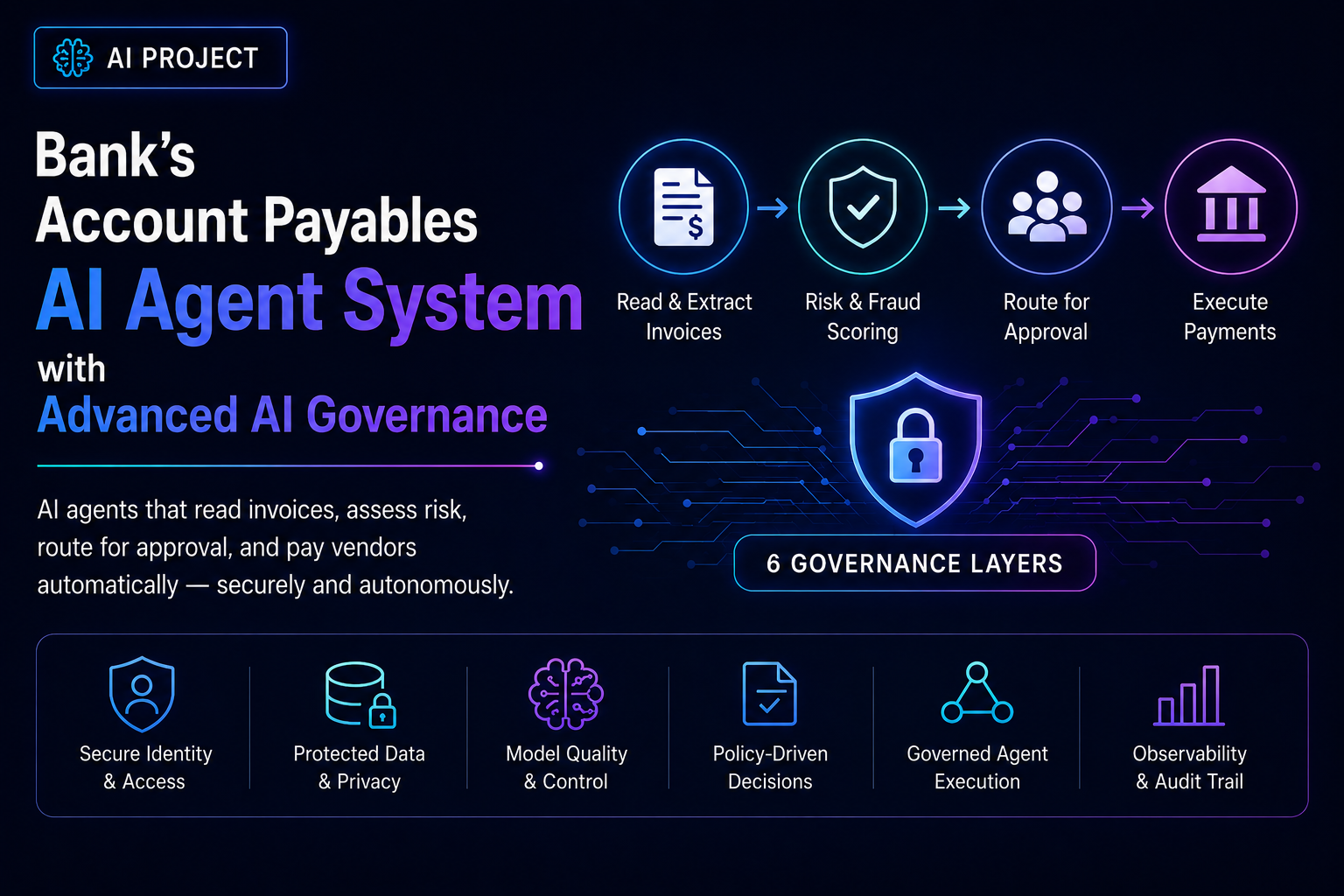
Bank's Account Payables AI Agent System with Advanced AI Governance
Custodian is a governed multi-agent finance-ops platform: AI agents read invoices, score them for fraud/risk, route approvals, and auto-pay the safe ones. Six real governance layers wrap the agent runtime — Identity, Data, Model, Policy, Agent Runtime, and Operations — so every agent action is auditable and provable after the fact. It's a full Docker stack (Keycloak, SPIRE, Infisical, OpenMetadata, Presidio, LiteLLM, MLflow, Langfuse, Prometheus/Grafana) calling real LLMs (OpenAI + Groq via LiteLLM), not a mocked demo
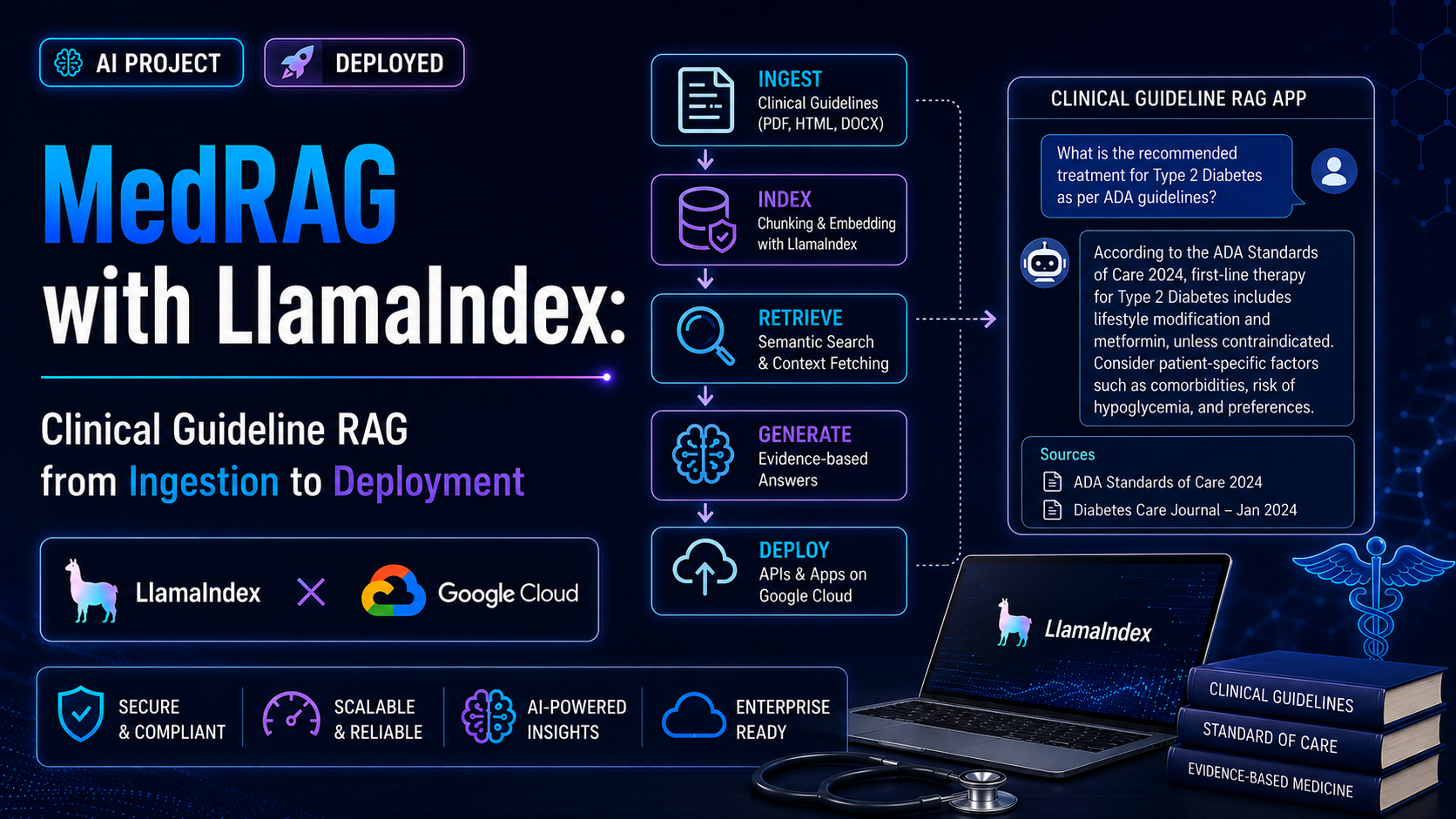
MedRAG with LlamaIndex: Clinical Guideline RAG from Ingestion to Deployment
Build a production-ready clinical-guideline question-answering system with LlamaIndex powering document ingestion, indexing, retrieval, and grounded generation. Students will use LlamaParse and PubMedReader to create LlamaIndex documents, then chunk and embed them into a Qdrant-backed VectorStoreIndex queried through an OpenAI-powered LlamaIndex query engine. The project completes the system with evaluations, FastAPI and Streamlit interfaces, Docker CI/CD deployment, and API-boundary input and output guardrails.
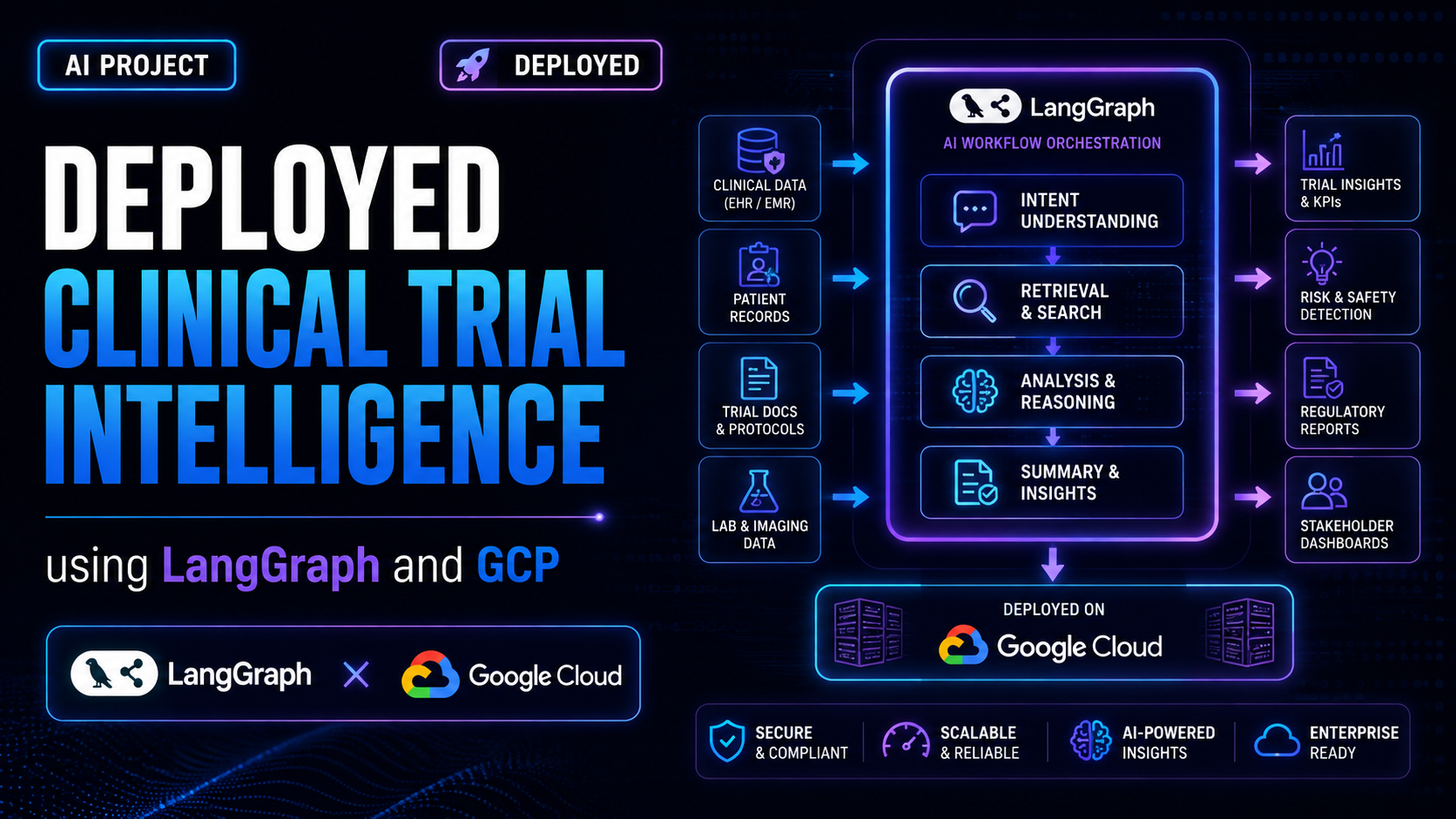
Deployed Clinical Trial Intelligence using GCP and LangGraph
MOSAIC is a production multi-agent clinical trial intelligence system built on GCP. It ingests real records from ClinicalTrials.gov and PubMed into Cloud SQL PostgreSQL with pgvector, then uses LangGraph to run six specialist agents in parallel under a supervisor — Broken Promises, Missing Results, Track Record, Pattern Finder, Side Effect Checker, Timeline Analyst — each hunting a different research-integrity problem. Findings go into a three-layer memory system (episodic, procedural, semantic), and low-confidence signals hit a human-in-the-loop gate whose corrections write back into procedural memory, so agents improve on the next run. The whole thing is served through a nine-endpoint FastAPI app, containerised, and deployed on Cloud Run, with Cloud Storage, Artifact Registry, Secret Manager, IAM service accounts and gcloud-driven provisioning behind it. It solves a genuine problem — ~30% of completed trials never publish results, and no human can read 400,000 records at once — and it produced real signals from live government data before the project was torn down to zero billing.
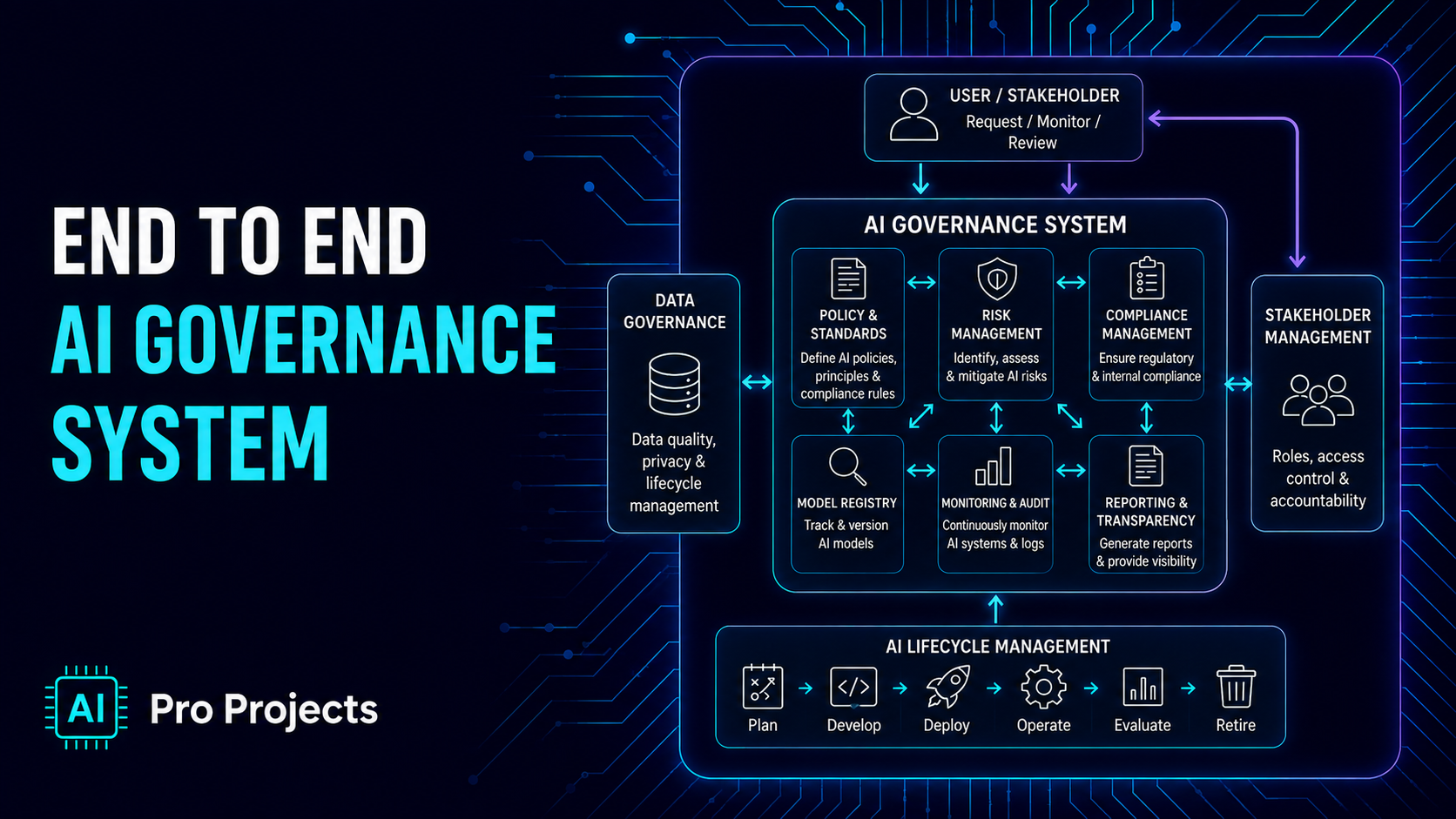
Complete End to End AI Governance Project
A complete end to end AI Governance System using all Open-source alternatives and making a Multi Ai Agent Chatbot with all governance layers like Identity Governance for Humans and AI Agents, Data Governance, Model Governance, Policy Governance, Agent Runtime Governance and Operations Governance along with Compliance Governance also.
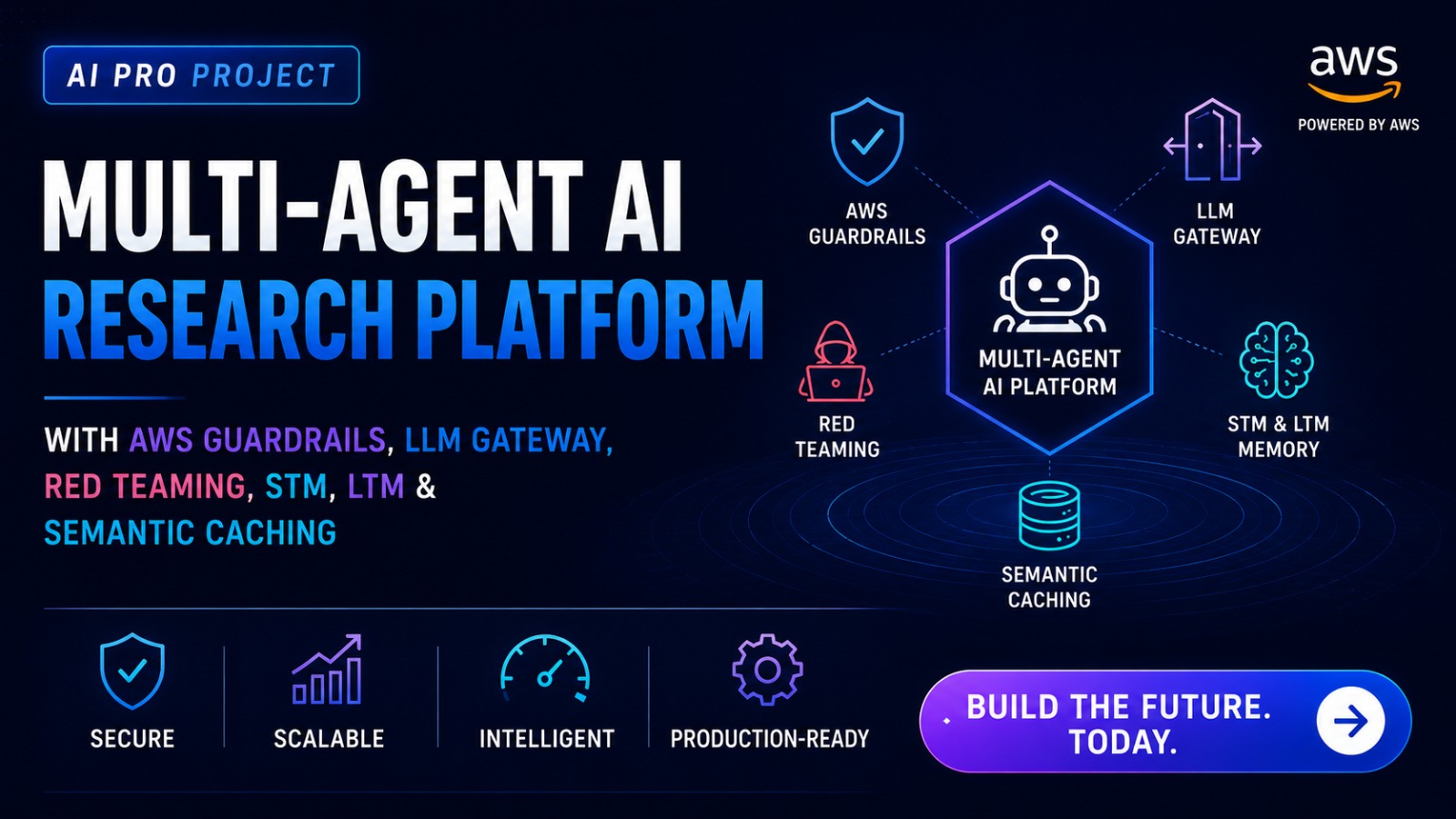
Multi-Agent AI Research Platform with AWS Guardrails, LLM Gateway, Red Teaming, STM, LTM & Semantic Caching
A production-grade autonomous research platform where a 4-agent LangGraph pipeline (Search → Summarize → Write → Verify) processes any topic end-to-end, with every request passing through AWS Bedrock Guardrails, a TensorZero LLM gateway with GPT-4o/Groq fallback, and a three-tier memory system — Redis session memory (STM), pgvector long-term memory (LTM), and semantic caching. Every report is automatically scored by an LLM-as-judge via LangSmith, while a PyRIT red team dashboard continuously stress-tests the system with jailbreak, XPIA, crescendo, and skeleton key attacks to prove the guardrails hold under real adversarial pressure. Full infrastructure on AWS, provisioned with Terraform, deployed via GitHub Actions CI/CD.
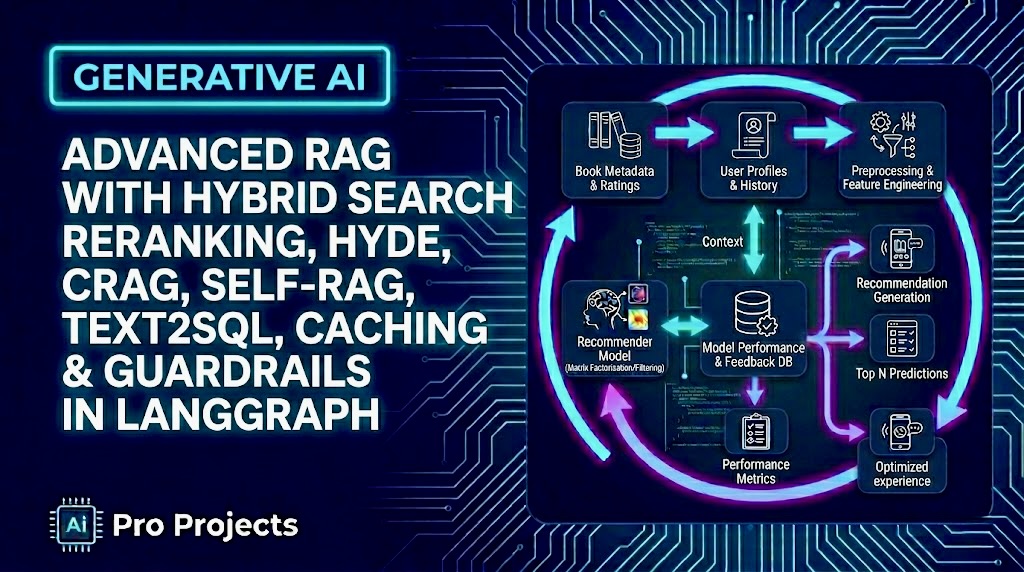
Enterprise Advanced RAG with Hybrid Search, ReRanking, HyDE, CRAG, Self-RAG, Text2SQL, Caching and Guardrails in LangGraph
Build a production-grade Enterprise RAG system for Kubernetes IT operations using LangGraph, FastAPI, Qdrant, PostgreSQL, Redis caching, and advanced retrieval patterns. Learners start from baseline RAG, then add hybrid search, reranking, HyDE, CRAG, Self-RAG, Text2SQL with human approval, evaluation, and a 9-layer guardrails pipeline.
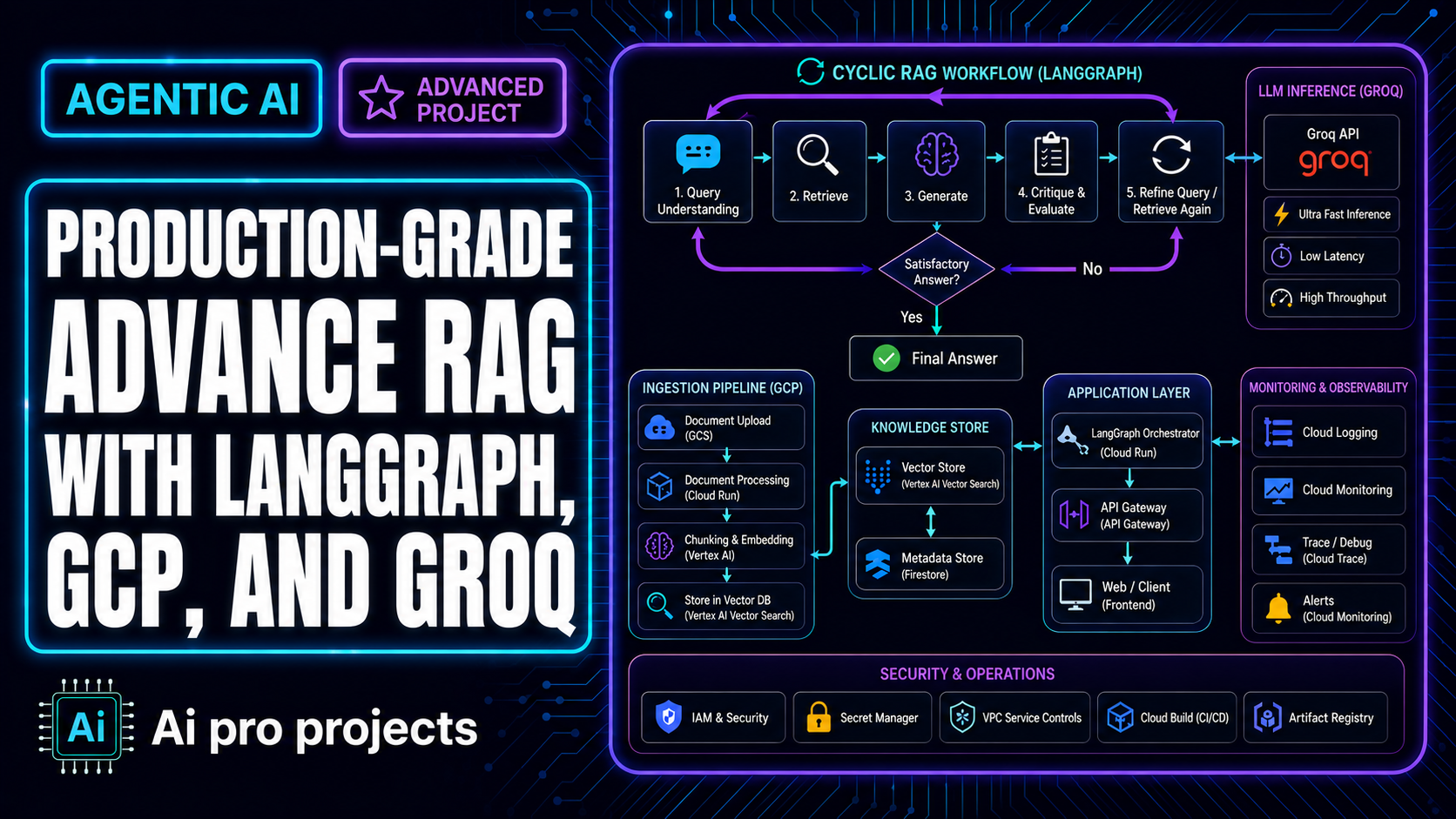
Production grade advance RAG with LangGraph Guardrails LLM Gateway Evals GCP
Develop a production-grade, Enterprise level , Scalable Retrieval-Augmented Generation (RAG) system leveraging LangGraph, Google Cloud Platform (GCP) . This system intelligently distinguishes between technical 'True Data' and random 'Noisy Data' through semantic re-ranking and history-aware planning, ensuring accurate and contextually relevant responses. This system is designed to be highly reliable and robust and secured with the integration LLM Gateways , Guardrails and Evaluations. This project is all you need to master entire LLM ecosystem , all you need is excitement , patience and eagerness to learn .
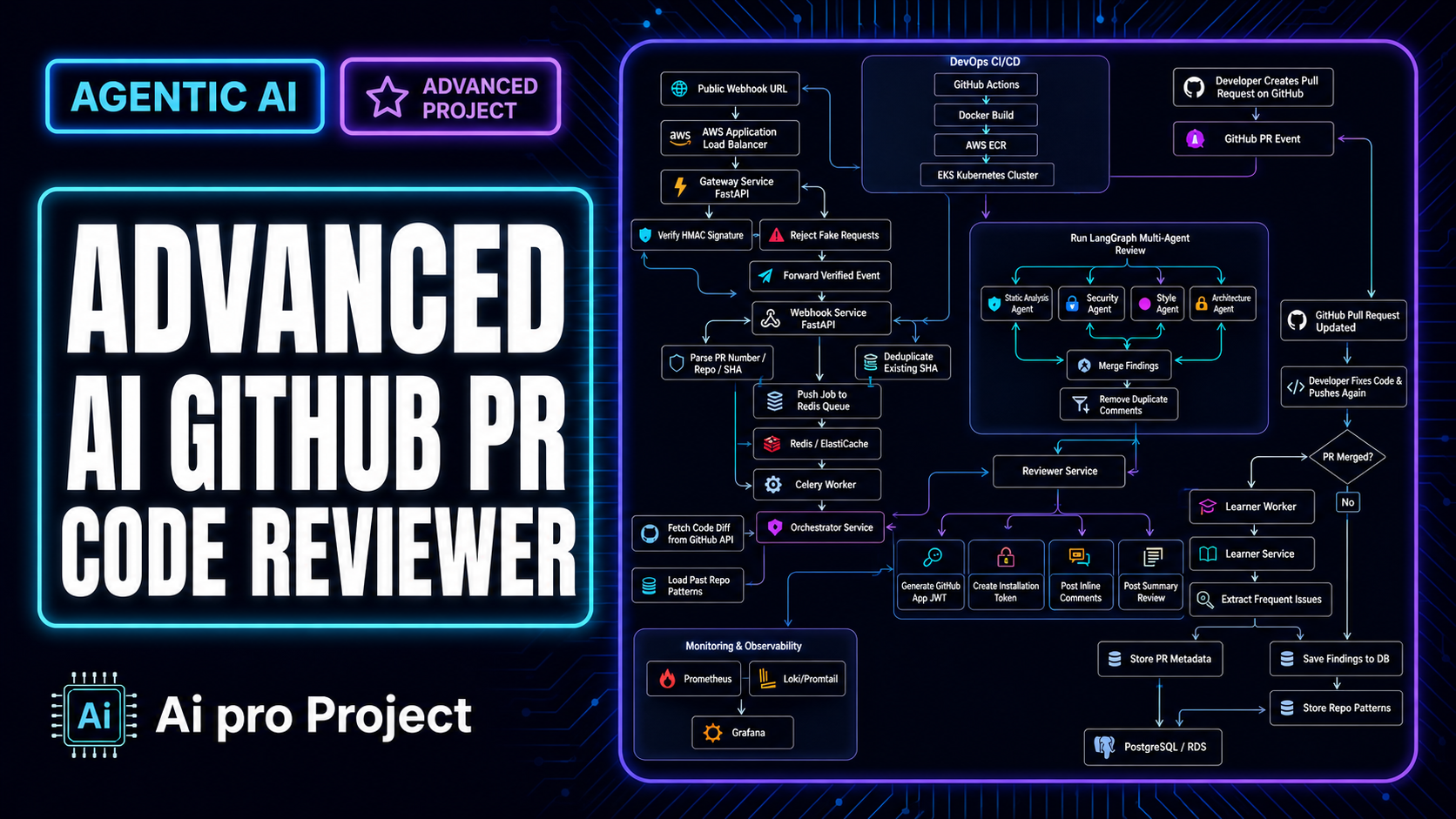
Advanced AI GitHub PR Code Reviewer
This project is an intelligent, event-driven GitHub Pull Request review system designed to automatically trigger on PR events using GitHub Webhooks. It processes code diffs through a multi-agent AI pipeline built with LangGraph and powered by OpenAI GPT-4o-mini. The system runs four parallel review agents—Static Analysis, Security (aligned with OWASP Top 10), Architecture, and Code Style—which collaboratively analyze the code and merge their findings into structured, actionable feedback. The backend architecture leverages FastAPI-based microservices, with Celery and Redis handling asynchronous task queuing, while PostgreSQL (using asyncpg and SQLAlchemy) manages data persistence. Additionally, a self-improving Learner service continuously refines style patterns based on merged pull requests, enabling personalized and evolving code reviews over time. For observability, the system integrates Prometheus and Grafana for metrics monitoring, along with Langfuse for detailed LLM tracing and performance insights.
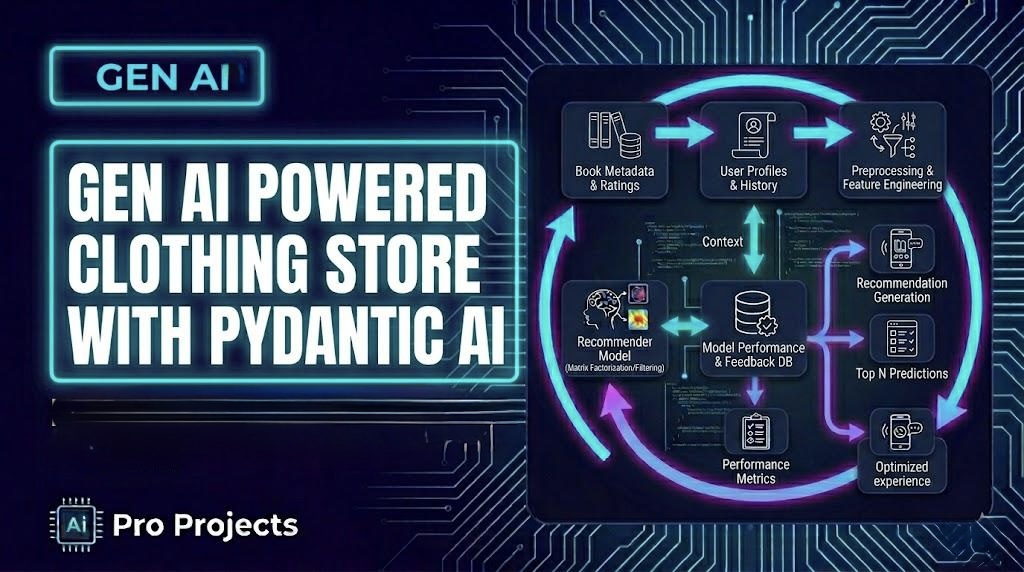
Gen AI Powered Clothing Store with Pydantic AI
Develop a Gen AI-powered clothing store that leverages Pydantic AI for intelligent product retrieval and customer interaction. This project involves building an AI agent for personalized shopping experiences . The application features a chatbot interface, product catalog management, and order processing, deployed using CI/CD on AWS.
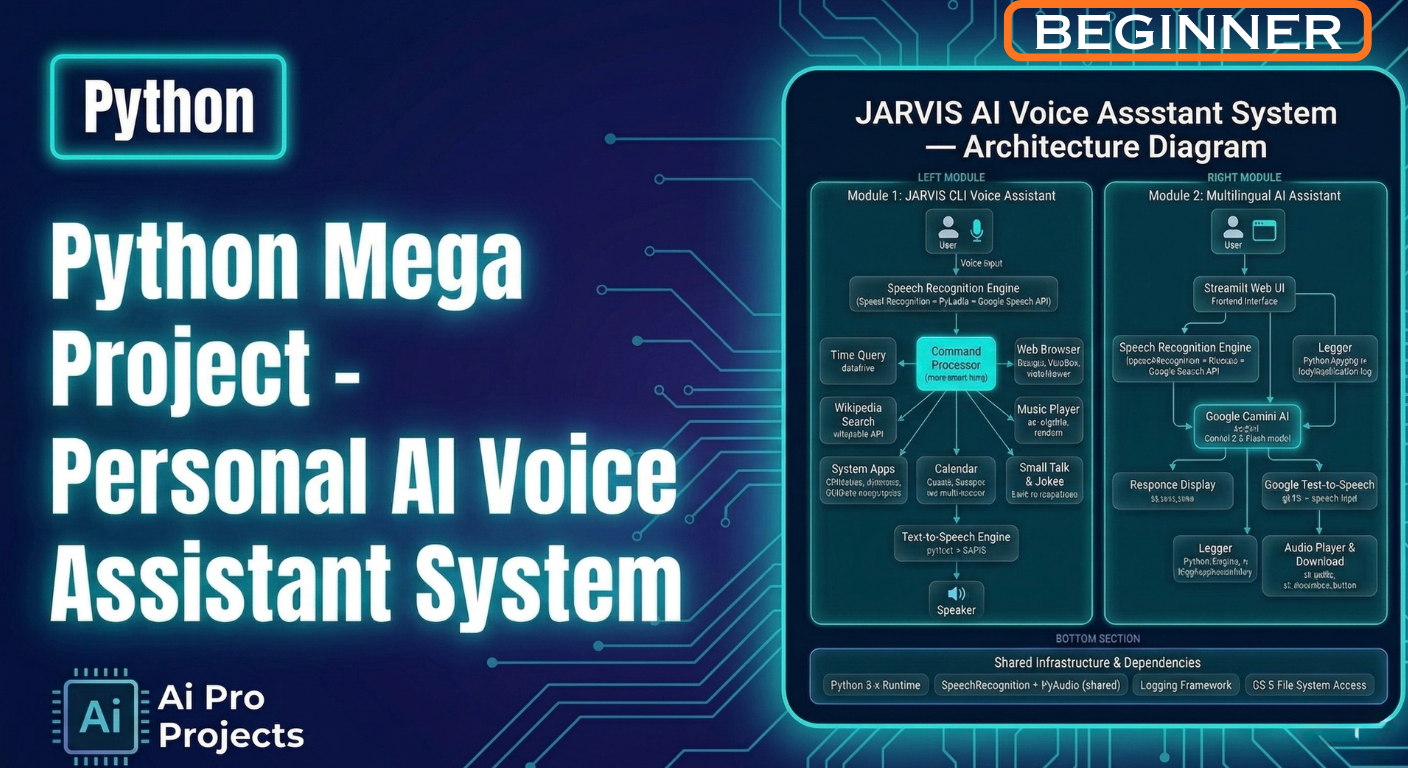
Python Mega Project - Personal AI Voice Assistant System
This is a Voice Assistant System, an intelligent, voice-controlled personal assistant inspired by the iconic JARVIS from Iron Man. The project consists of two independent modules that demonstrate different approaches to building AI-powered voice assistants: 1. JARVIS CLI Voice Assistant — A command-line voice assistant that listens to spoken commands and performs tasks like opening applications, playing music, searching Wikipedia, and more. 2. Multilingual AI Assistant — A web-based assistant powered by Google Gemini AI with a Streamlit frontend, capable of understanding natural language queries and responding with AI-generated answers in both text and audio.
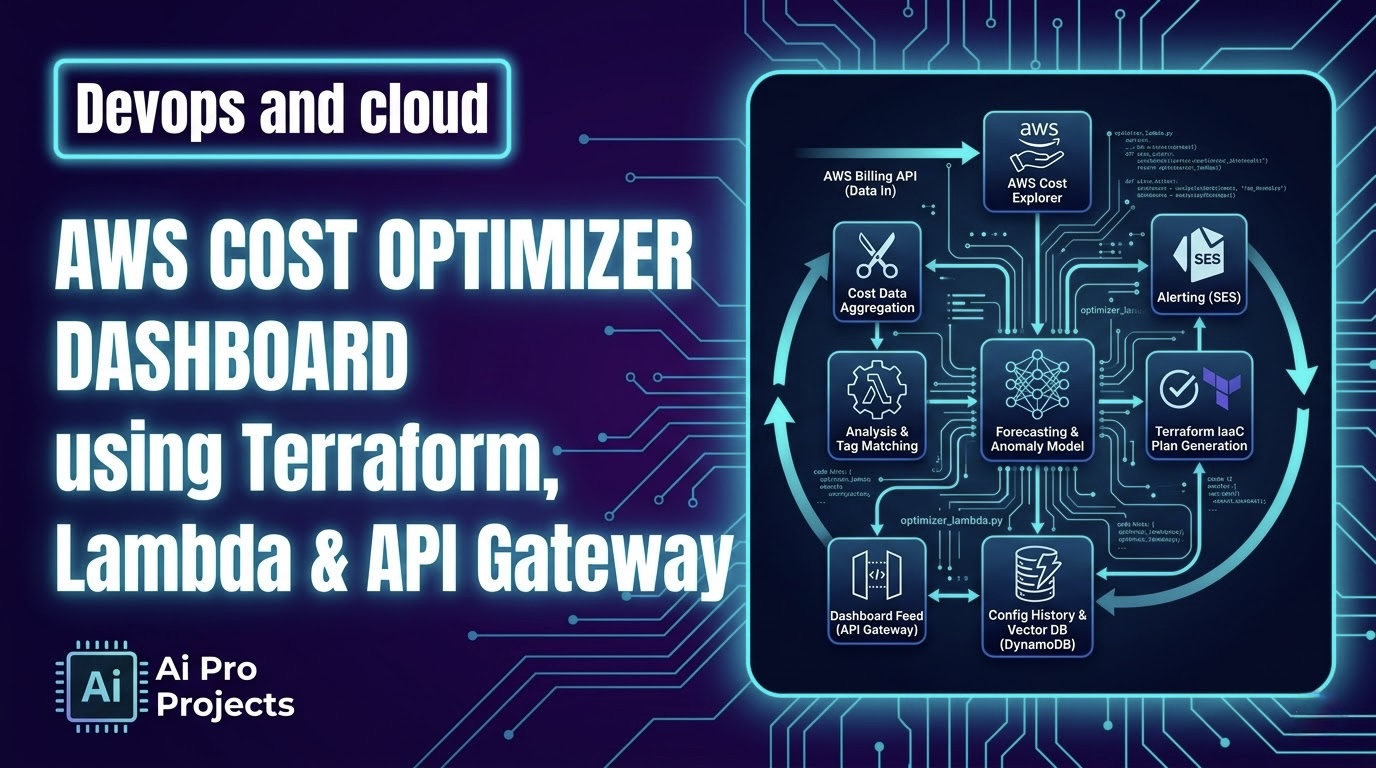
AWS Cost Optimizer Dashboard using Terraform, Lambda & API Gateway
AWS Cost Optimizer Dashboard is a production-grade application that helps users visualize and optimize AWS costs by fetching billing data and resource inventory via boto3. It features an AI-powered advisor (LangChain + OpenAI GPT-4o) for intelligent cost reduction recommendations and includes infrastructure automation via Terraform for Lambda deployment.
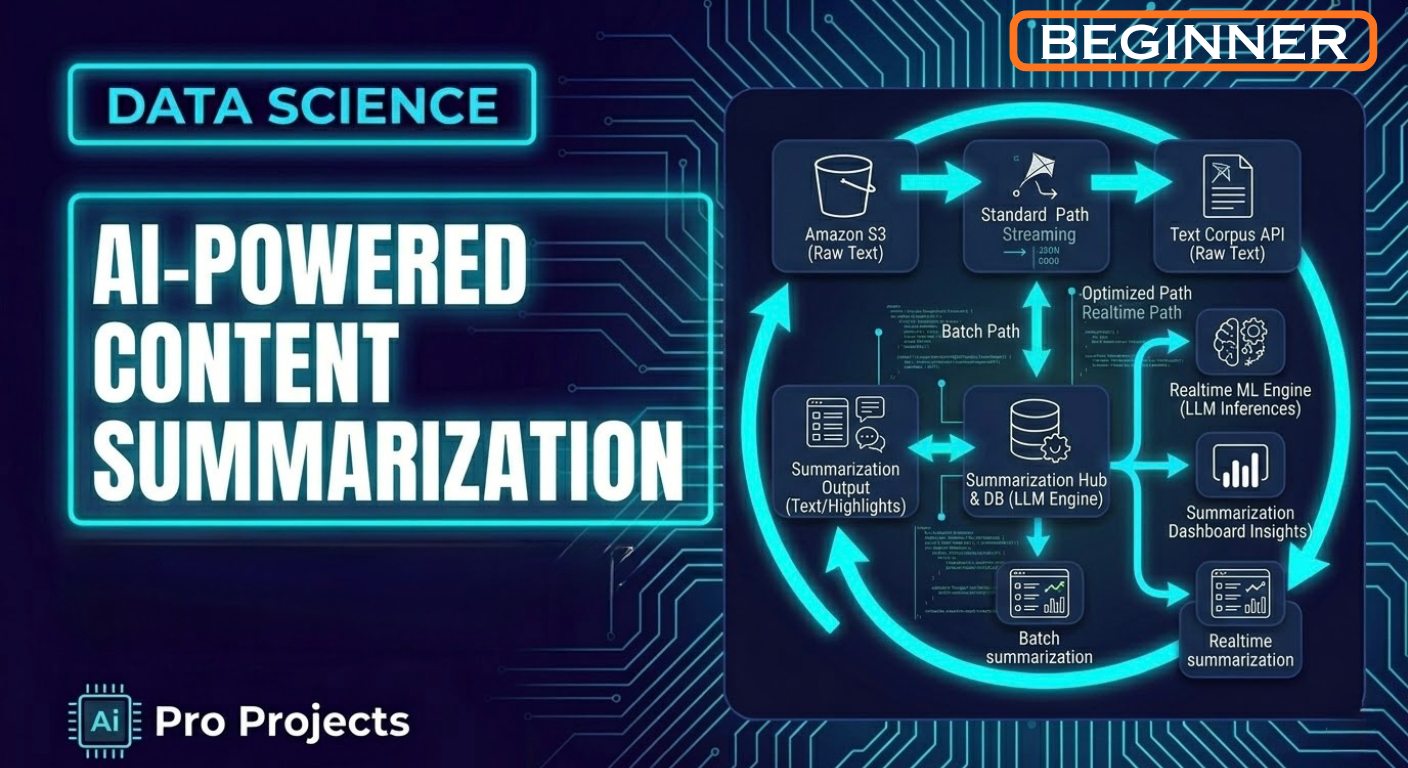
AI-Powered Content Summarization
This project leverages Natural Language Processing (NLP) techniques to automatically summarize extensive content. By effectively condensing information, it significantly enhances readability and comprehension, ultimately saving users' time and improving information accessibility.
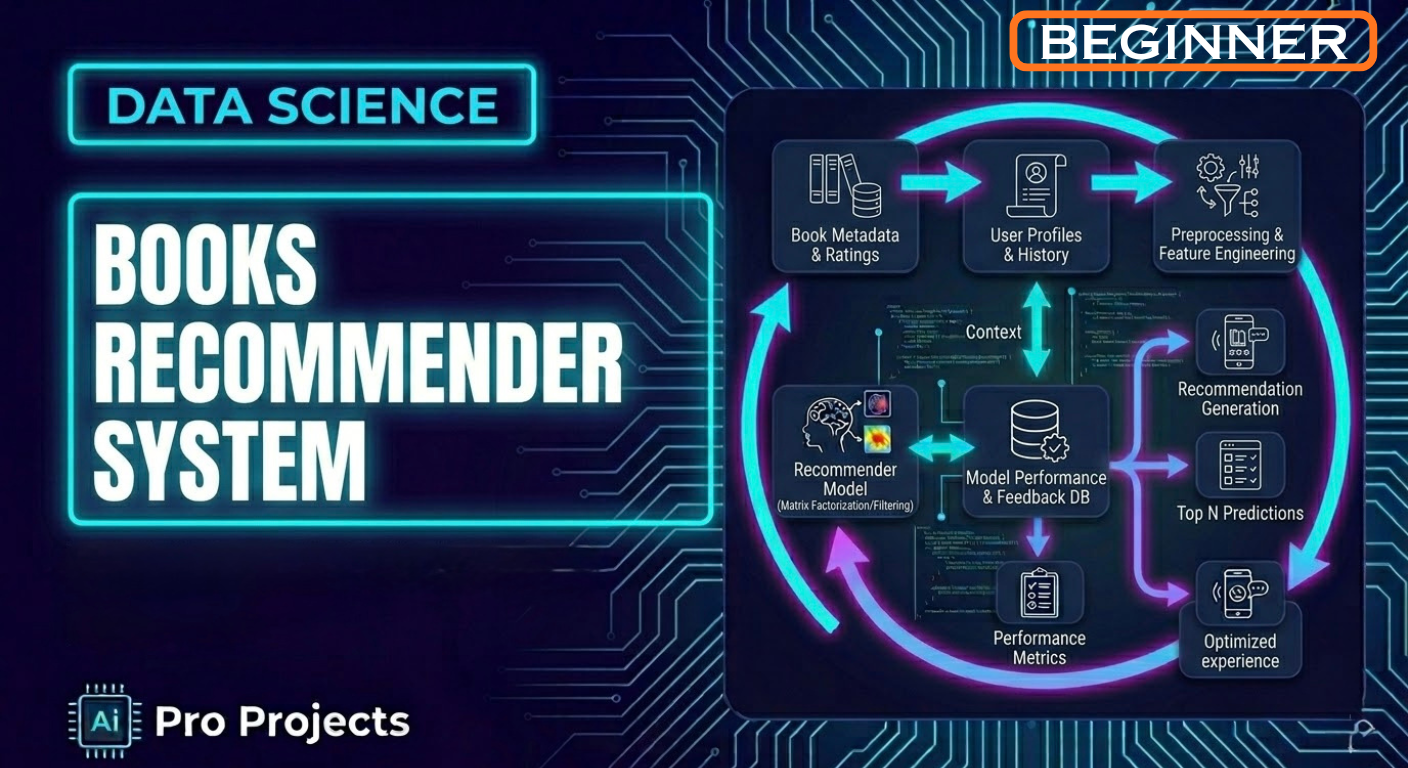
Books Recommender System
This project focuses on developing a book recommendation system that utilizes machine learning techniques. The primary goal is to provide personalized book suggestions to users, thereby enhancing their reading experiences and encouraging exploration of diverse literature.
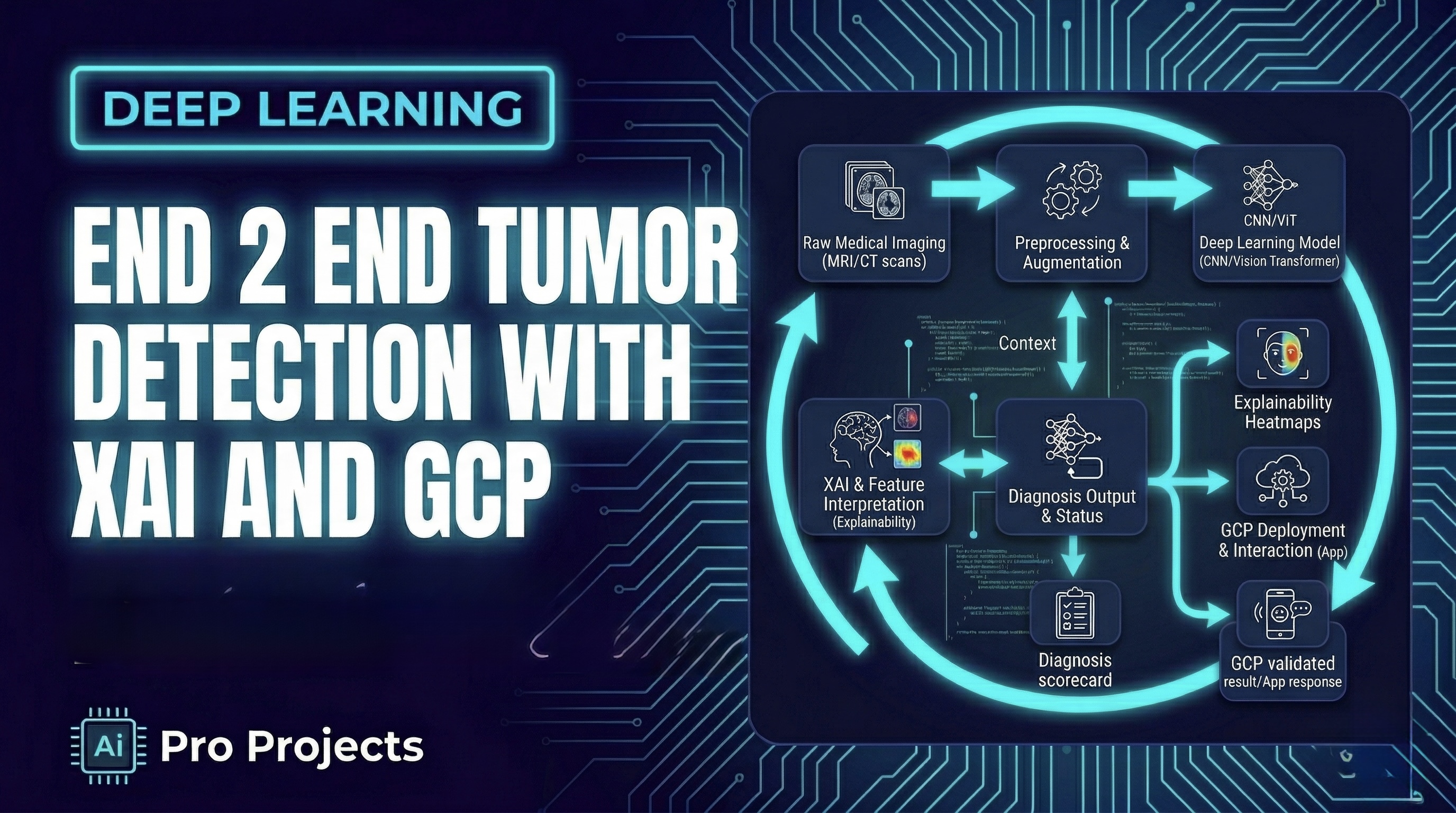
END 2 END Tumor Detection with XAI and GCP
OncoScan AI is a full-stack medical imaging application for detecting tumors in MRI (Brain) and Breast Scan images. It leverages Explainable AI (XAI) with GradCAM to provide heatmaps highlighting regions influencing AI's predictions, crucial for medical professionals, and features a production-grade MLOps pipeline.
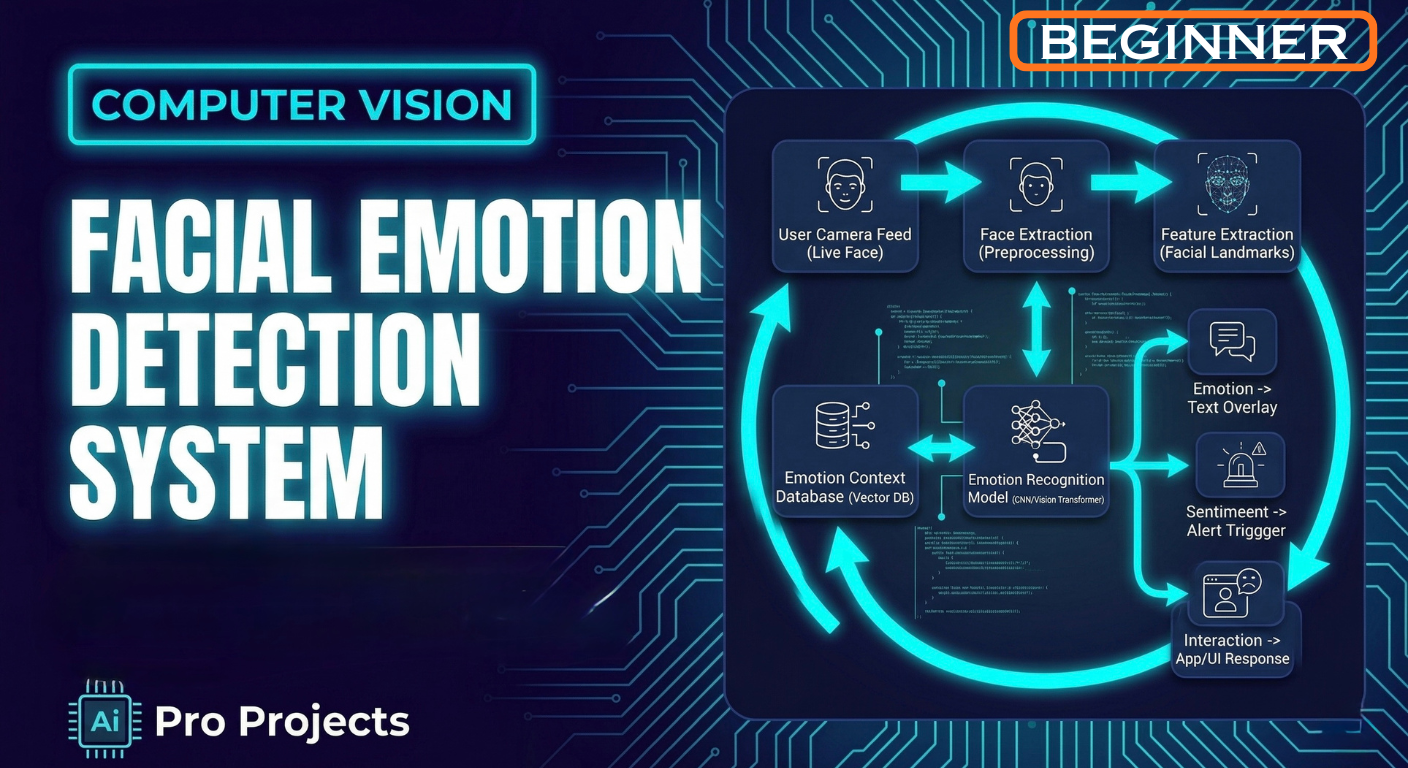
Facial Emotion Detection System
This project focuses on detecting various emotions including neutral, angry, disgust, fear, happy, sad, and surprise, through the use of computer vision technologies. By analyzing facial expressions, it aims to provide valuable insights applicable in diverse real-world scenarios, enhancing understanding in fields such as psychology, security, and human-computer interaction.
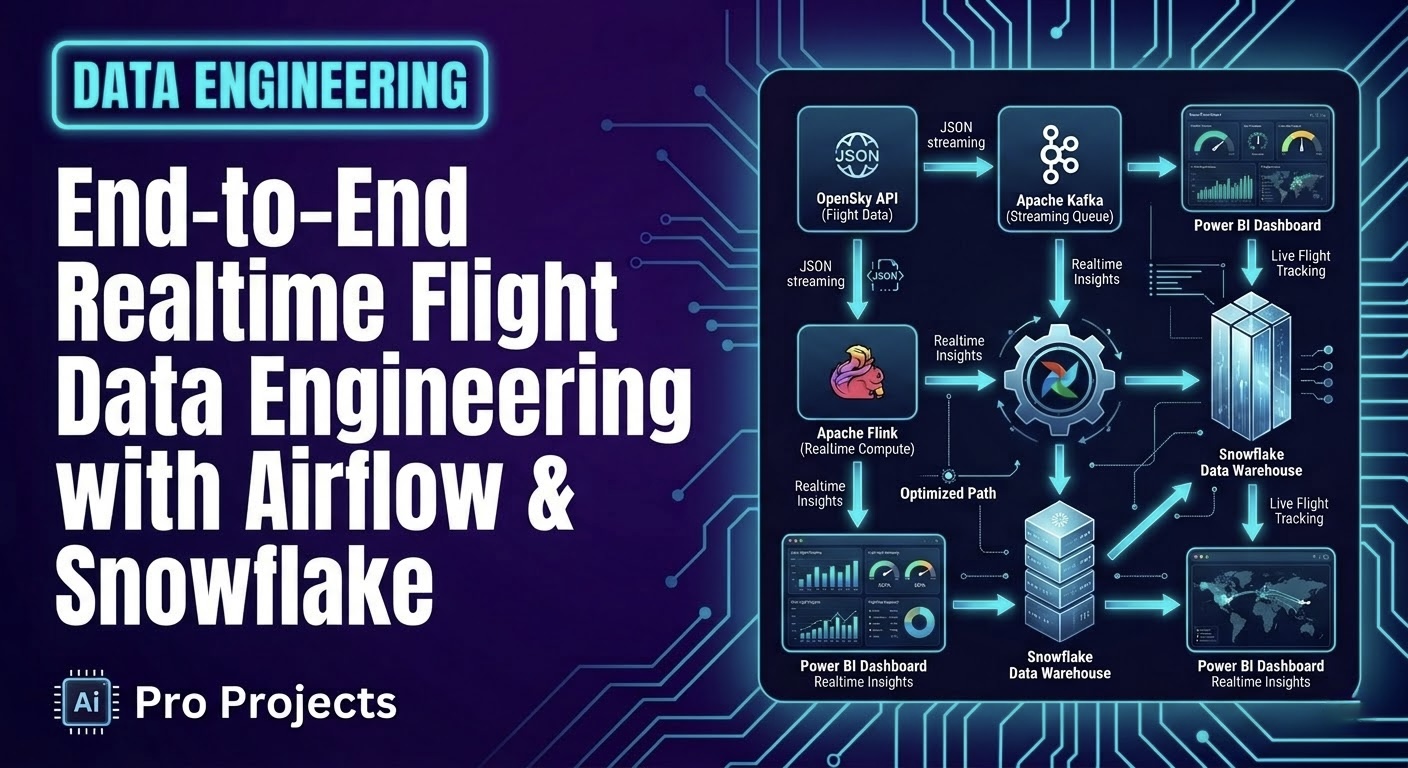
End-to-End Realtime Flight Data Engineering with Airflow & Snowflake
This project implements an end-to-end flight data engineering pipeline using Apache Airflow for orchestration and Snowflake as the data warehouse, following a medallion architecture pattern with bronze, silver, and gold data layers. The bronze layer ingests raw flight data from JSON files, the silver layer performs data cleansing and transformation, and the gold layer aggregates insights for analytics, all automated through scheduled Airflow DAGs. Built with Python scripts for each layer and Docker Compose for containerized deployment, this solution ensures scalable, reliable data processing from ingestion to warehousing, supporting real-time flight operations analytics.
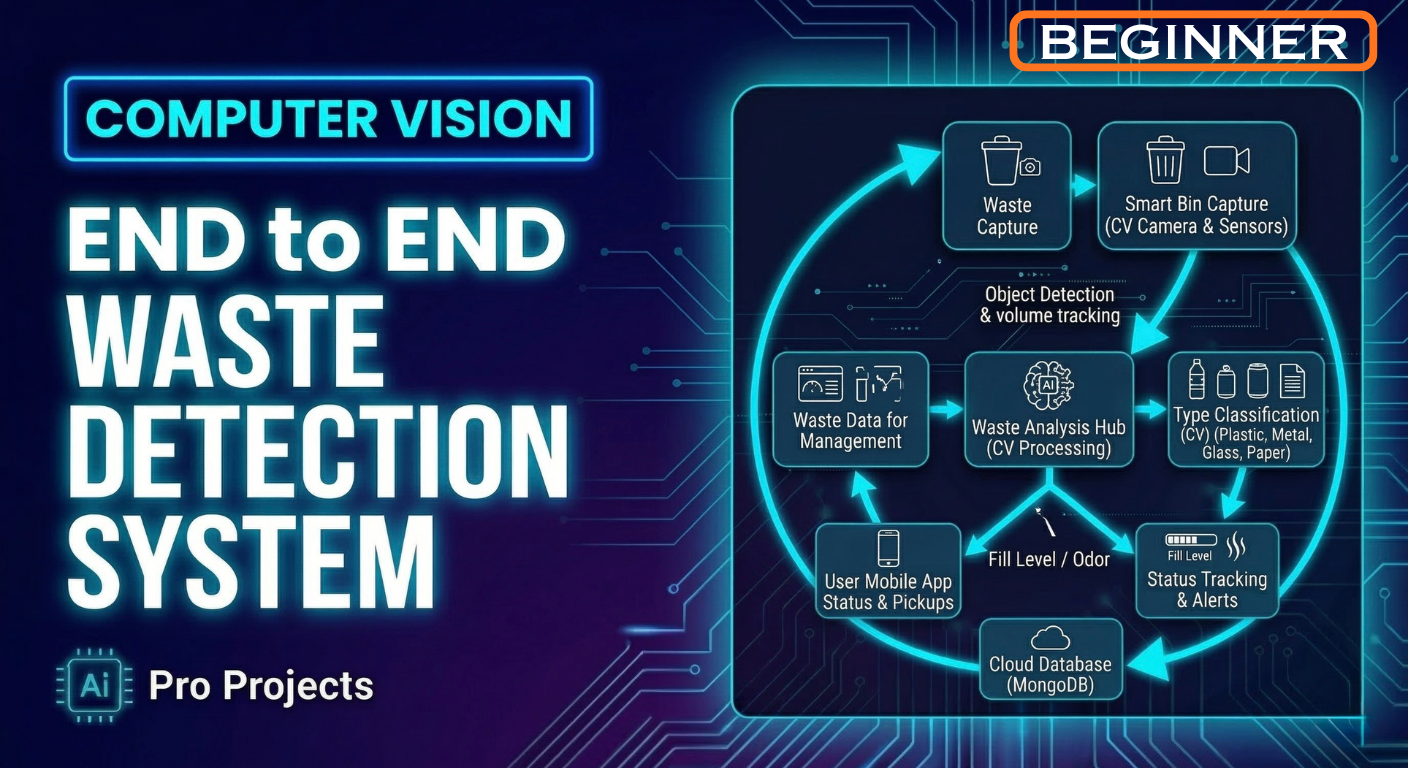
End to End Waste Detection System
This project highlights the creation and significance of an End to End Waste Detection System that leverages computer vision technology to accurately identify various waste materials. By enhancing waste management practices, this system not only promotes environmental sustainability but also delivers substantial societal benefits, showcasing the transformative power of technology in addressing pressing ecological challenges.
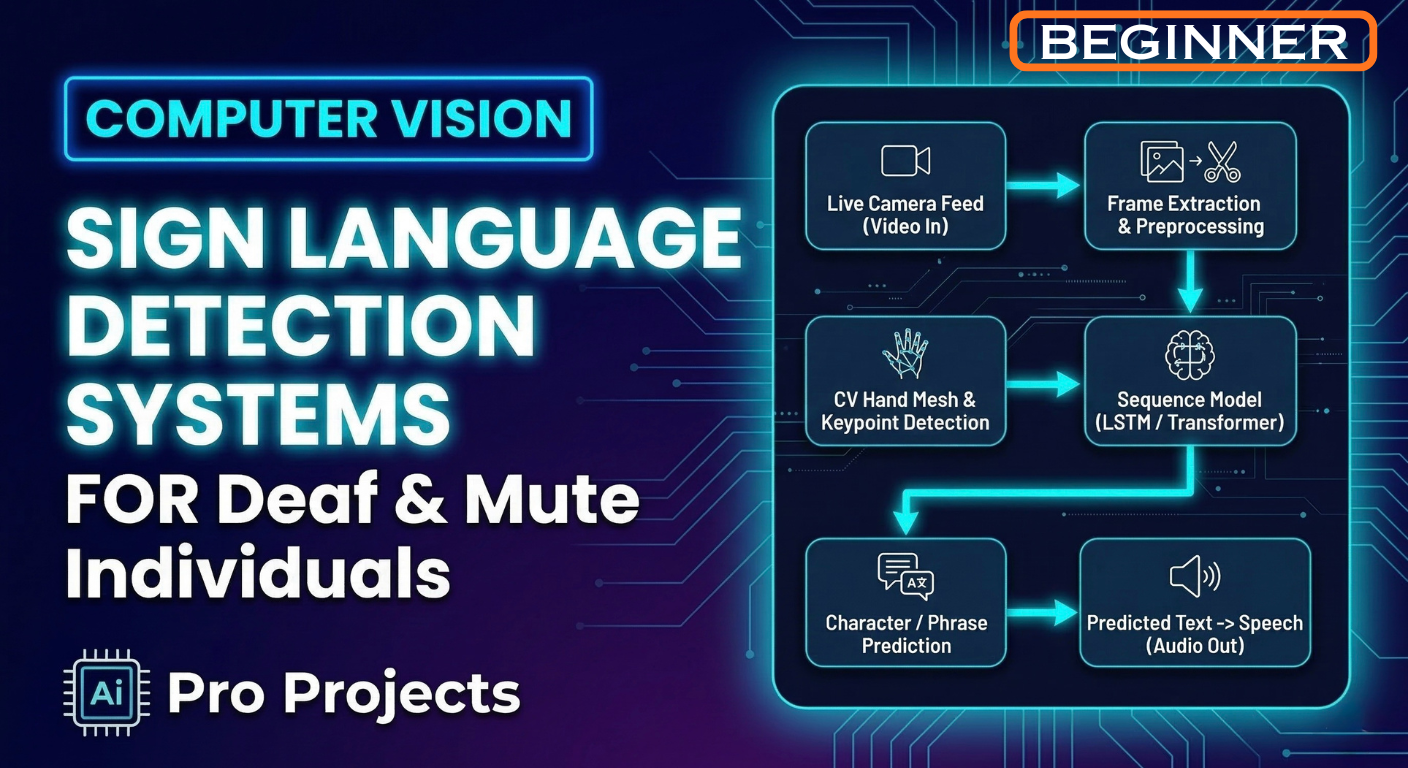
Sign Language Detection Systems For Deaf And Mute Individuals
The Sign Language Detection System is an end-to-end deep learning application designed to bridge the communication gap between deaf/mute individuals and the hearing community. The system uses YOLOv5 (You Only Look Once v5) — a state-of-the-art real-time object detection model — to recognize and classify hand gestures representing sign language symbols from images or live camera feeds. The application is served via a Flask web server and is deployed to AWS using a fully automated CI/CD pipeline powered by GitHub Actions and Docker*
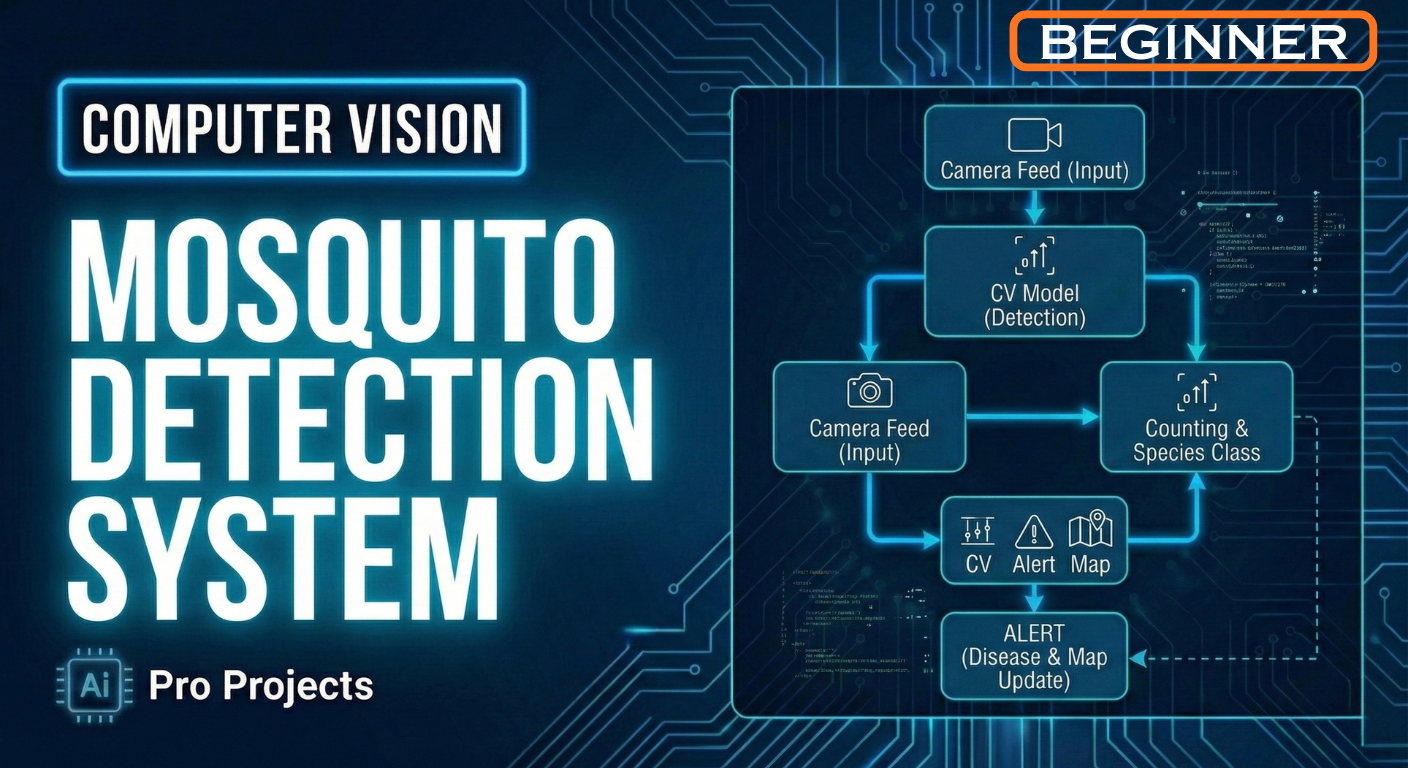
Mosquito Detection System - Prevent Mosquito-borne Diseases
The Mosquito Detection System is an end-to-end Computer Vision application designed to detect mosquitoes in images and live camera feeds using the YOLOv5 object detection model. The system aims to support public health initiatives by enabling early identification and monitoring of mosquito presence, helping prevent the spread of mosquito-borne diseases such as Dengue, Malaria, Zika, and Chikungunya.
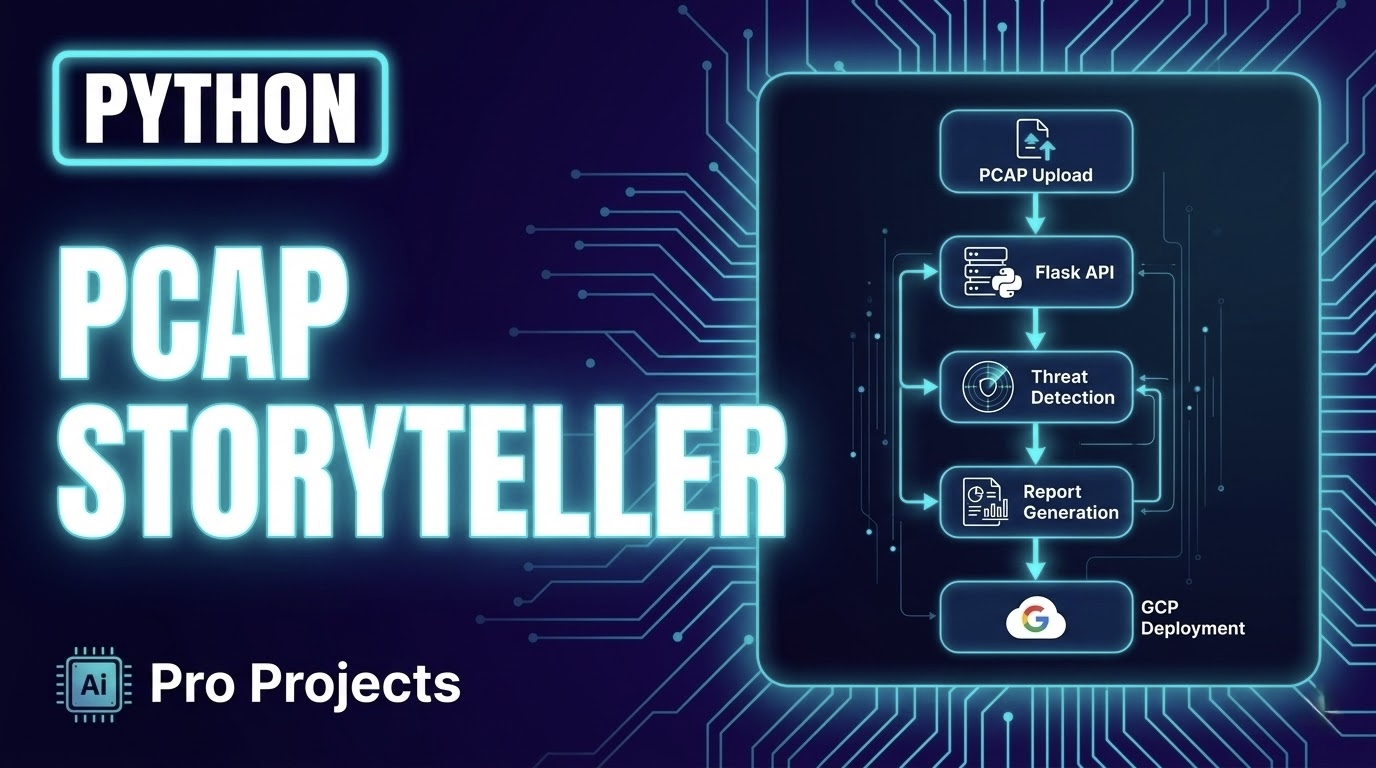
PCAP StoryTeller
PCAP StoryTeller simplifies network forensics by converting complex packet data into human-readable stories. The application automatically links network events, provides heuristic risk scoring, and presents data through an intuitive visual dashboard, making it accessible for cybersecurity students and newcomers.
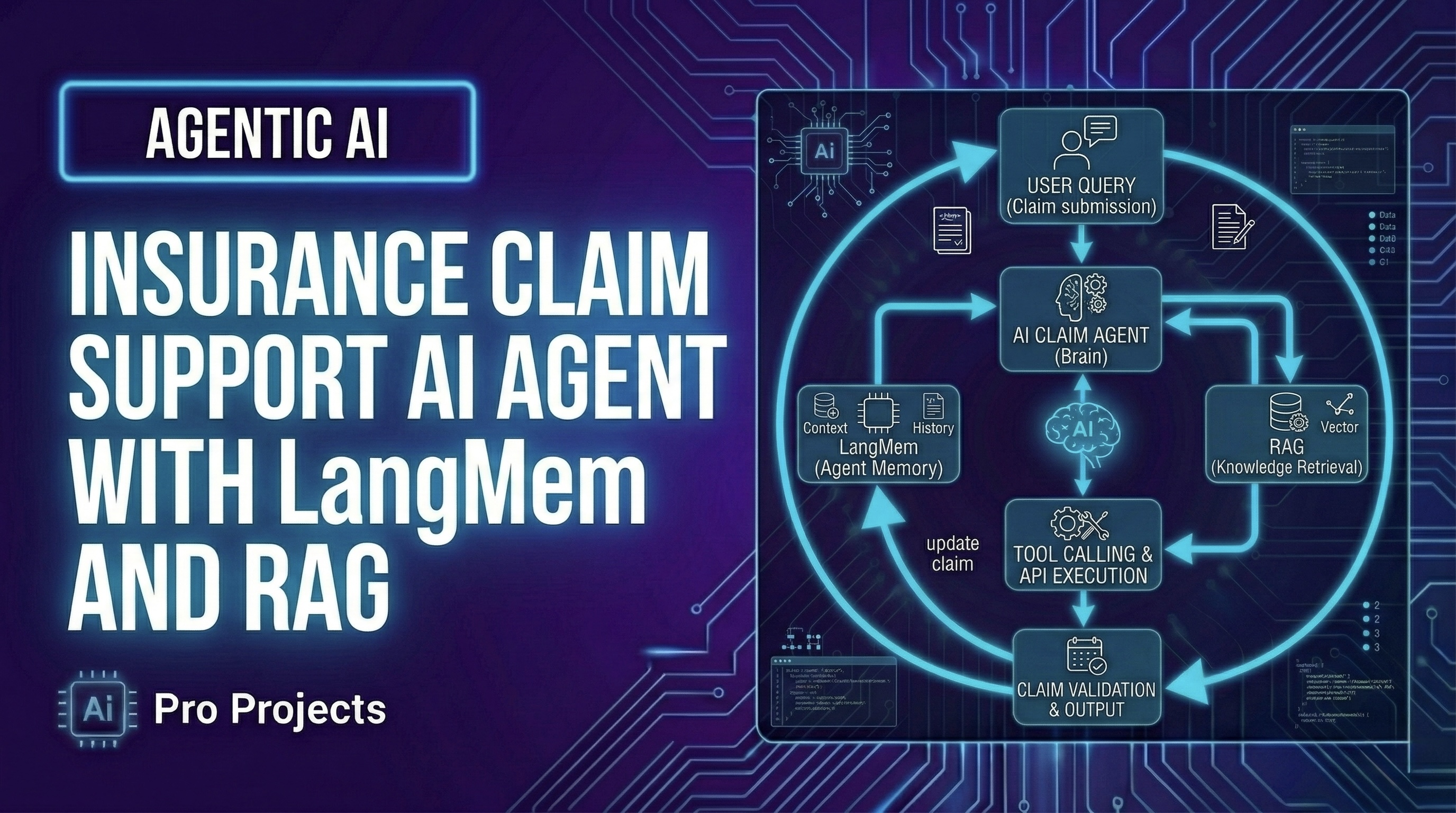
Insurance Claim Support AI Agent with LangMem and RAG
Build an intelligent copilot application for insurance claims support, leveraging memory and tool calling capabilities to provide personalized and context-aware assistance. This project enhances support efficiency by enabling the system to remember user interactions, retrieve relevant information, and utilize external tools for informed decision-making.
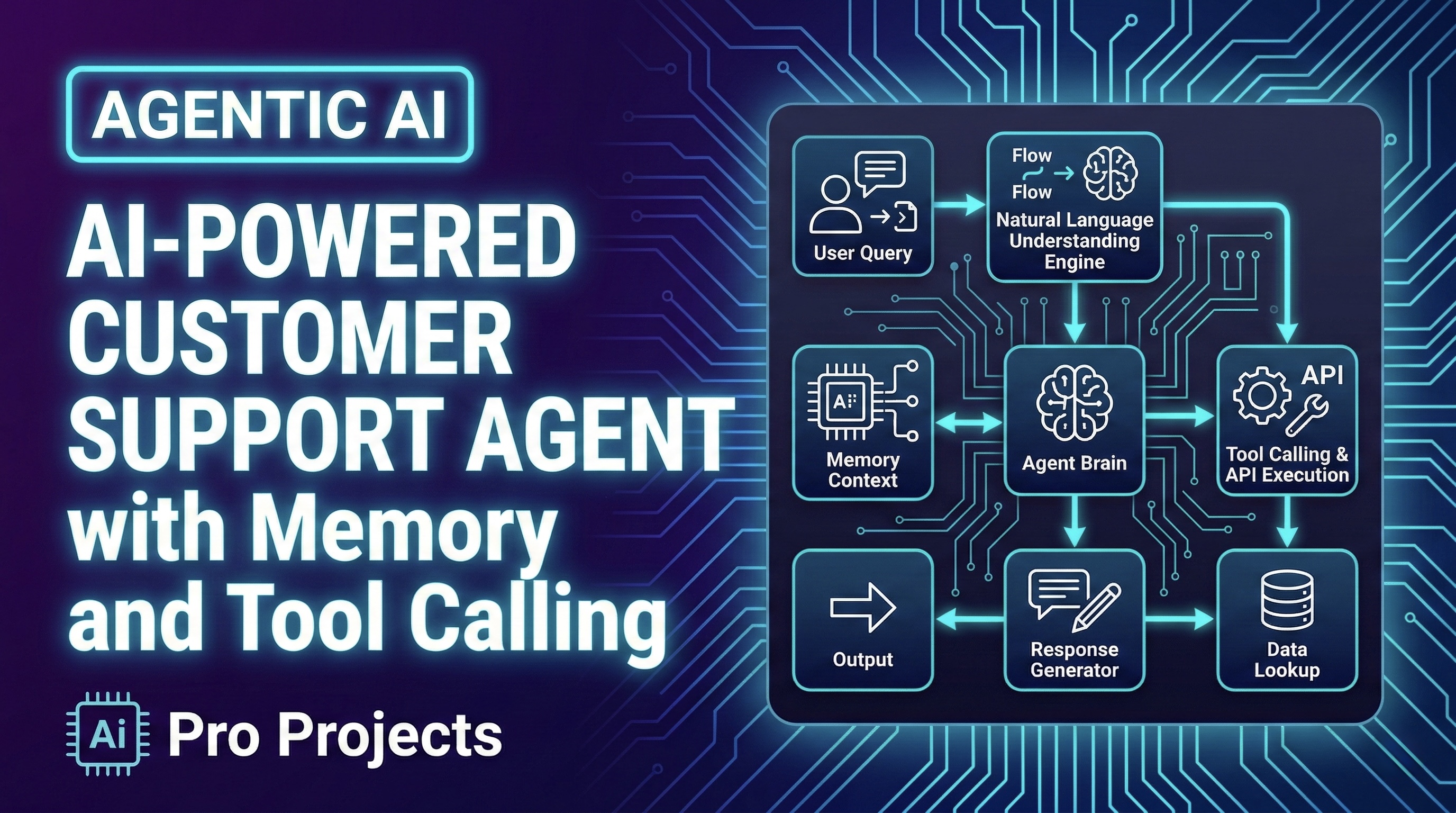
AI-Powered Customer Support Agent with Memory and Tool Calling
Support agents lose over 60% of their time switching between multiple tools to gather customer context before drafting a reply. This project solves that problem by building an AI-powered Customer Support Copilot that automatically collects relevant context using RAG for knowledge base search, Mem0 for persistent customer memory, and LangChain tool calling for CRM and billing lookups, then uses an LLM to generate a ready-to-review response in one click. The system is built on a modular FastAPI backend with SQLite, ChromaDB, and Mem0, includes a Streamlit dashboard for ticket handling, and is production-ready with Docker, CI/CD pipelines, and AWS EC2 deployment.
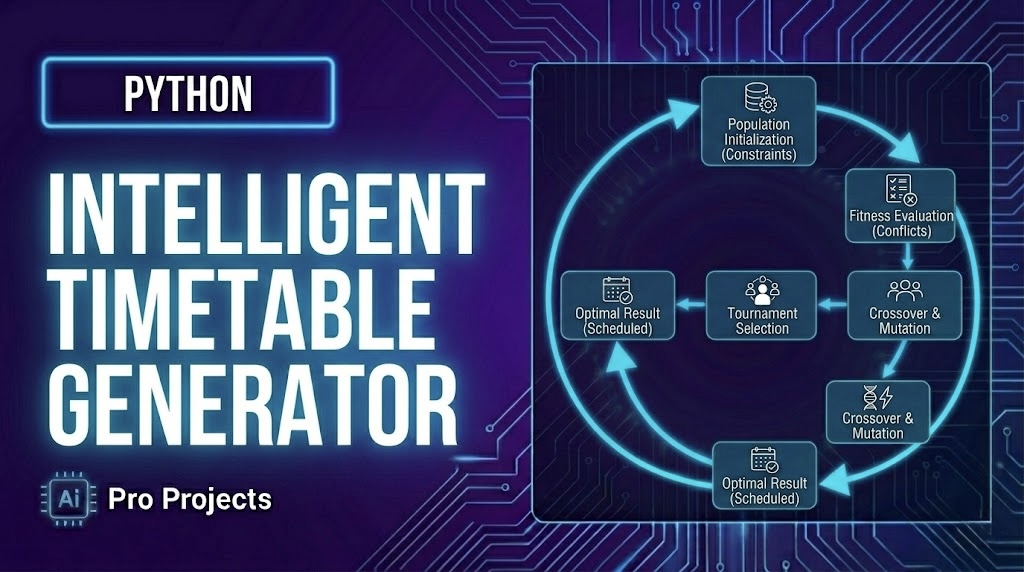
Intelligent Timetable Generator with Genetic Algorithm
The Intelligent Timetable Generator automates the creation of conflict-free academic timetables using a Genetic Algorithm. This web application replaces manual scheduling with computational intelligence, optimizing for teacher availability and subject credits, and reducing scheduling time from hours to seconds.
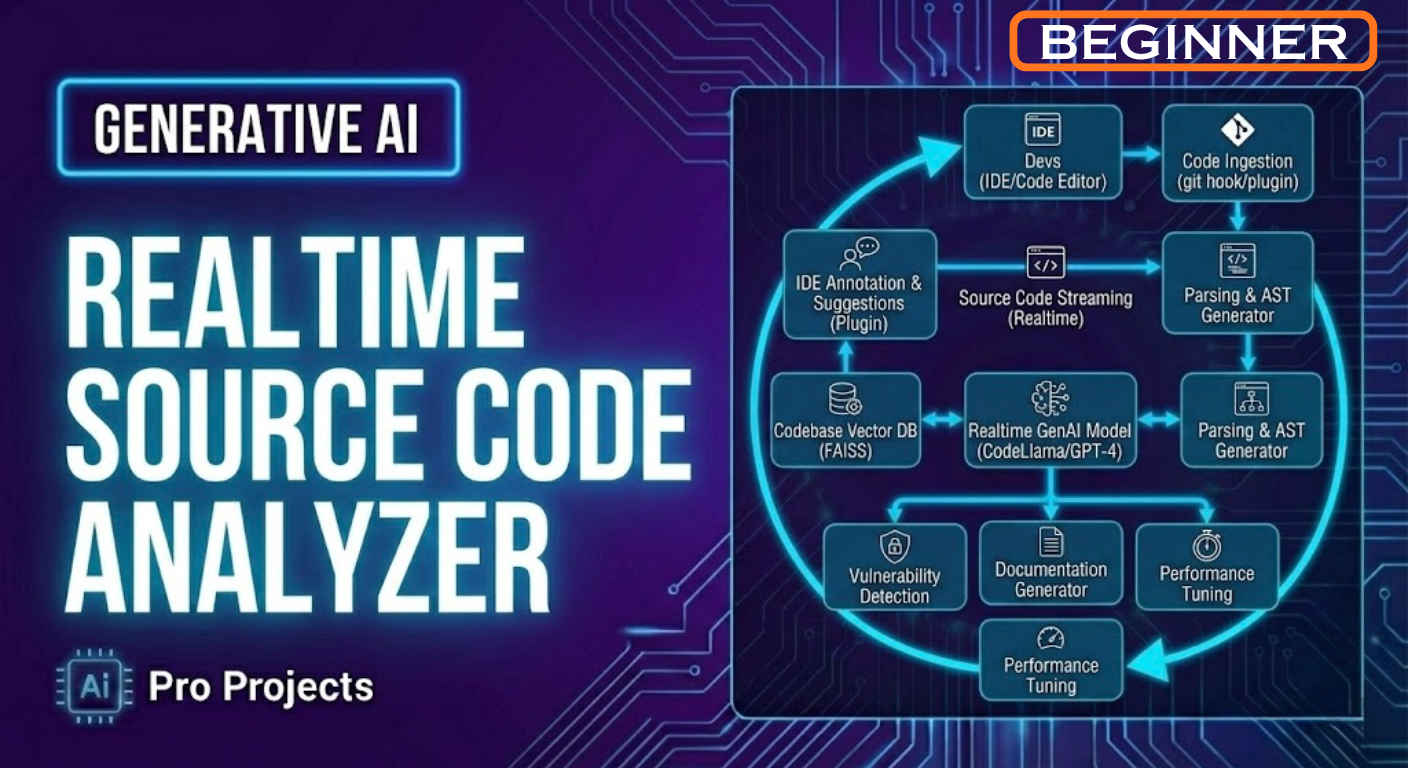
Realtime Source Code Analyzer
Source Code Analyzer is a generative AI–powered application that lets users point a GitHub repository at the system and then ask natural-language questions about that codebase. The system clones the repo, indexes Python source files, embeds them in a vector store, and answers questions using retrieval-augmented generation (RAG) with conversational memory. Target users: Developers, researchers, and technical reviewers who want to explore or understand unfamiliar Python repositories without reading every file.
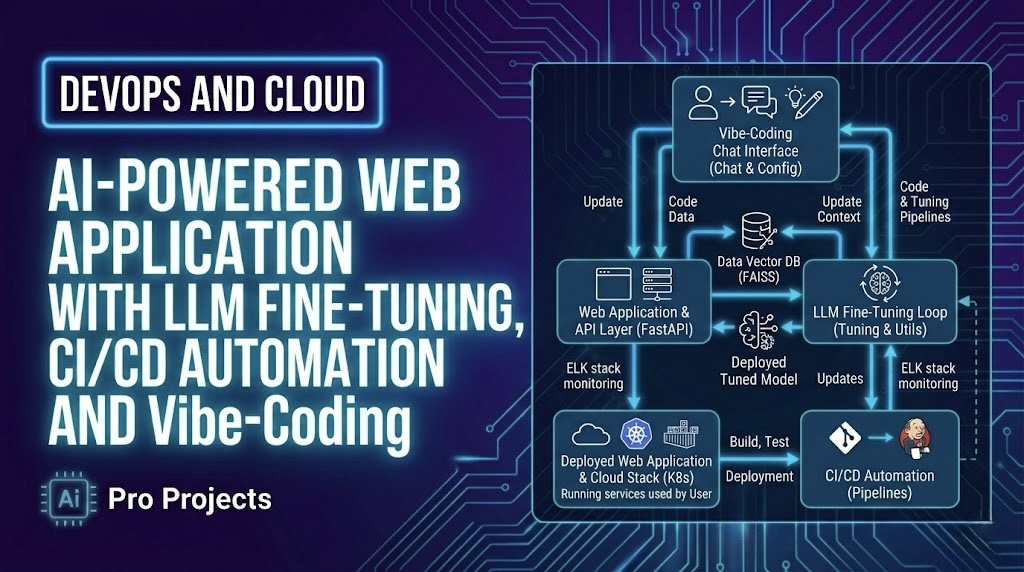
AI-Powered Web Application with LLM Fine-Tuning, CI/CD Automation and Vibe-Coding
Built an end-to-end Generative AI application by fine-tuning an LLM using Azure AI Foundry and integrating it into a React-based web interface. Implemented automated CI/CD deployment using AWS CodePipeline and hosted the application on S3 for scalable cloud delivery. Focused on production-ready AI workflows combining GenAI, cloud, and DevOps practices.
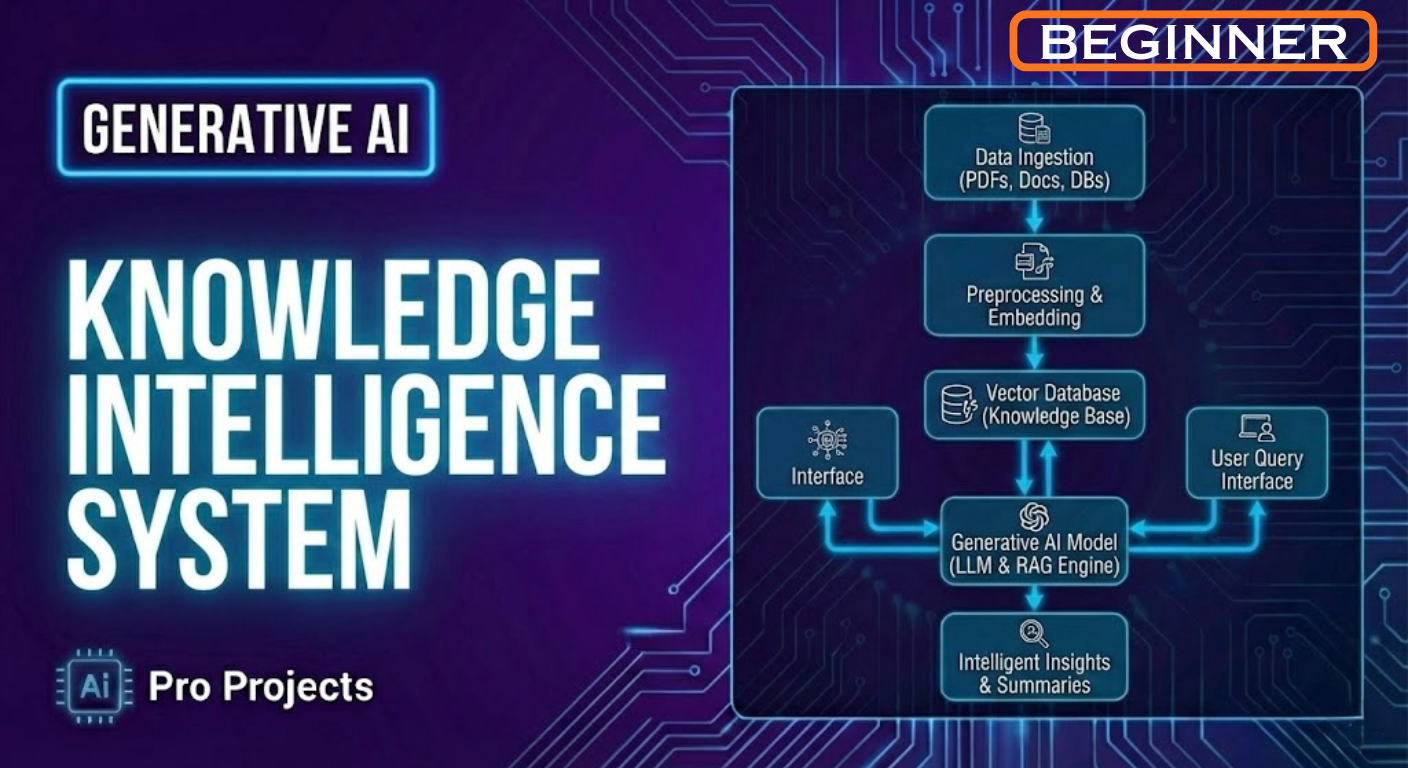
Knowledge Intelligence System
The goal of this project is to build a Retrieval-Augmented Generation (RAG)–based Knowledge Intelligence System that allows users to ingest, organize, search, and converse with their internal documents and data sources using a conversational AI interface. The system will combine a vector-based retrieval layer with a large language model (LLM) to provide accurate, context-aware answers grounded in the user’s knowledge base, while offering an admin-friendly interface for managing content and monitoring usage.
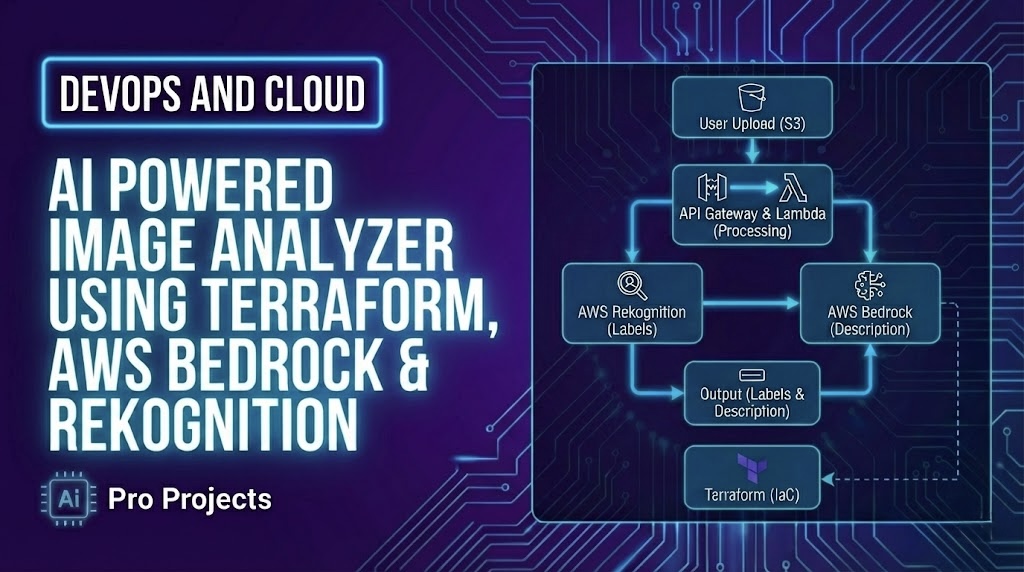
AI Powered Image Analyzer using Terraform, AWS Bedrock & Rekognition
AI Image Analyzer is a serverless web application that allows users to upload images and automatically understand their content. It uses AWS Rekognition to detect image labels and AWS Bedrock (Mistral model) to generate natural language descriptions. The entire system is deployed using Terraform, with a frontend hosted on S3 and backend powered by API Gateway and AWS Lambda.
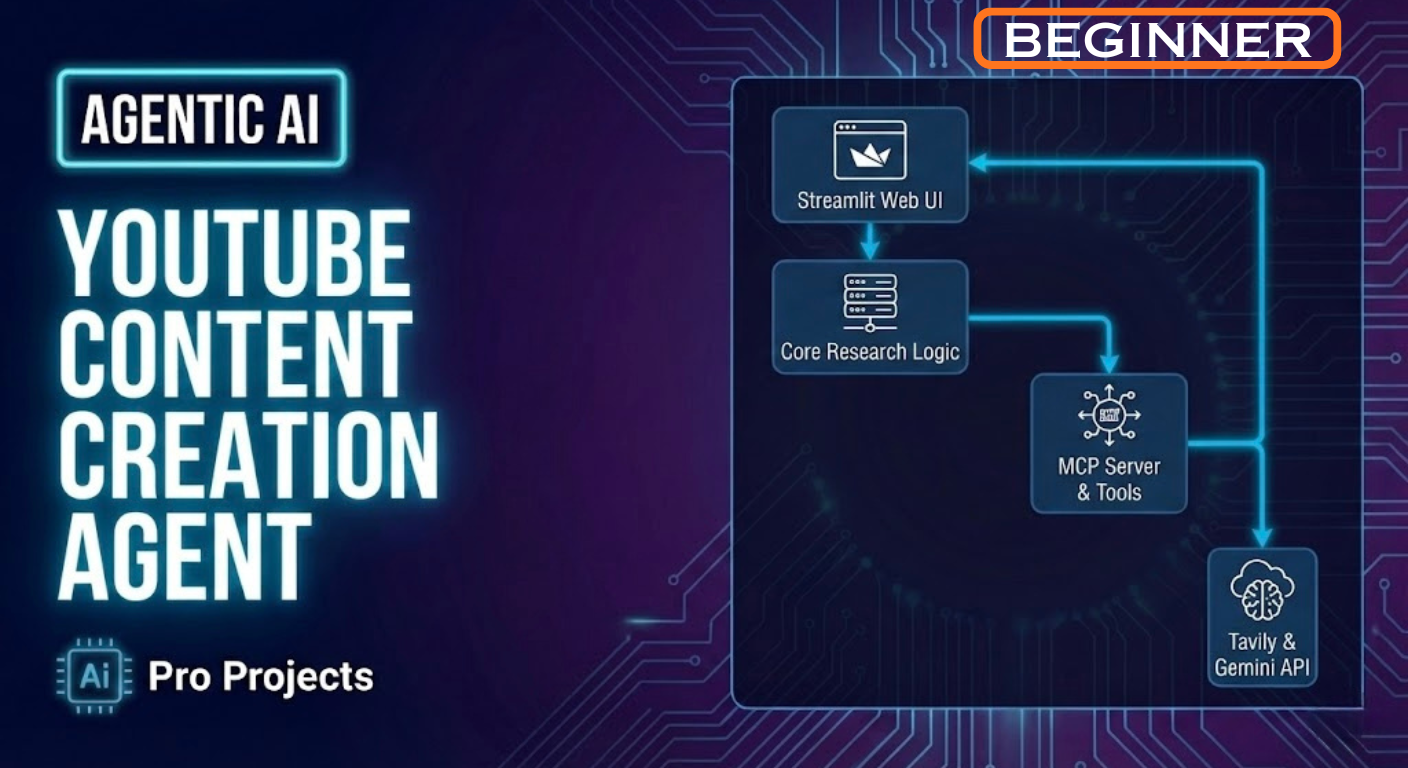
YouTube Content Creation Agent
YouTube Content Creation Agent is a cutting-edge, Streamlit-based application designed to streamline the research and content creation process for video creators. By combining real-time search capabilities with advanced large language models (LLMs), it allows users to go from a simple topic query to a polished short-form video script in seconds.
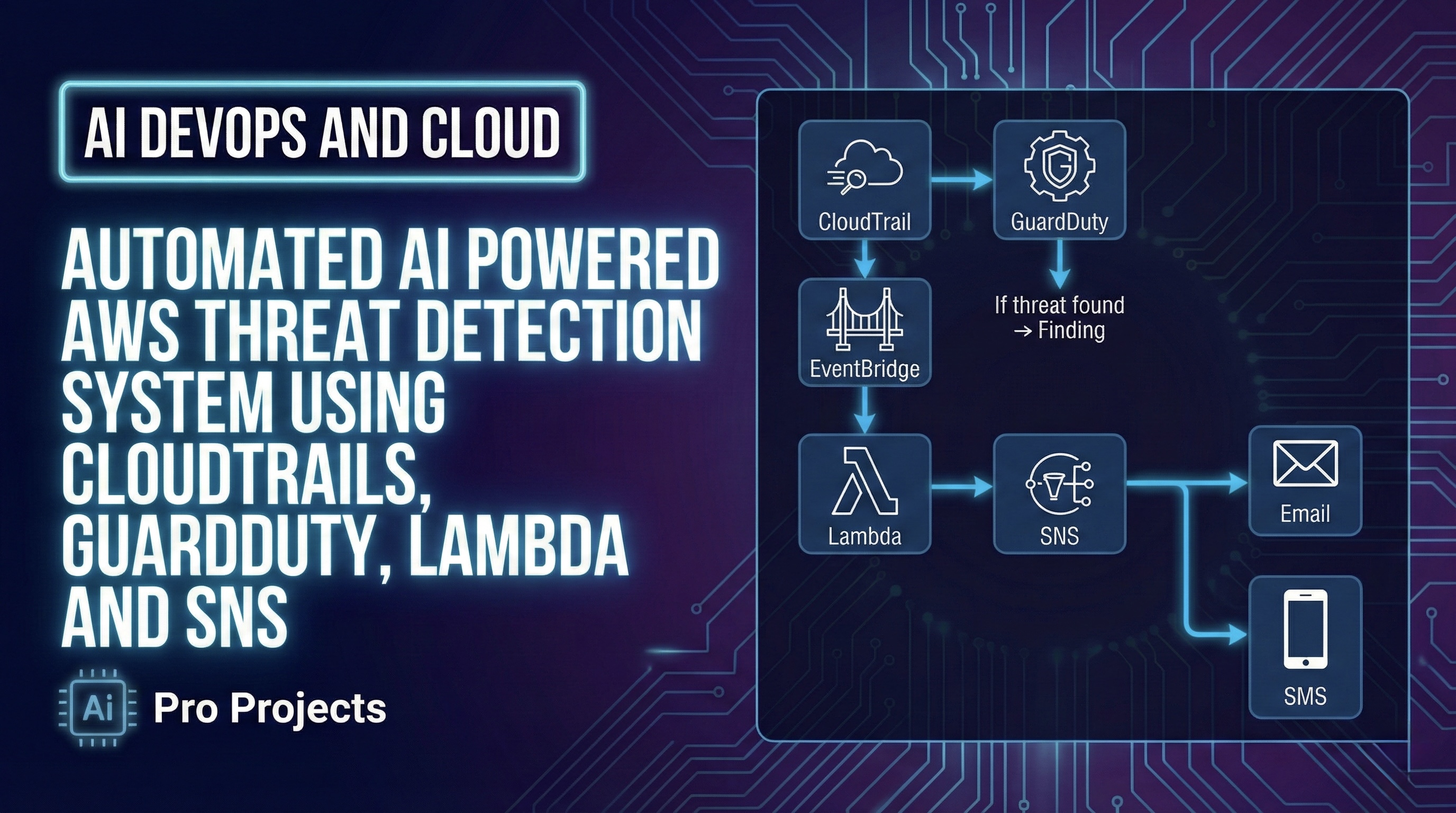
Automated AI Powered AWS Threat Detection System using CloudTrails, GuardDuty, Lambda and SNS
This project builds an automated AI threat detection and incident response pipeline on AWS by leveraging Amazon GuardDuty to identify malicious activities, such as cryptocurrency mining or unauthorized access. Once a threat is detected, Amazon EventBridge routes the event to a custom AWS Lambda function that parses the data and enriches the alert with specific remediation steps. Finally, the system utilizes Amazon SNS to deliver these formatted security warnings directly to administrators via email and SMS notifications.
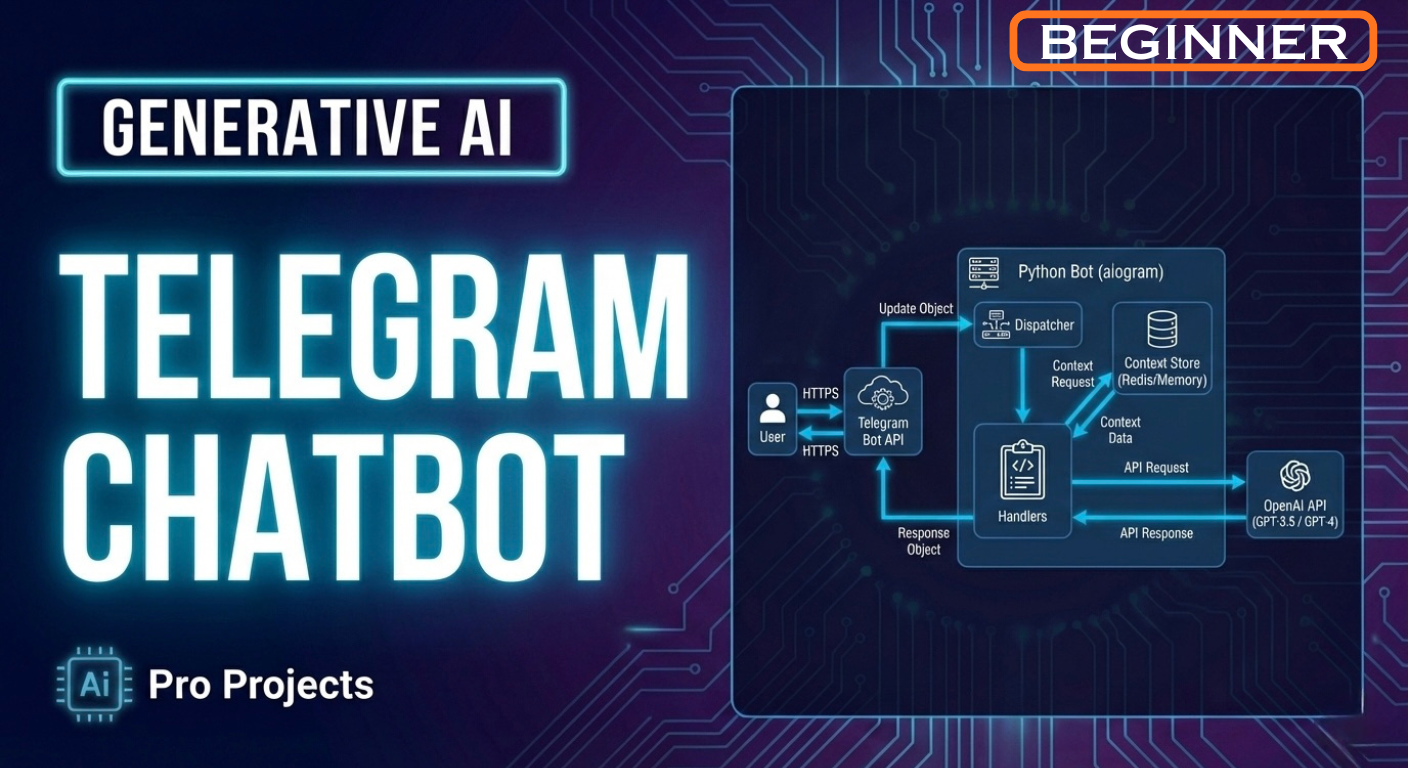
Telegram Chatbot
A Telegram chatbot that provides conversational AI powered by an LLM (such as Gemini or GPT). Users interact through a familiar chat interface to receive AI-generated replies, while the system maintains continuity by injecting the context of the previous assistant response into each new prompt. This creates a fluid, "stateful" dialogue experience rather than a series of disconnected answers.
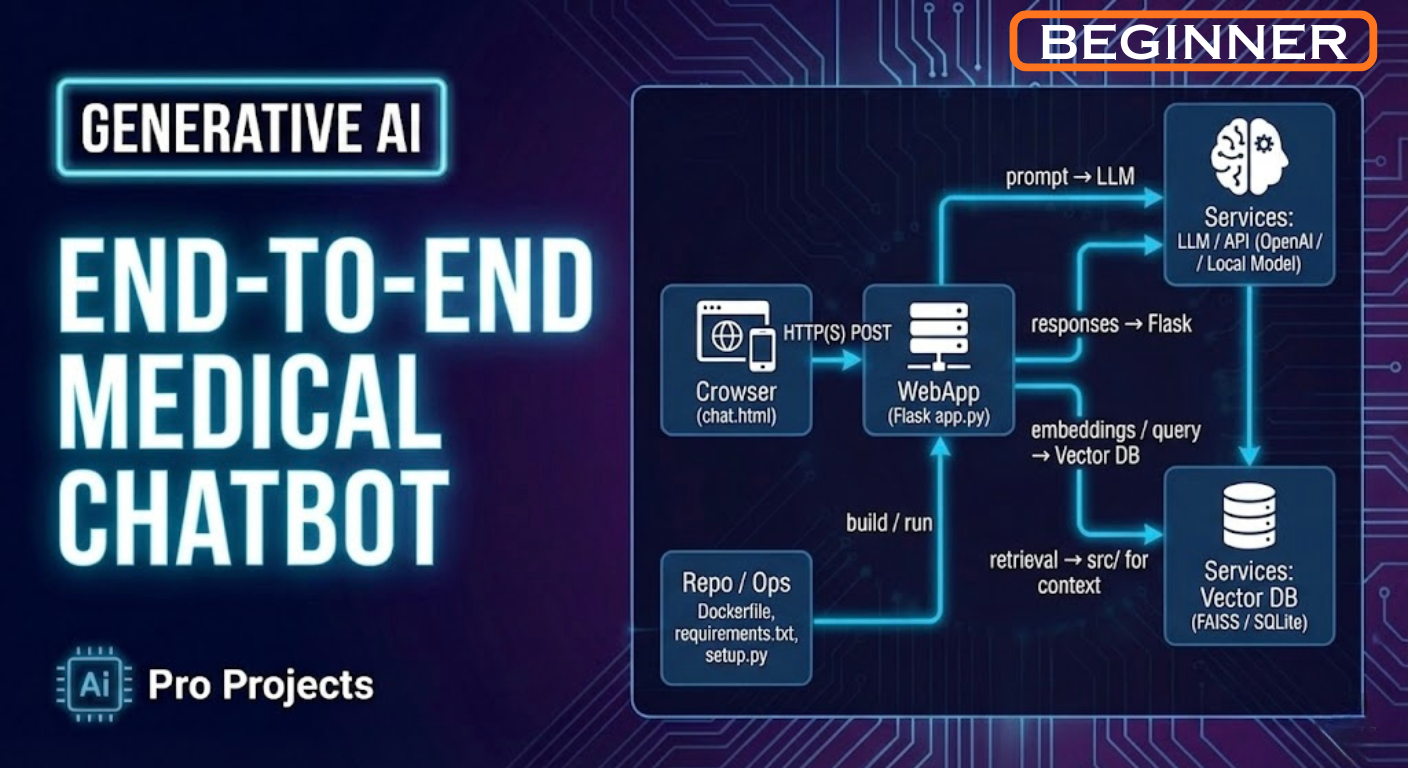
End to End Medical Chatbot
This project involves building a Medical Chatbot capable of answering medical-related queries by leveraging Retrieval-Augmented Generation (RAG). The system uses a knowledge base created from medical PDF documents, stores them as vector embeddings in Pinecone, and retrieves relevant information to generate accurate responses using LLM via LangChain. The application is served using Flask and is designed for deployment on AWS using Docker and GitHub Actions.
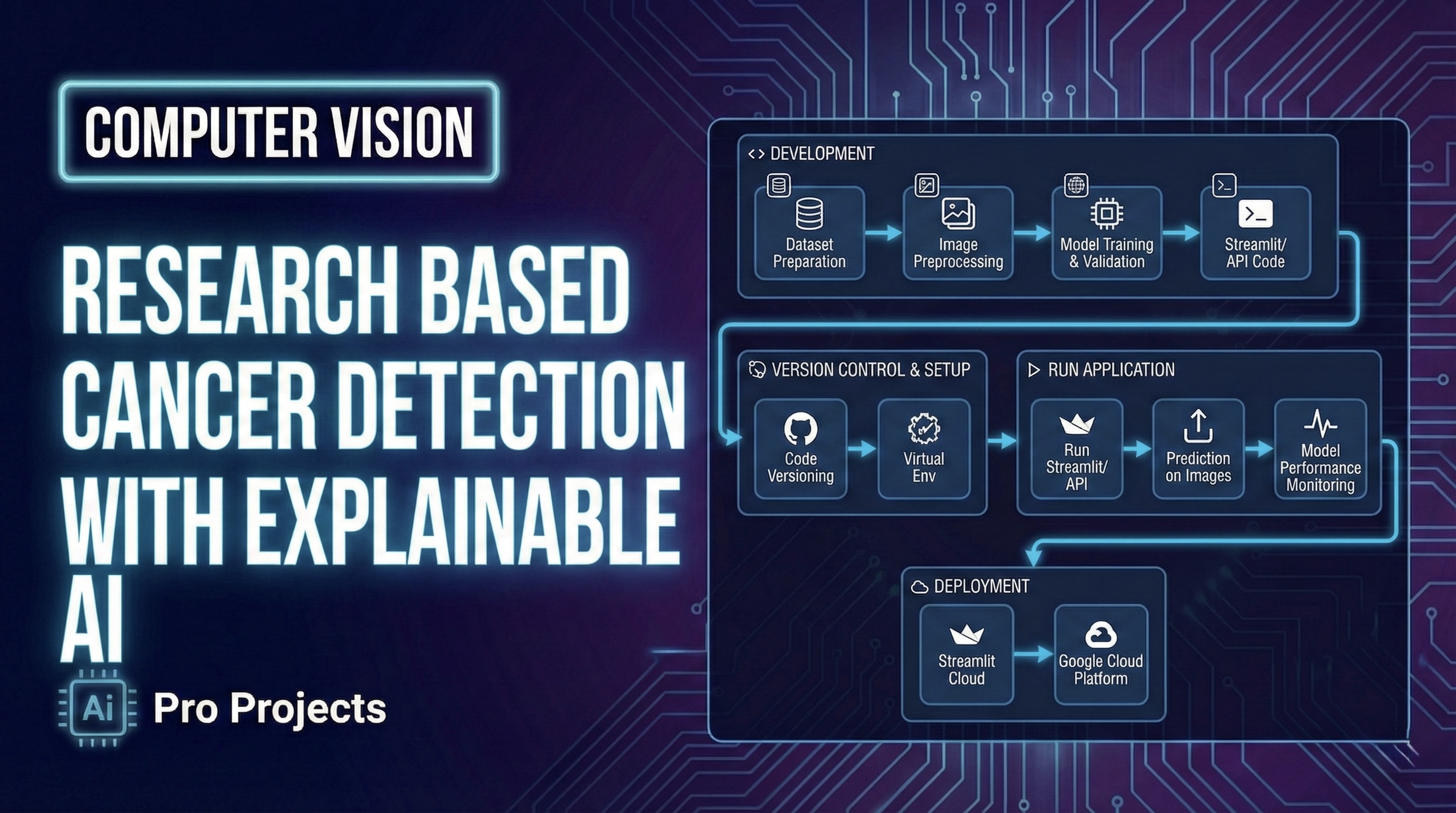
Research Based Cancer Detection with Explainable AI
ThyroCheck AI is a medical diagnostic tool employing a custom deep learning architecture (FibonacciNet) for the classification of thyroid nodules from ultrasound images. It replicates state-of-the-art research, offering clinicians a precision AI diagnosis with integrated Grad-CAM interpretability and automated report generation.
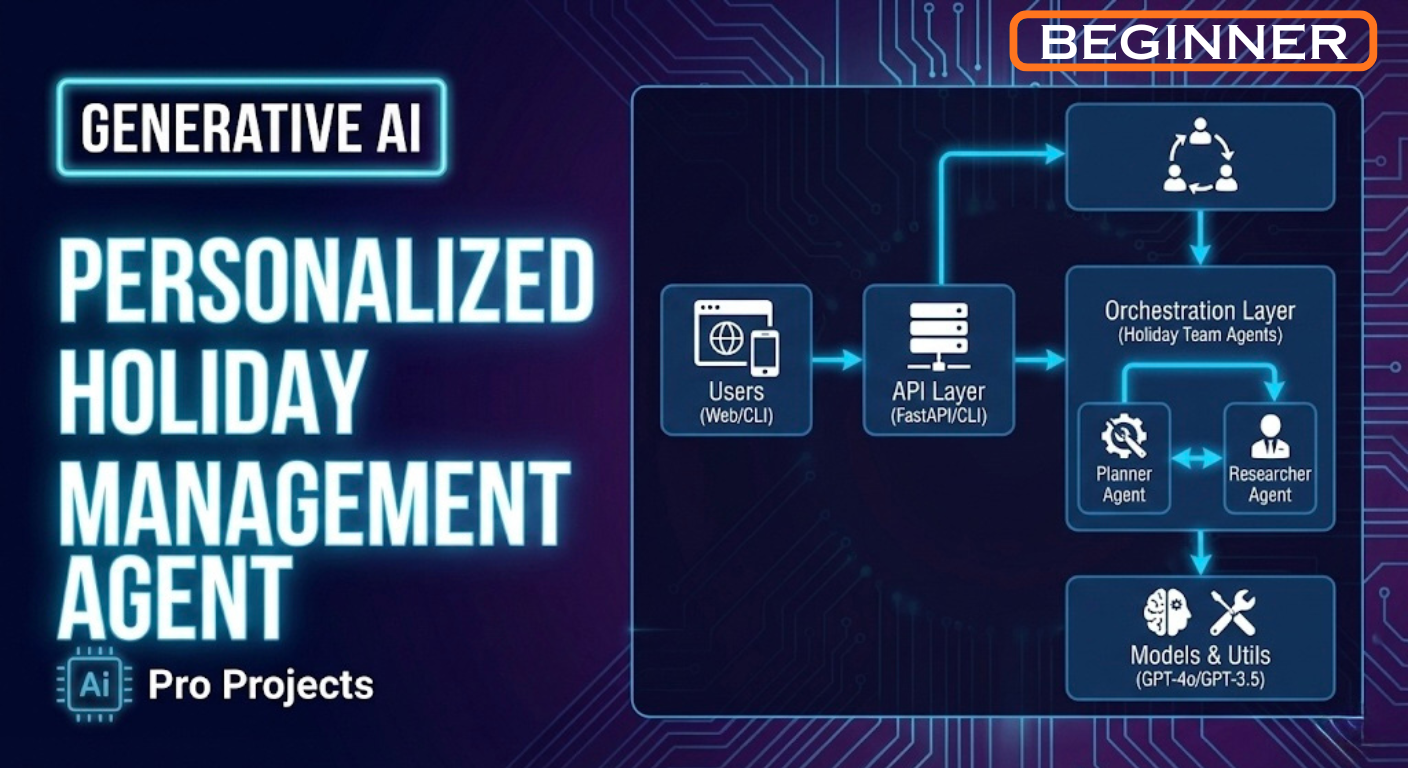
Personalized Holiday Management Agent
Holiday Agent is an autonomous, multi-agent AI system designed to solve the problem of complex travel planning. Unlike standard chatbots that often "hallucinate" non-existent hotels or train schedules, Holiday Agent separates the reasoning process into distinct phases. The system takes a vague user prompt (e.g., *"I want a 7-day trip to Japan focusing on anime and food"*) and orchestrates a team of specialized AI agents to build a concrete, day-by-day itinerary. It validates data in real-time ensure open hours, prices, and locations are accurate before generating the final travel guide.
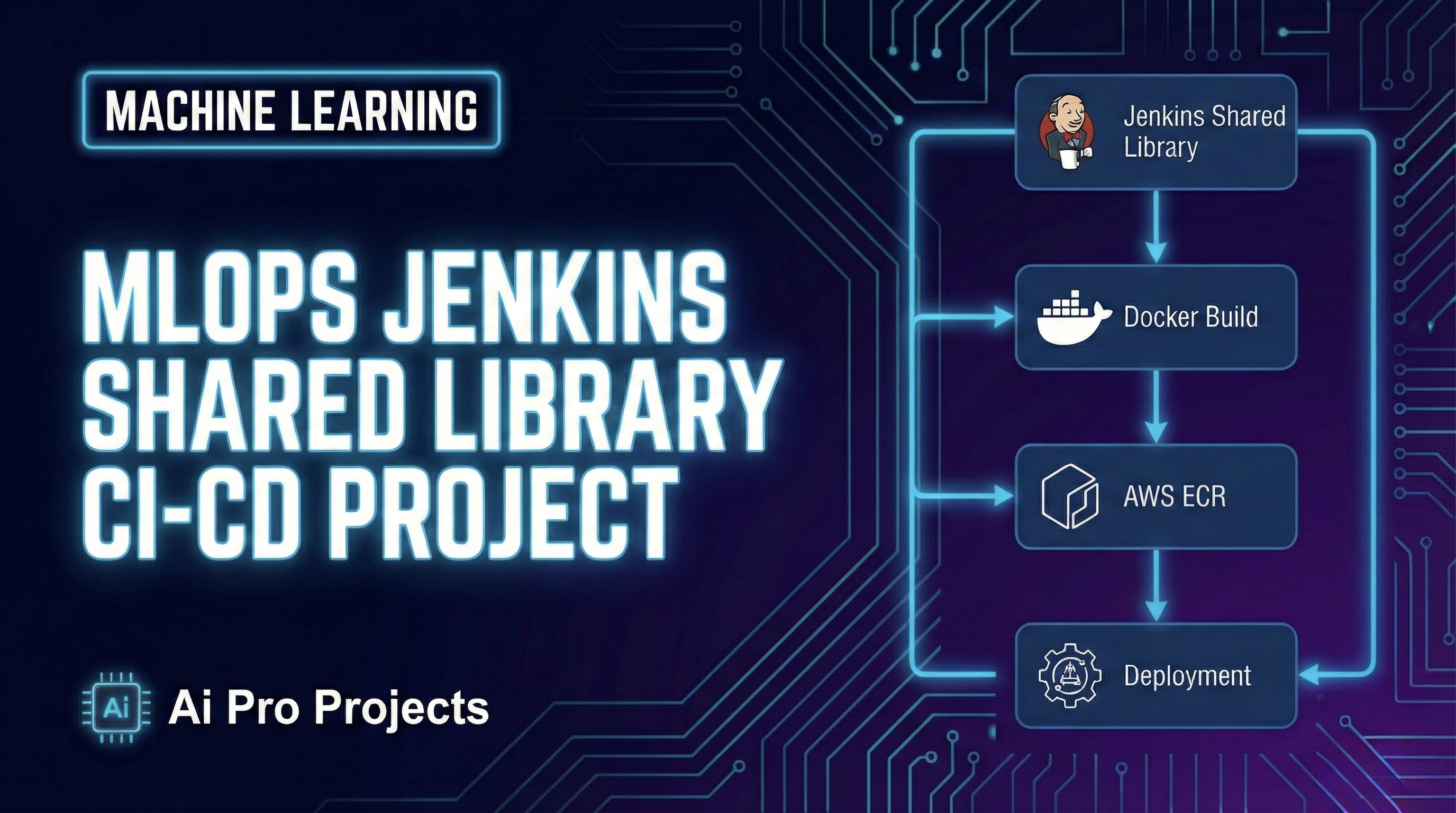
MLOPS Jenkins Shared Library CI-CD Project
This project demonstrates a professional MLOps workflow by centralizing automation logic within a Jenkins Shared Library, ensuring that every build and deployment is standardized and reusable. By leveraging this library, the pipeline automatically handles everything from Docker image creation to Kubernetes orchestration on a GCP-hosted VM, turning complex manual steps into a single, scalable process
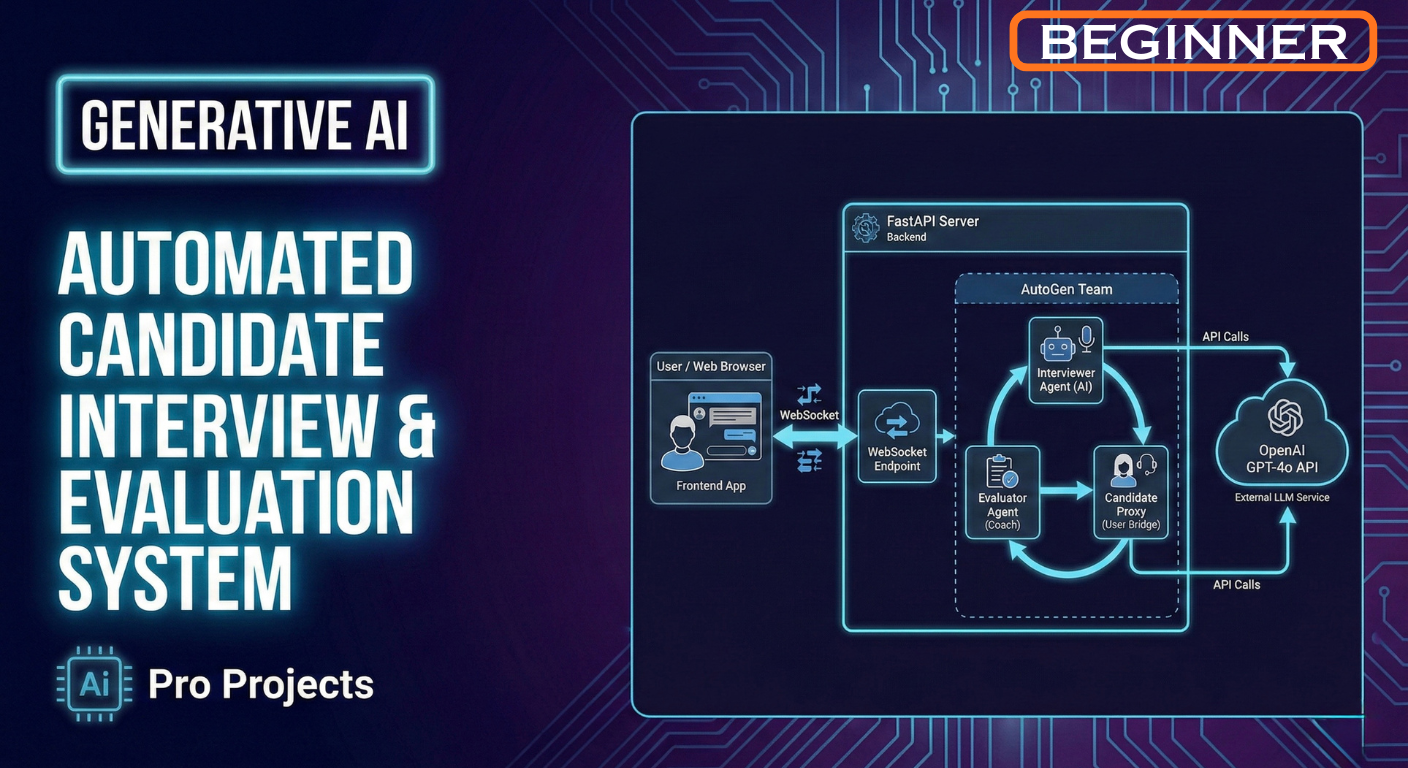
Automated Candidate Interview & Evaluation System
The Automated Candidate Interview & Evaluation System (ARIES) is an agentic AI solution designed to revolutionize the "Top of the Funnel" recruitment process. Unlike traditional automation tools that rely on static keyword matching, ARIES functions as an Autonomous Recruitment Agent. It is capable of perceiving candidate nuances, making real-time decisions during an interview, and independently synthesizing complex data points into a final recommendation.
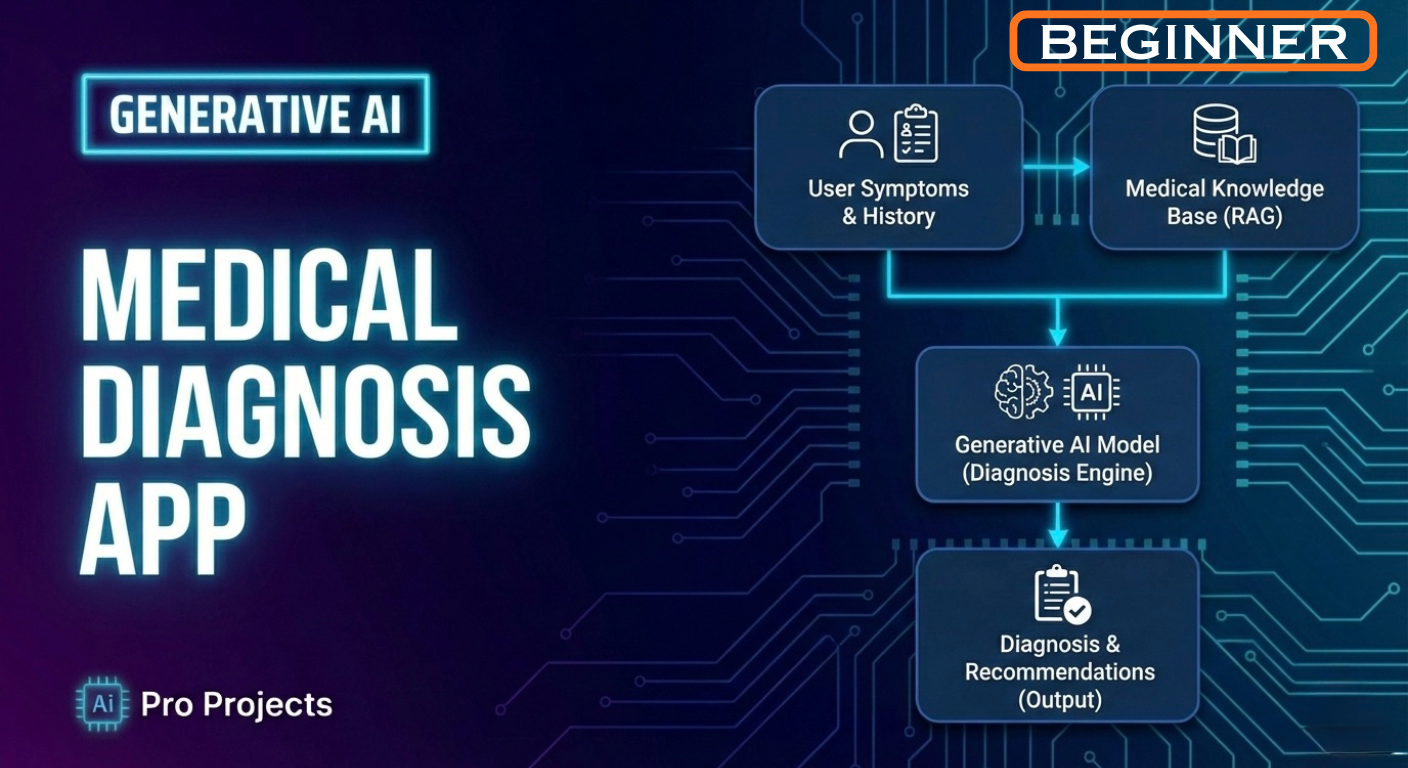
Medical Diagnosis App
It is an intelligent medical research and diagnostic agent leveraging the power of LLMs to process complex medical data, research papers, and patient information. It assists clinicians by offering diagnostic suggestions, summarizing research findings, and identifying potential treatment options — all backed by verified scientific literature. Designed with precision, privacy, and reliability in mind, It acts as a trusted co-pilot in healthcare, helping doctors and researchers make faster and more informed decisions.
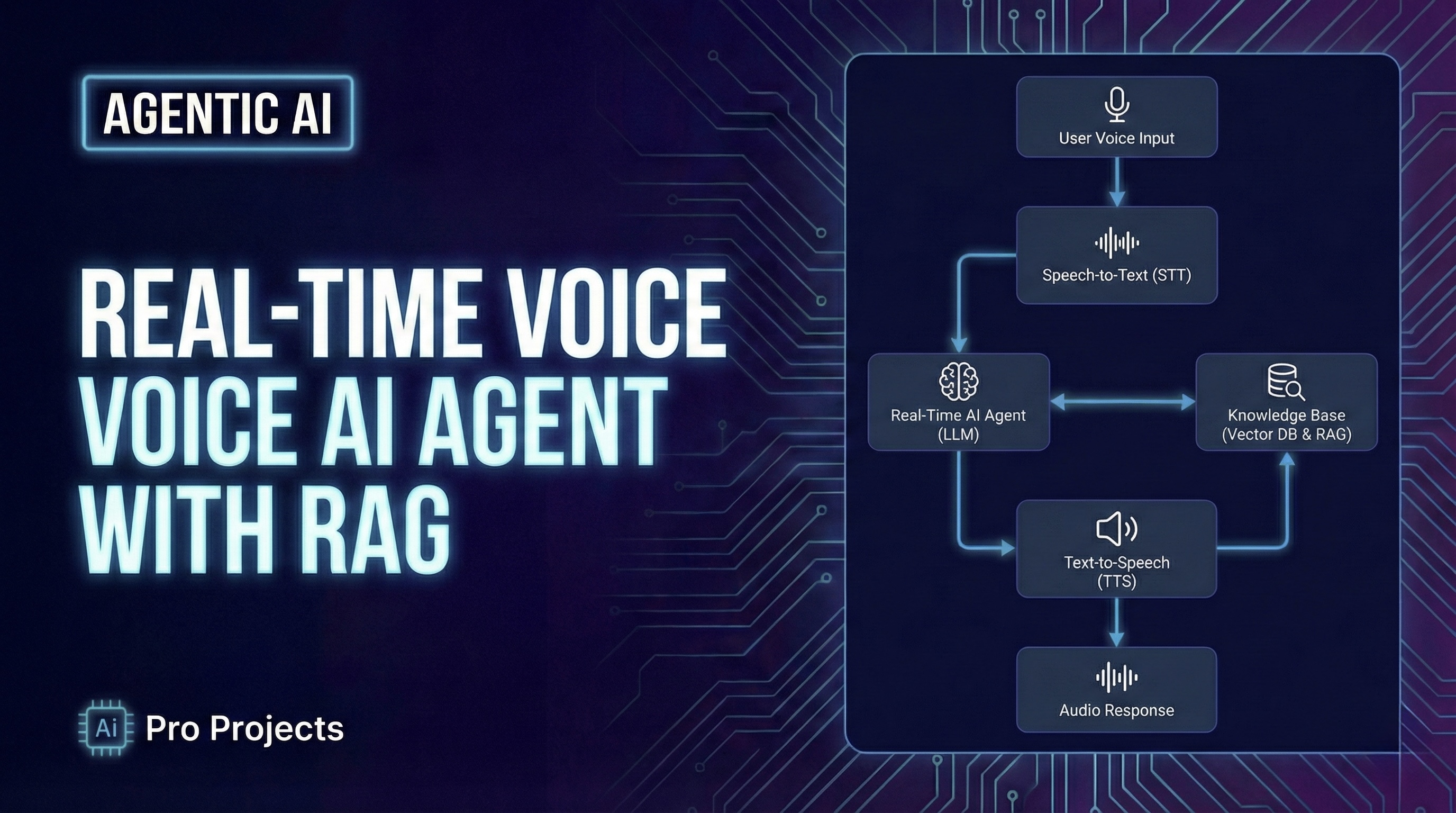
Real-Time Voice AI Agent with RAG
Develop a production-ready Real-Time Voice AI Agent that combines Retrieval Augmented Generation (RAG) with ultra-low latency voice processing. This system enables natural, spoken conversations with an AI assistant, accessing custom knowledge bases stored in vector databases for instant information retrieval.
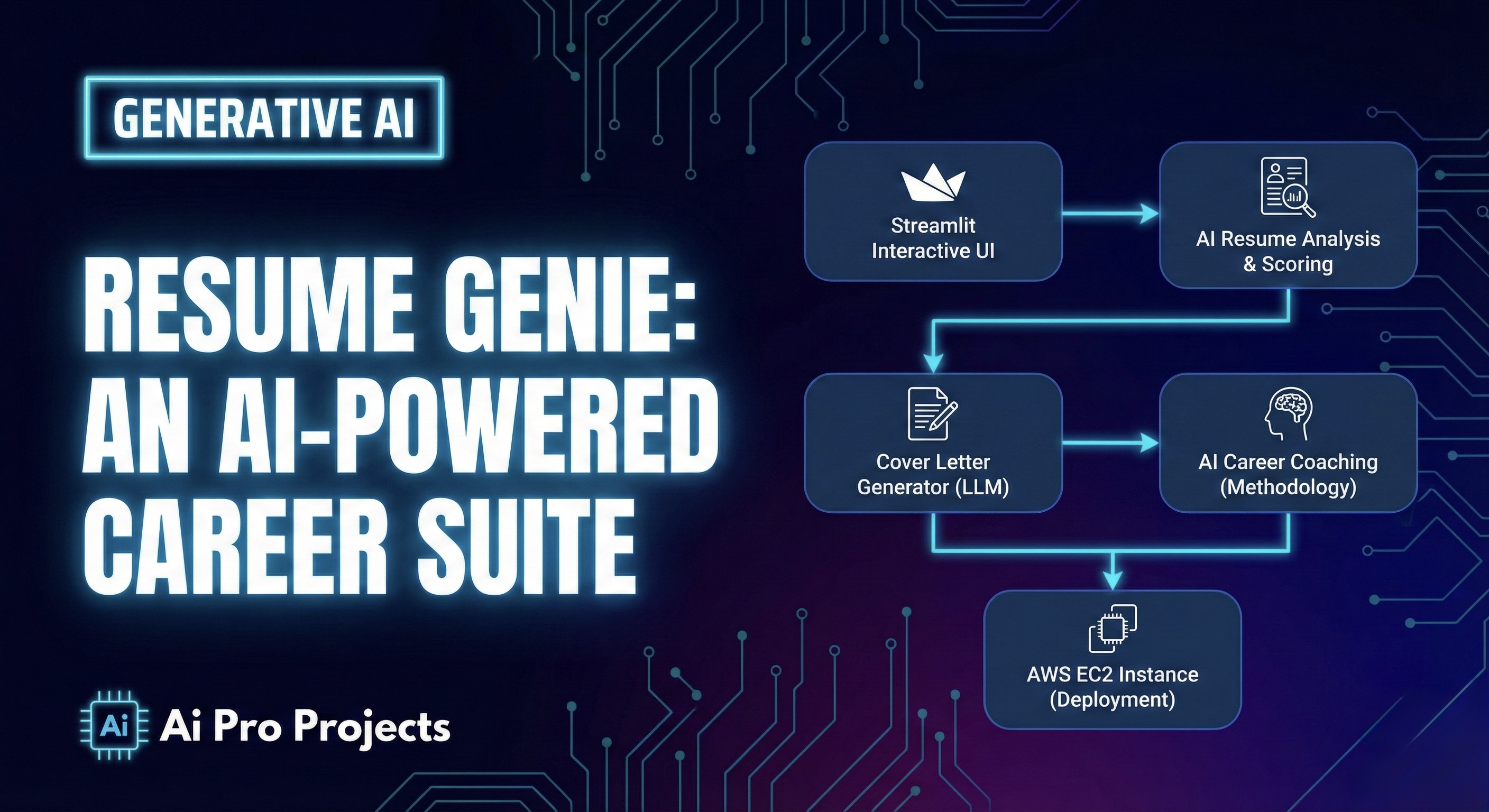
Resume Genie: An AI-Powered Career Suite
Resume Genie is an AI-powered suite of services designed to enhance job applications, offering features like a resume checker, cover letter generator, resume scorer, and an AI career coach. Built with Streamlit for a user-friendly interface and deployed on AWS EC2, it provides actionable feedback and personalized career guidance.
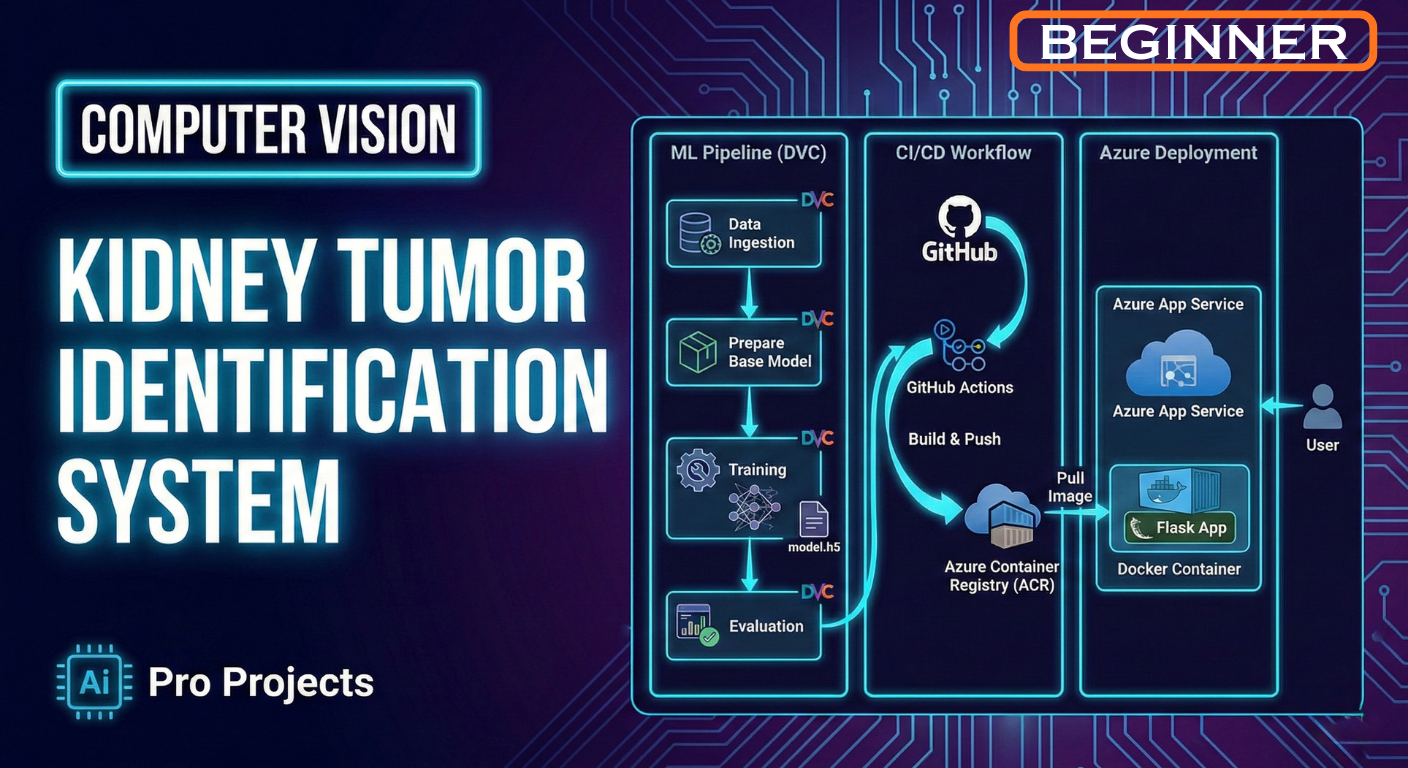
Kidney Tumor Identification System
The Kidney Tumor Identification System is a state-of-the-art Deep Learning application designed to assist medical professionals in the early detection and classification of kidney tumors from CT scan images. By leveraging Convolutional Neural Networks (CNNs) and MLOps best practices, this system provides accurate, automated diagnostics to reduce the workload on radiologists and improve patient outcomes.
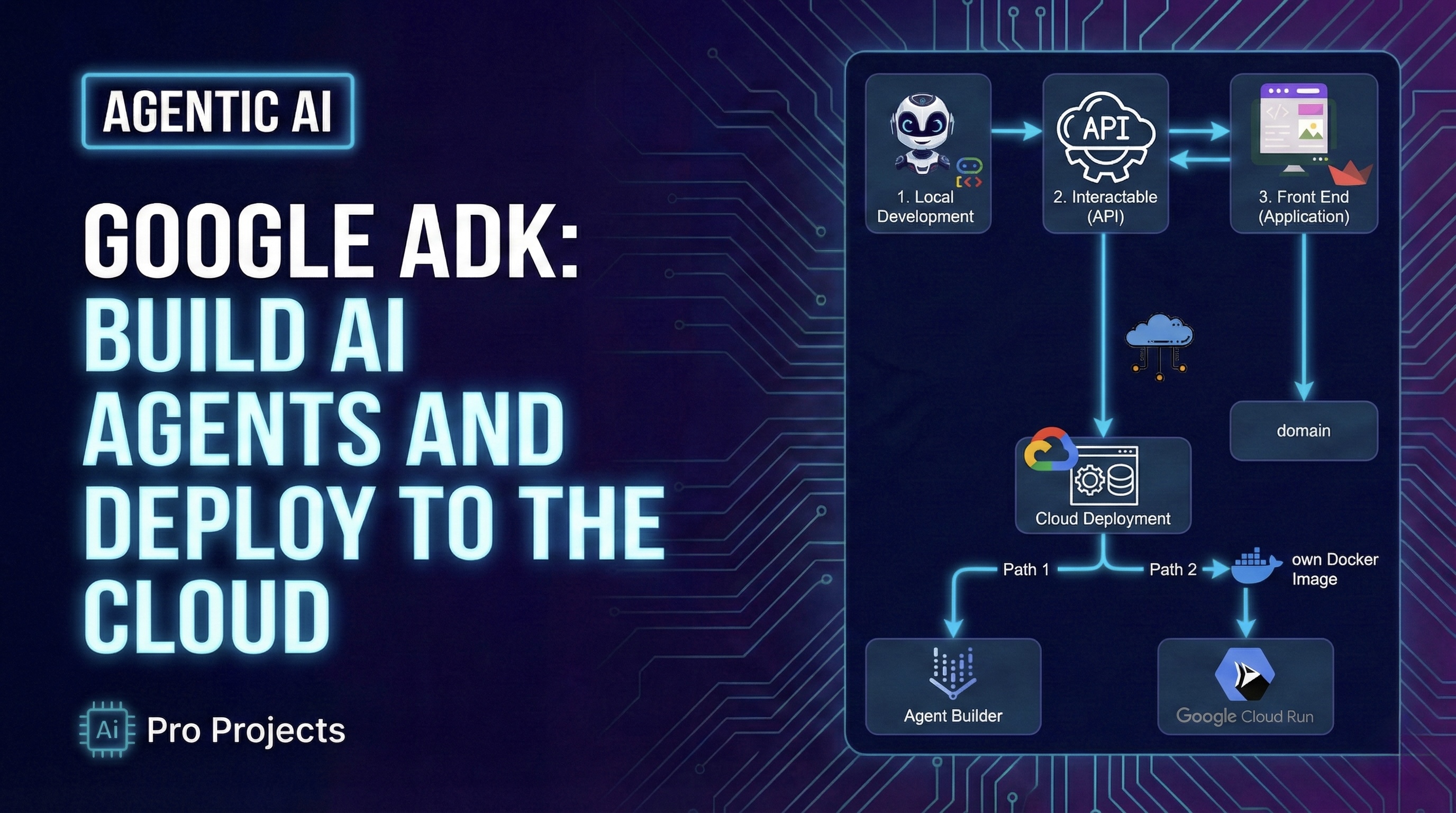
Google ADK: Build AI Agents and Deploy to the Cloud
This project guides you through end-to-end AI agent development using Google's Agent Development Kit (ADK). You'll learn to build agents, expose them via REST APIs, create a Streamlit frontend, and deploy them to Google Cloud Run, resulting in a fully functional and production-ready AI agent application.
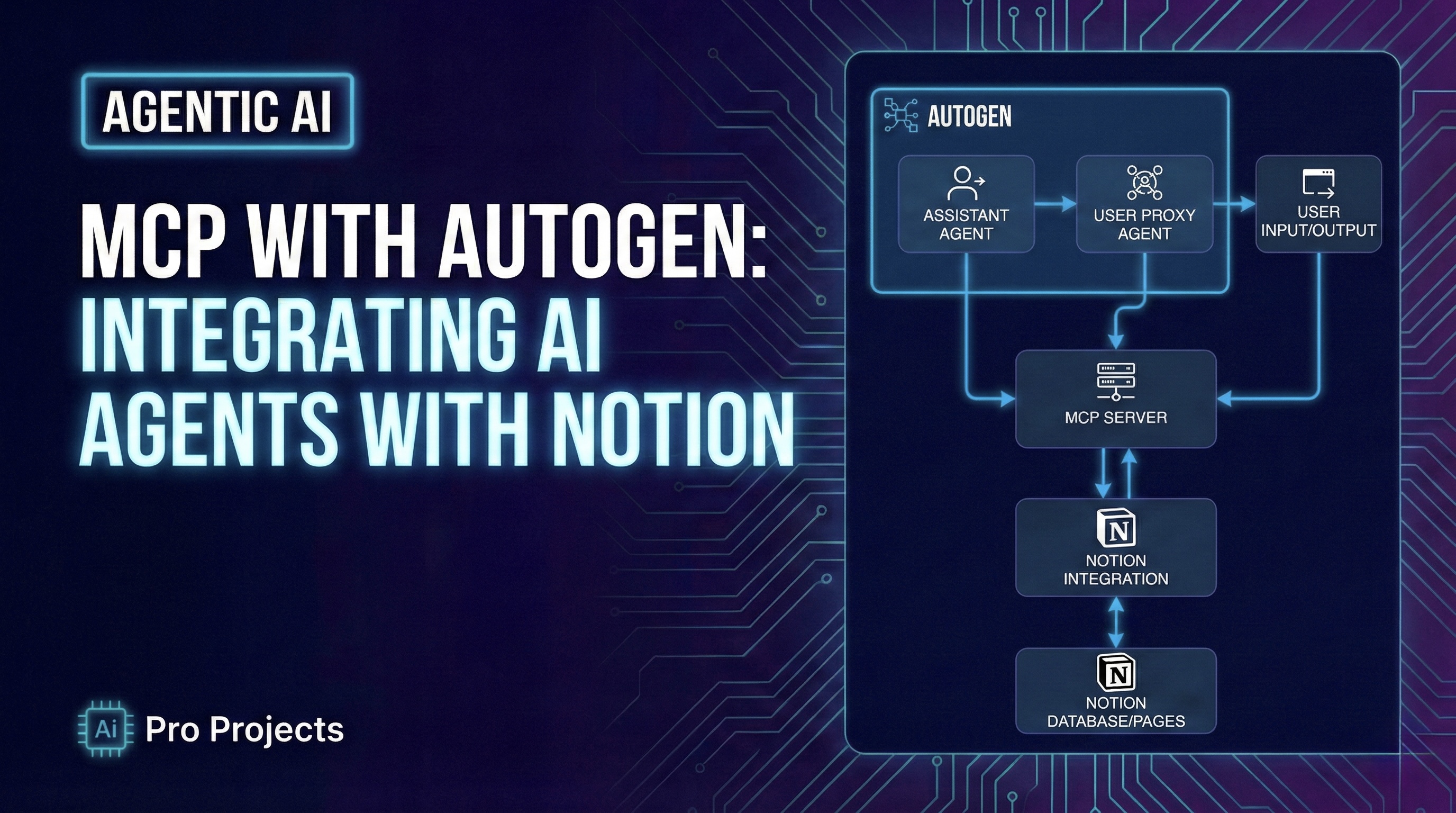
MCP with AutoGen: Integrating AI Agents with Notion
This project demonstrates how to leverage the Model Context Protocol (MCP) to connect AutoGen agents with Notion, enabling natural language control of Notion workspace operations. You'll build a Flask API, expose it via ngrok, and create an end-to-end workflow for AI agents to create pages, search content, and manage data within Notion.
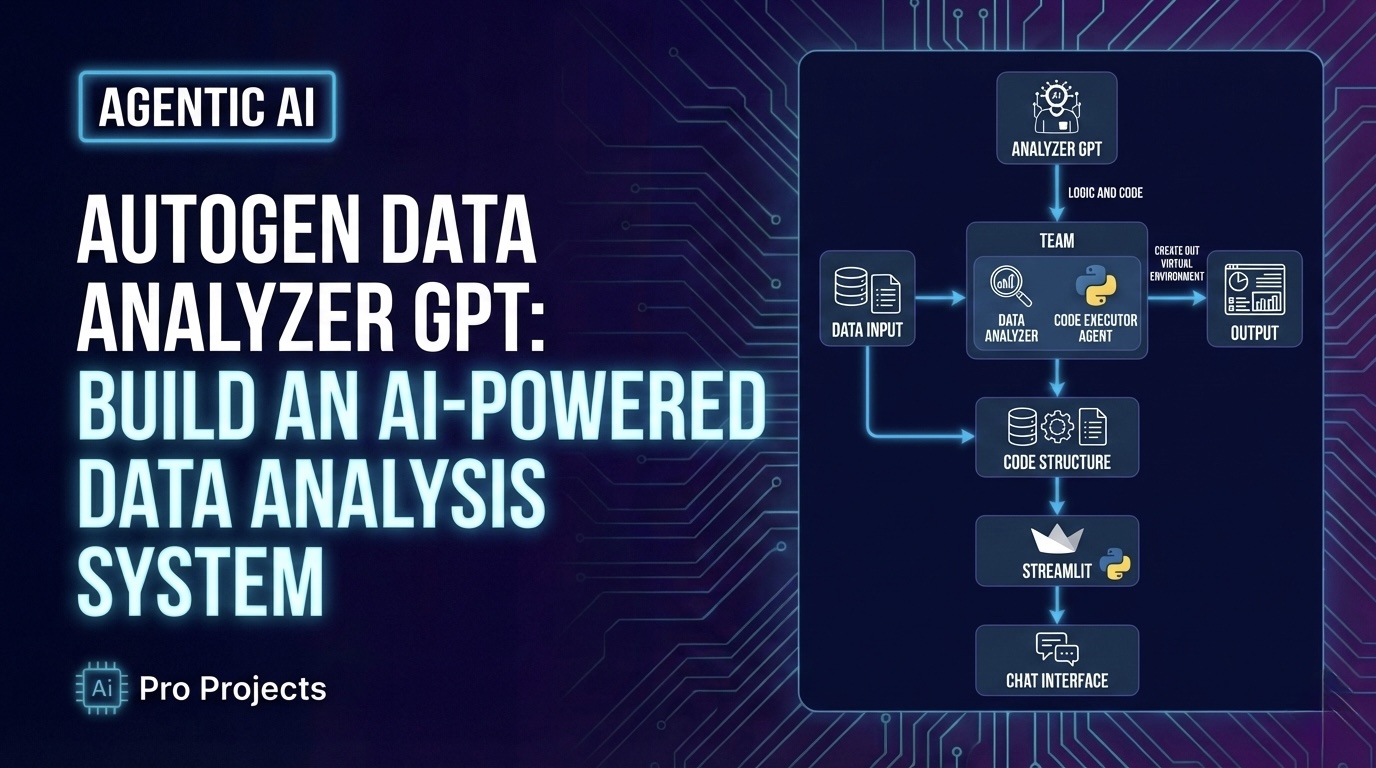
AutoGen Data Analyzer GPT: Build an AI-Powered Data Analysis System
Build an automated data analysis system leveraging Microsoft's AutoGen framework to create a team of specialized AI agents. This project guides you through processing CSV data, generating visualizations, and producing comprehensive reports using natural language queries.
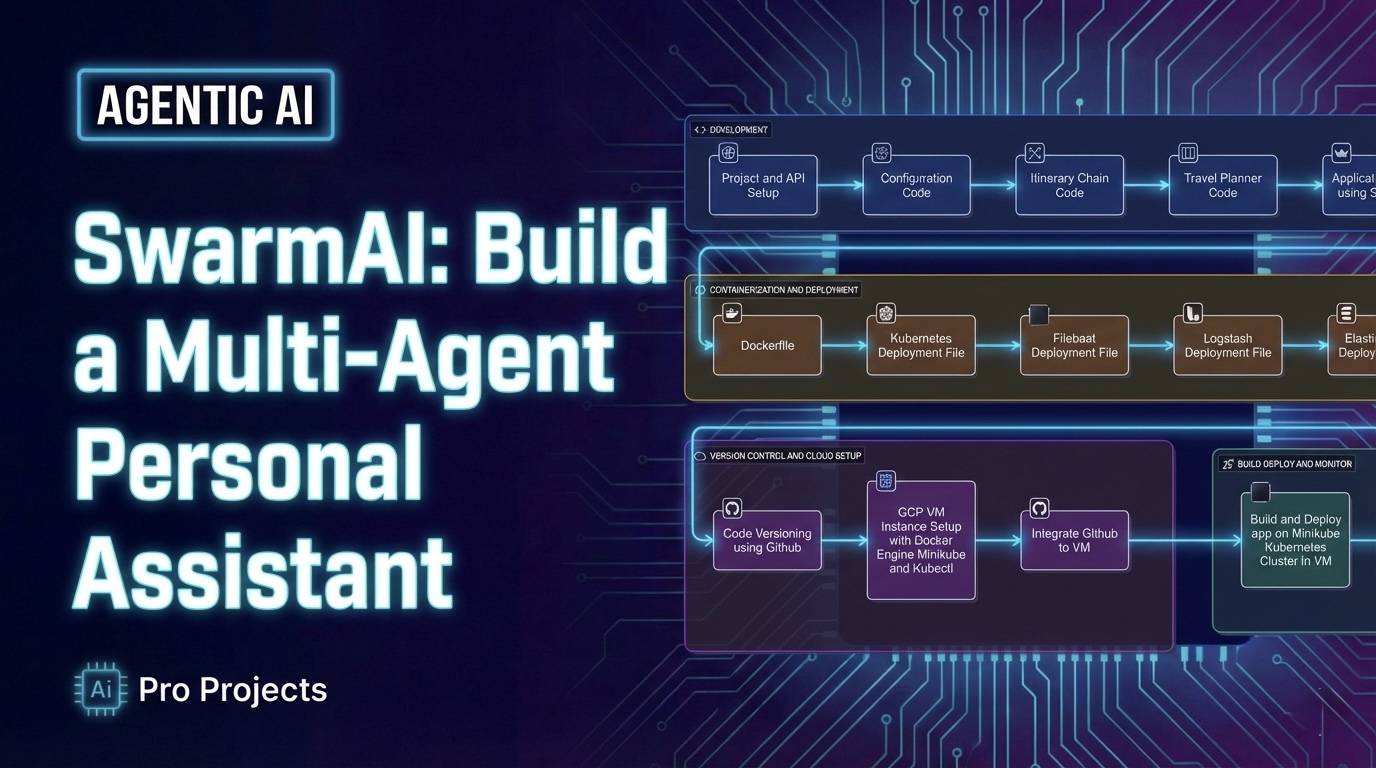
SwarmAI: Build a Multi-Agent Personal Assistant
Develop a sophisticated AI-powered personal assistant using a multi-agent architecture, where specialized agents collaborate to handle tasks like email management, calendar scheduling, research, and travel planning. This project integrates with real-world APIs and is accessible through web, Telegram, and voice interfaces, built on the n8n visual workflow automation platform.
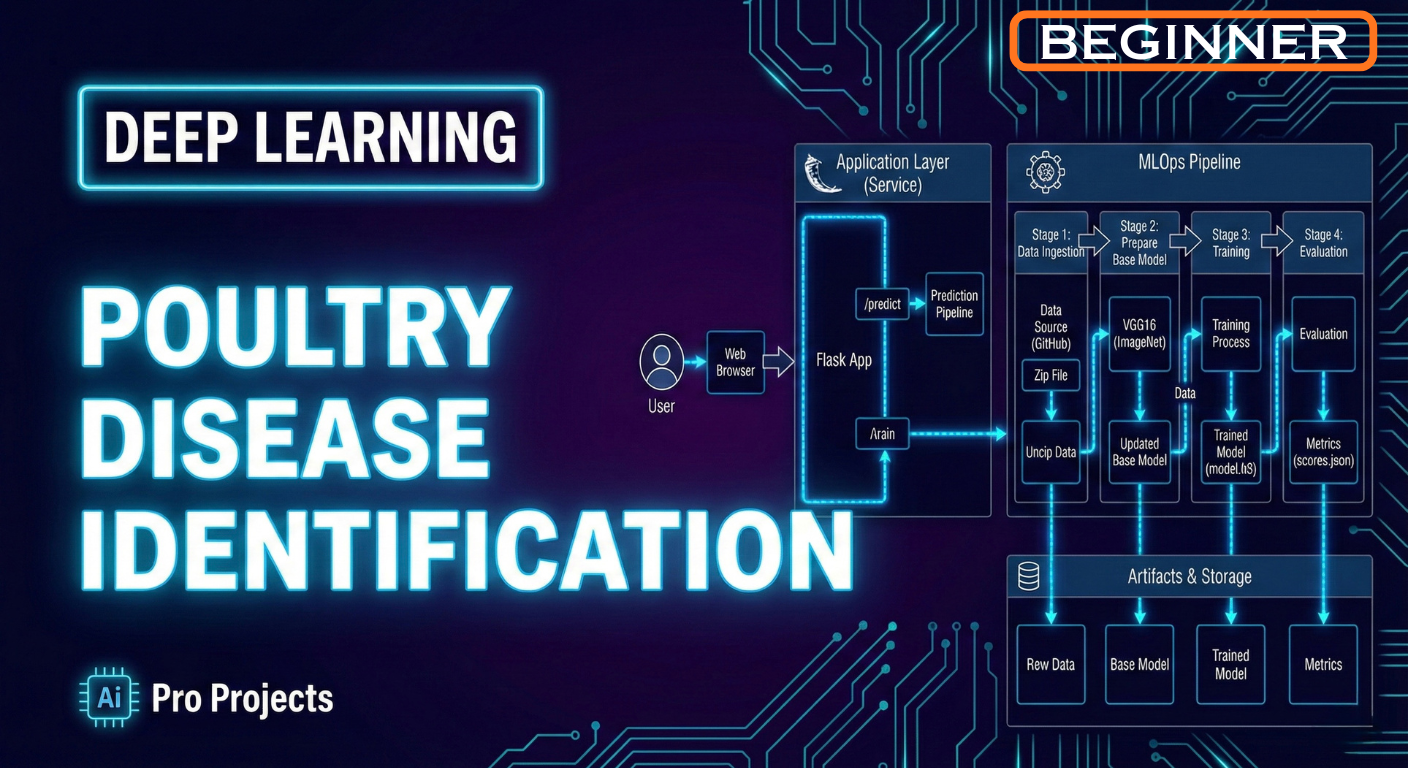
Poultry Disease Identification
Poultry diseases pose a significant threat to both the health of birds and the overall production efficiency of poultry farms. Early identification of these diseases through fecal analysis is essential for implementing timely interventions. This process not only helps in maintaining flock welfare but also enhances productivity, ensuring a healthier farm ecosystem.
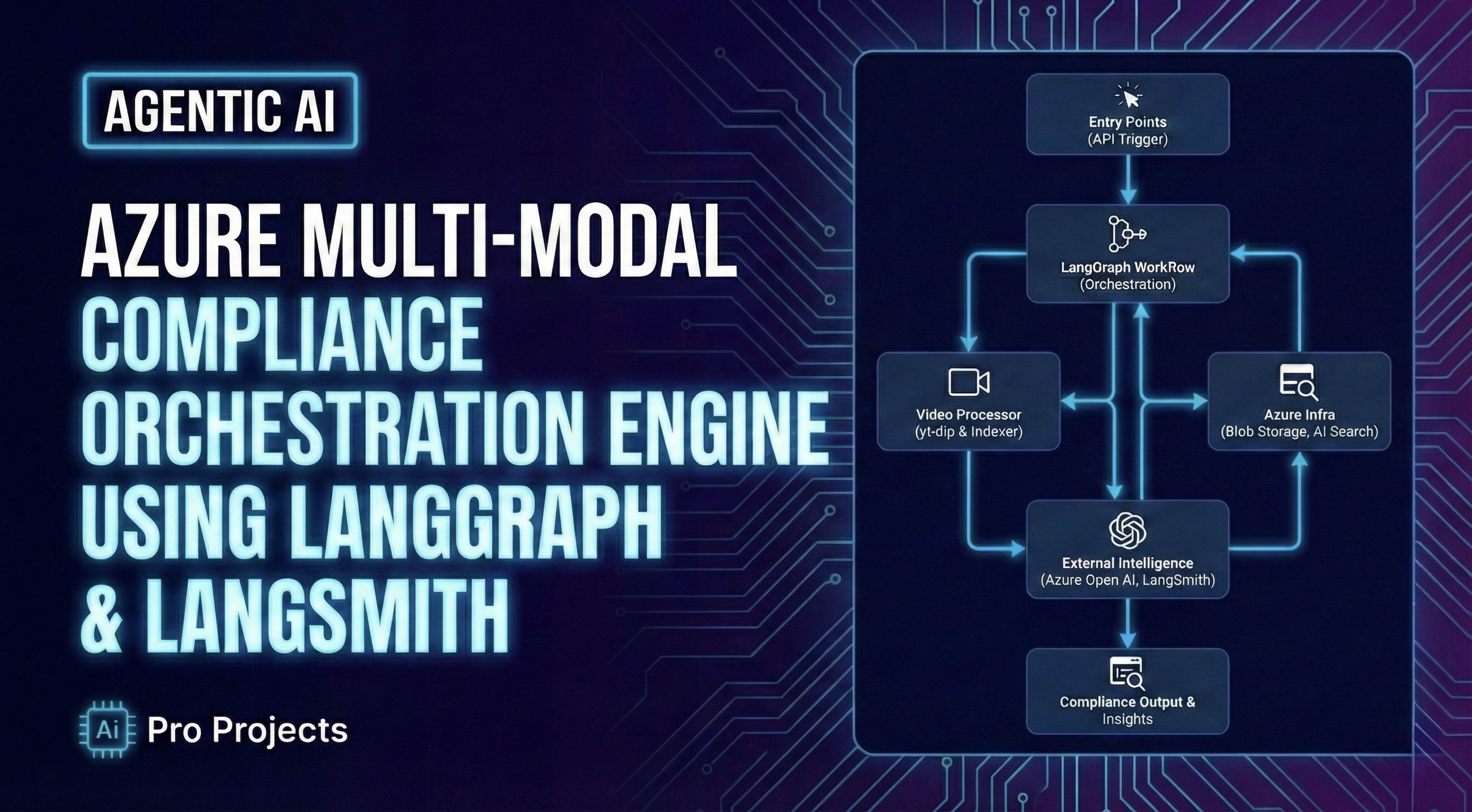
Azure Multi-Modal Compliance Orchestration Engine using LangGraph and LangSmith
This project establishes an automated Video Compliance QA Pipeline orchestrated by LangGraph, designed to audit content against regulatory standards using a RAG architecture. We leverage Azure Video Indexer for multimodal ingestion (transcripts/OCR) and Azure AI Search to retrieve relevant compliance rules via Azure OpenAI Embeddings. The core reasoning engine, Azure OpenAI (GPT-4o), synthesizes this data to deterministically detect violations, while LangSmith provides granular tracing for LLM workflow optimization. Additionally, Azure Application Insights is integrated for production-grade telemetry, logging, and real-time performance monitoring. This end-to-end system transforms unstructured video into structured, actionable JSON compliance reports with deep full-stack observability.
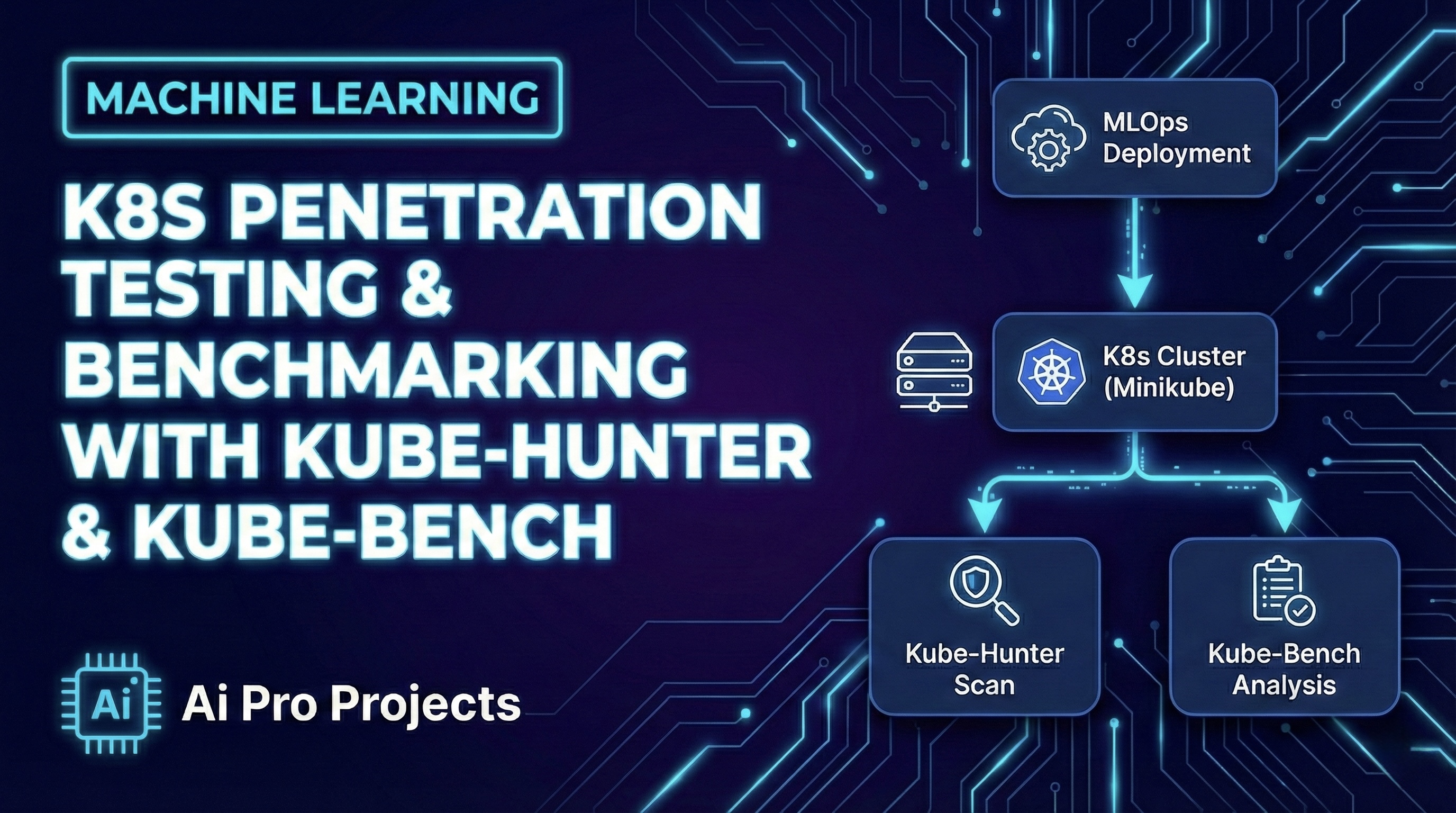
Kubernetes Penetration Testing and Benchmarking with KubeHunter & KubeBench
This project evaluates the security of an MLOps-based machine learning application deployed on a Minikube Kubernetes cluster inside a VM. Intentional vulnerabilities were added to the Deployment and RBAC configurations to simulate real-world weaknesses. KubeHunter was used to detect these security issues, while KubeBench measured the cluster’s compliance against CIS Kubernetes security benchmarks. Together, the tools provided insight into vulnerabilities and hardening requirements for secure Kubernetes deployments.
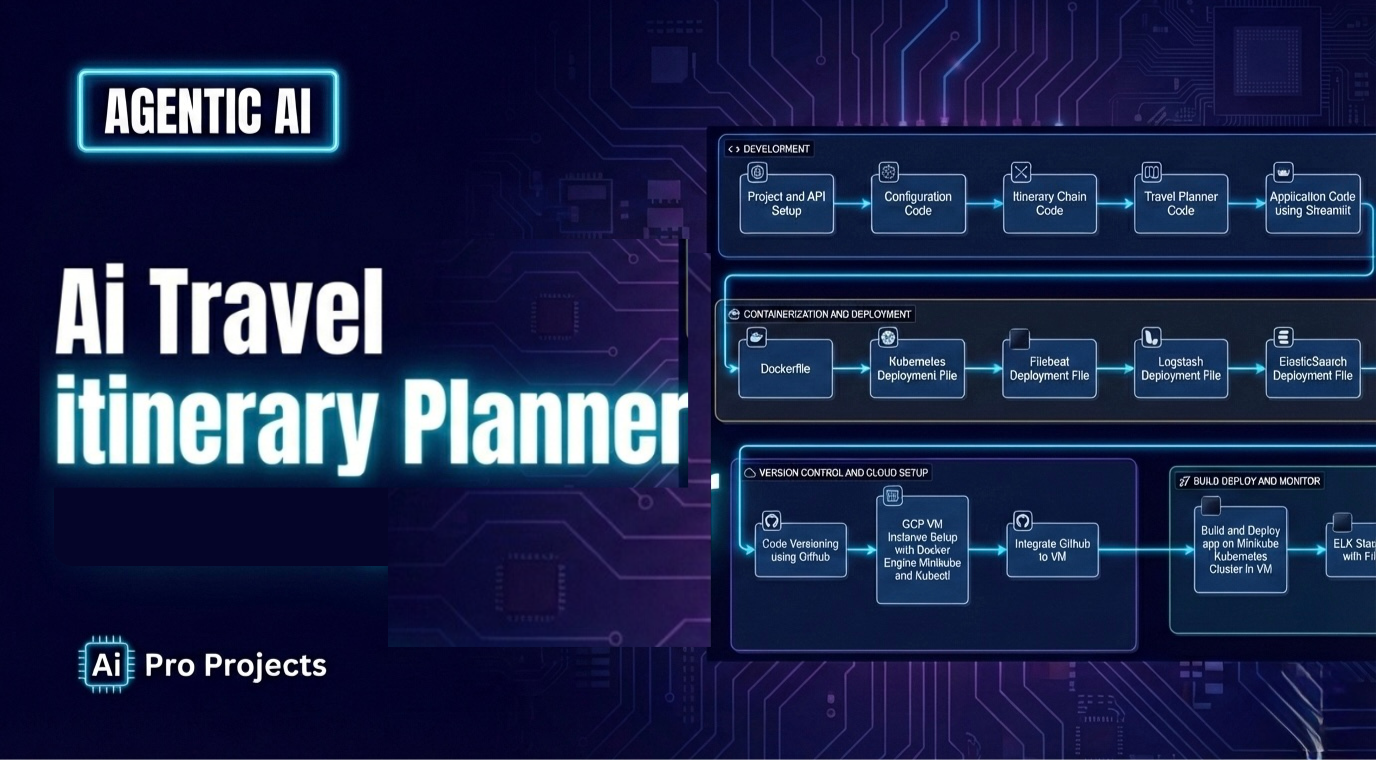
AI Travel Planner with GCP, ELK Stack and Deep Eval
The AI-Powered Travel Itinerary Planner is a web application that utilizes Large Language Models and real-time search tools to automatically generate personalized travel itineraries. It offers a streamlined and efficient way for travelers to create detailed, day-by-day plans tailored to their specific preferences, destinations, and travel styles, showcasing a complete LLMOps pipeline deployed on GCP CLoud.
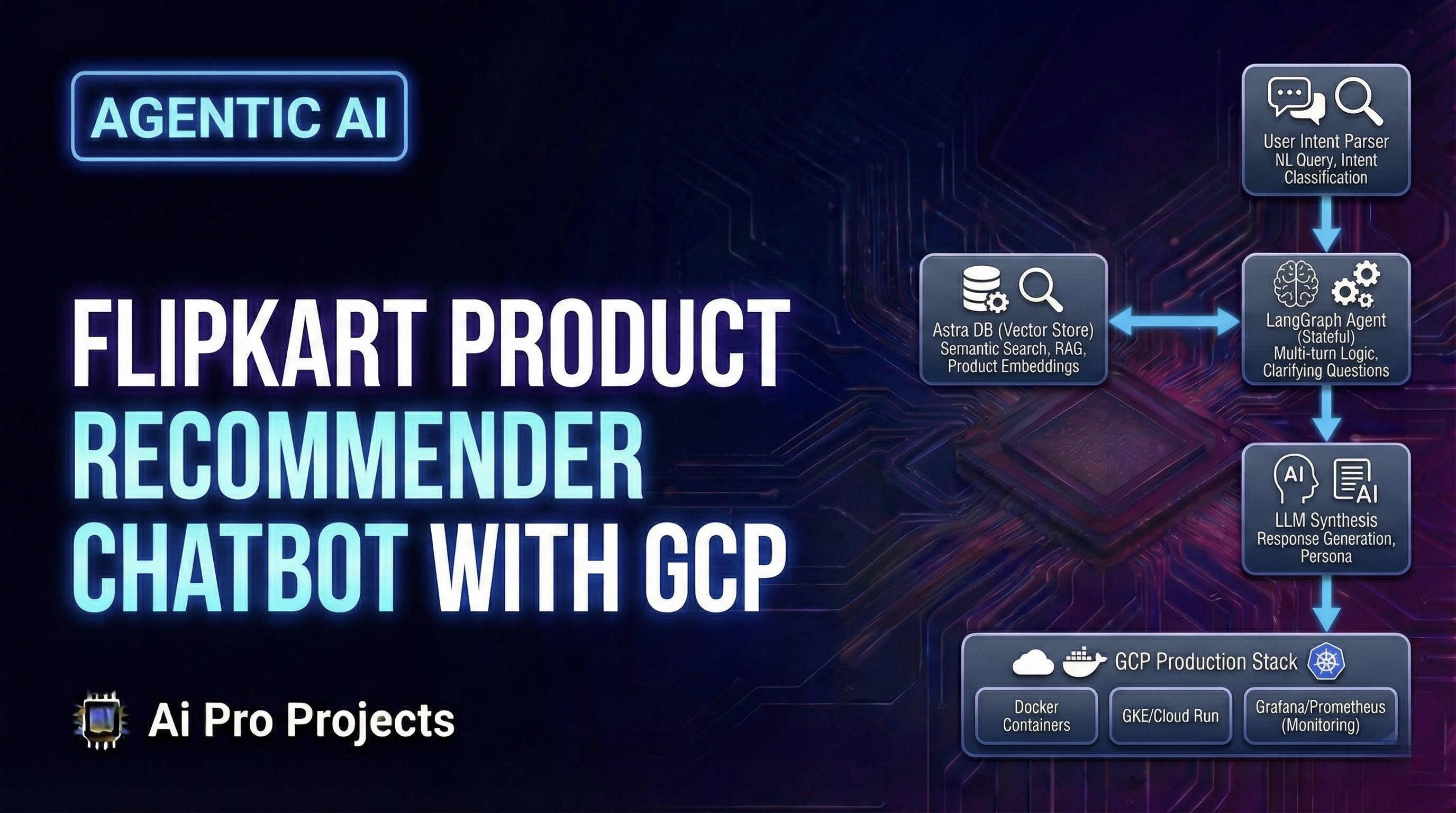
Flipkart Product Recommender Chatbot with GCP
Develop a Flipkart Product Recommender Chatbot using Retrieval-Augmented Generation (RAG) to provide accurate, context-aware product recommendations based on a specific dataset. The system leverages LangChain and LangGraph within a containerized microservices architecture for scalability and observability.
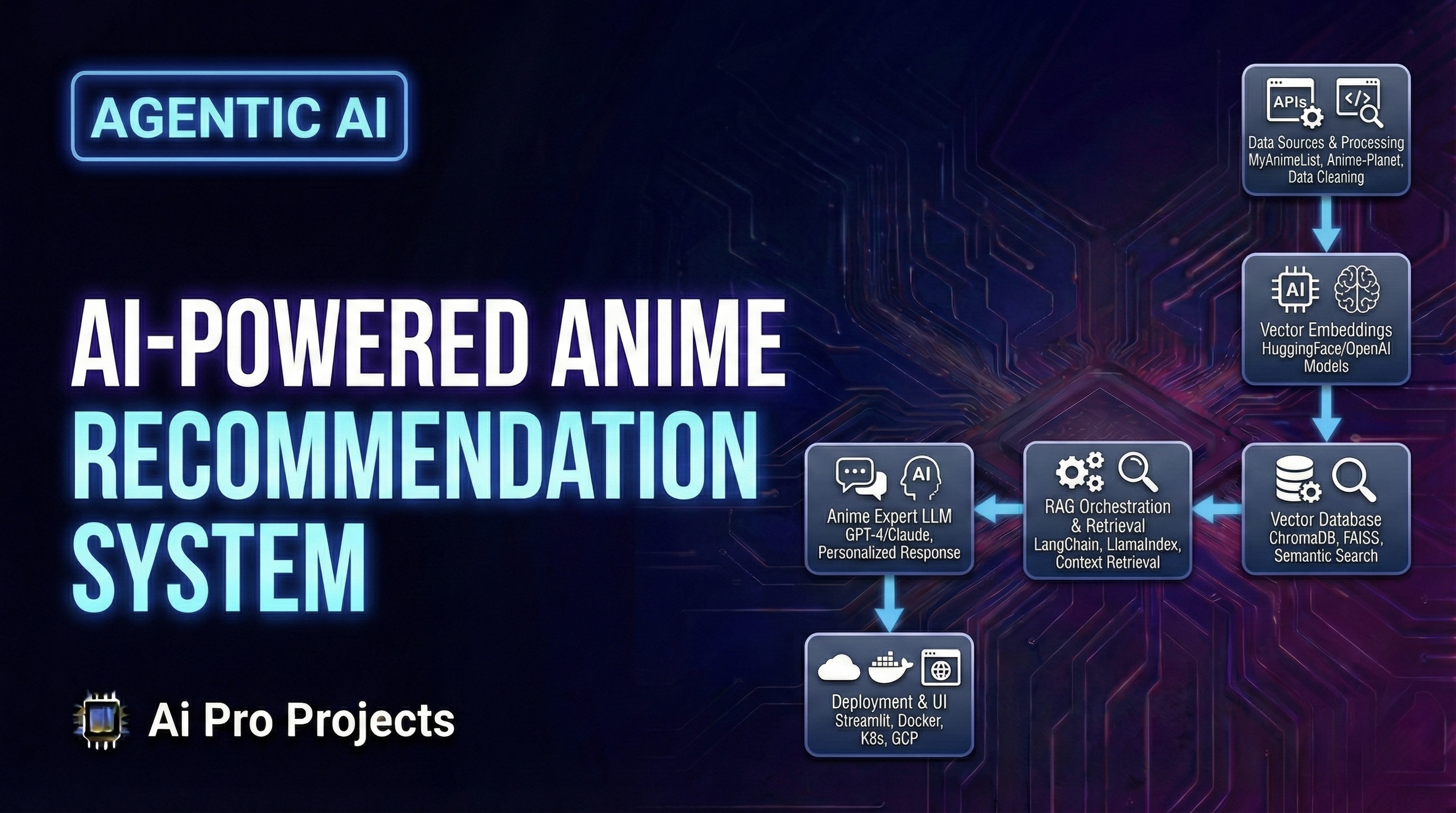
Ai-Powered Anime Recommendation System
AI-powered anime recommendation system that provides personalized suggestions based on natural language queries. By leveraging Retrieval-Augmented Generation (RAG) and LLM as JUDGE evaluation, it understands user preferences and retrieves relevant anime from a semantic knowledge base to offer a conversational and discovery-rich experience everything traced on Langsmith , deployed via kubernetes on GCP cloud.
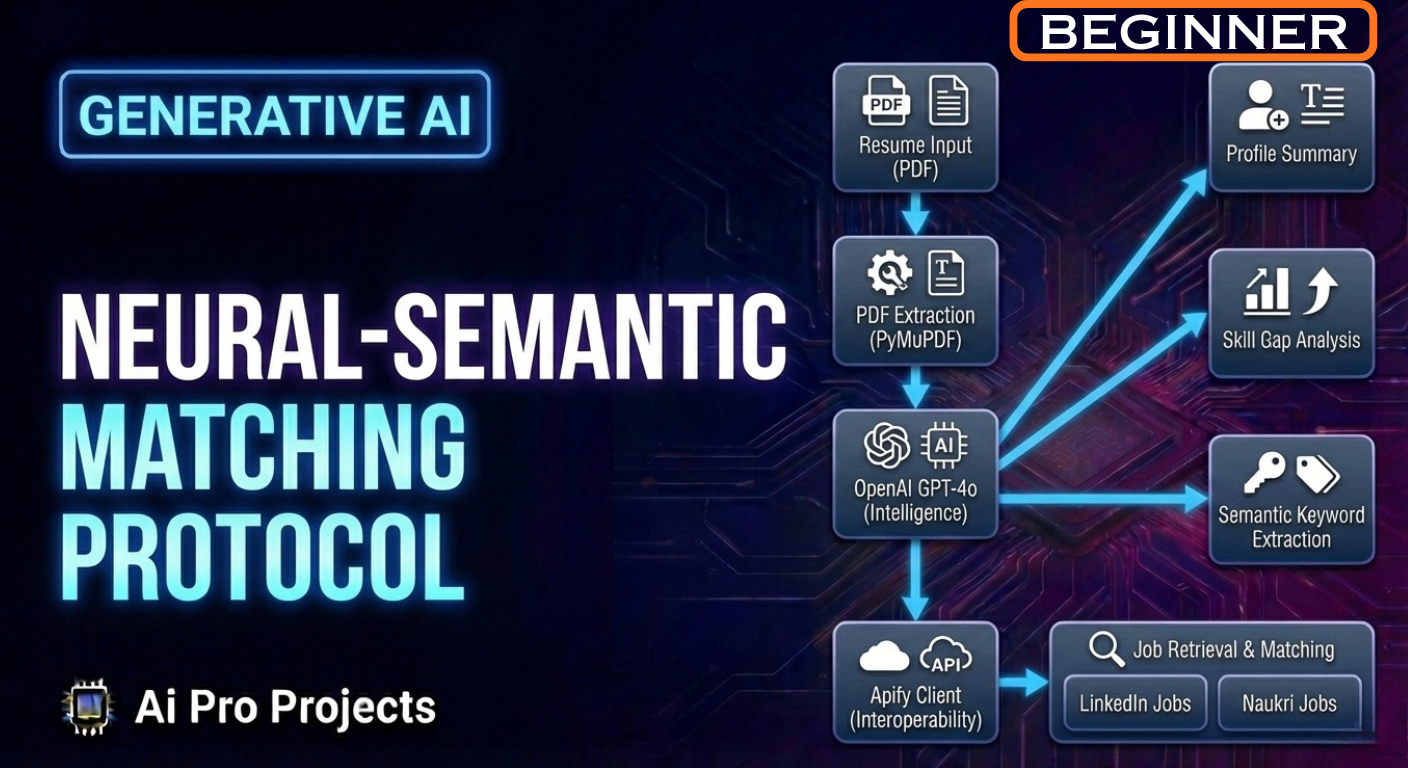
Neural-Semantic Matching Protocol for Real-Time Job Interoperability
A Neural-Semantic Matching Protocol for Real-Time Job Market Interoperability is a high-tech framework designed to connect the right people to the right jobs instantly and accurately. It moves away from old-school "keyword matching" (where a computer just looks for the word "Python" on a resume) and instead uses artificial intelligence to understand the actual meaning and context of a person's career and a company's needs. Neural-semantic matching protocols aim to enhance real-time interoperability in the job market, connecting job seekers with suitable opportunities more efficiently and effectively. By leveraging the combined power of Large Language Models (LLMs) and the Model Context Protocol (MCP), neural-semantic matching protocols revolutionize job market interoperability.
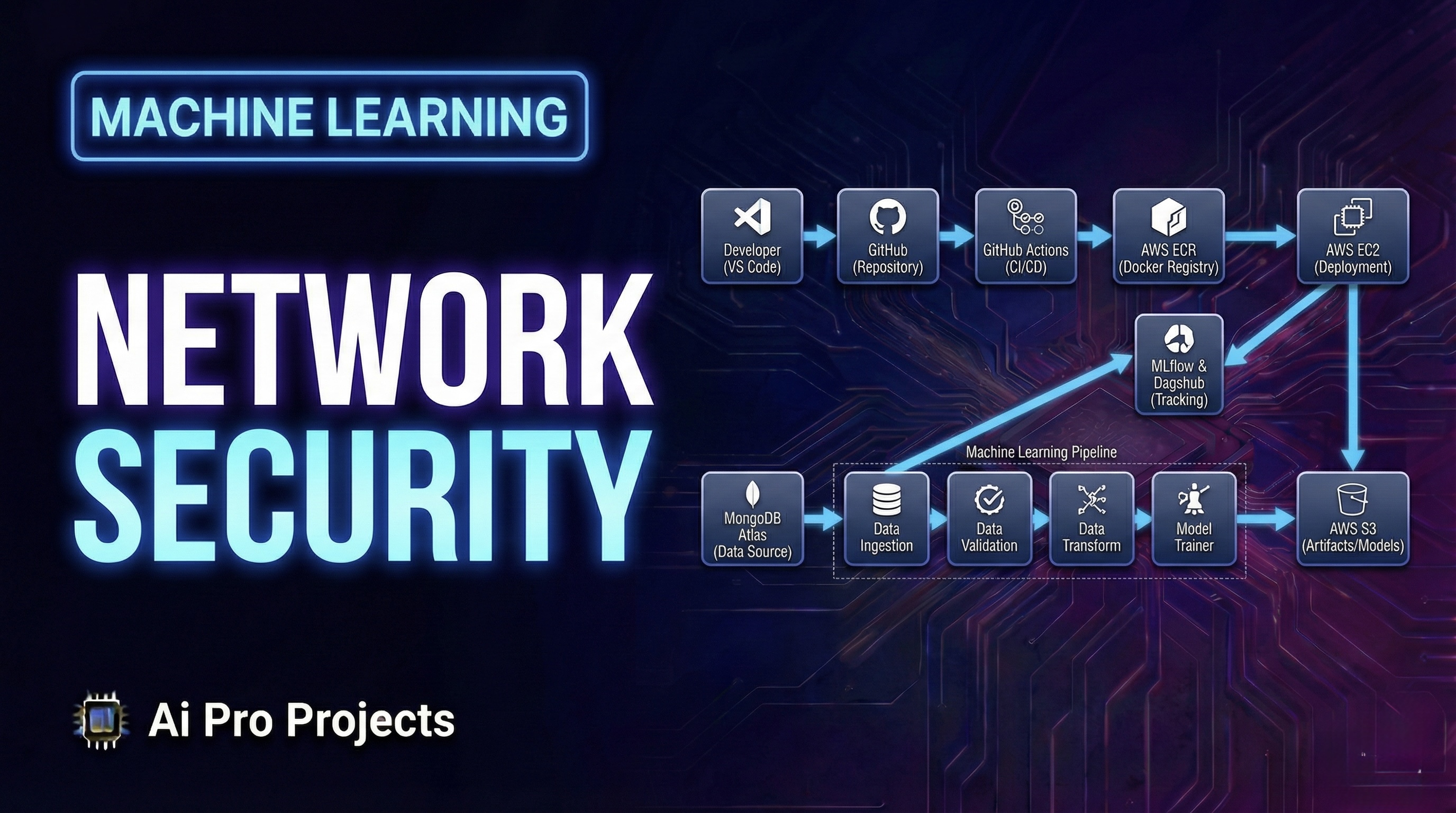
Network Security
In this comprehensive project, you will step into the shoes of a Senior ML Engineer. You won't just train a model; you will architect a robust, scalable system to detect network security threats. You will abandon ad-hoc scripting and adopt professional workflows, starting with a structured development environment and rigorous Data Engineering (ETL) pipelines. You will implement a complete MLOps workflow. This includes tracking experiments with MLflow and Dagshub to ensure reproducibility. You will effectively manage data using MongoDB Atlas and automate the flow of data using ingestion and transformation pipelines.
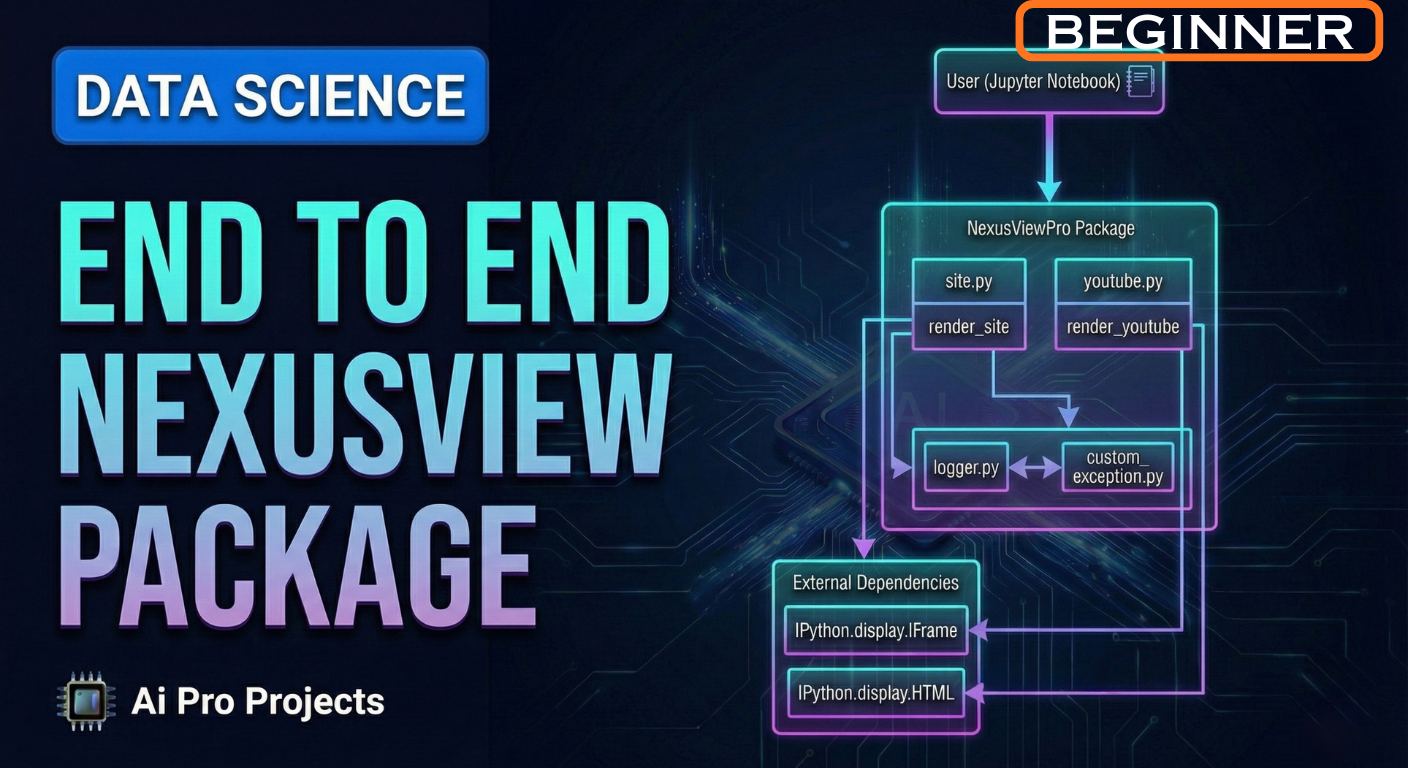
End to End NexusView Package
NexusViewPro is a lightweight Python library designed for Data Scientists and Jupyter Notebook users. It addresses the need to view external documentation, tutorials, or live websites without leaving the coding environment. By seamlessly rendering HTTPS websites and embedding YouTube videos directly within .ipynb cells (Jupyter Notebook, JupyterLab, Google Colab), it streamlines the workflow and keeps the focus on code.
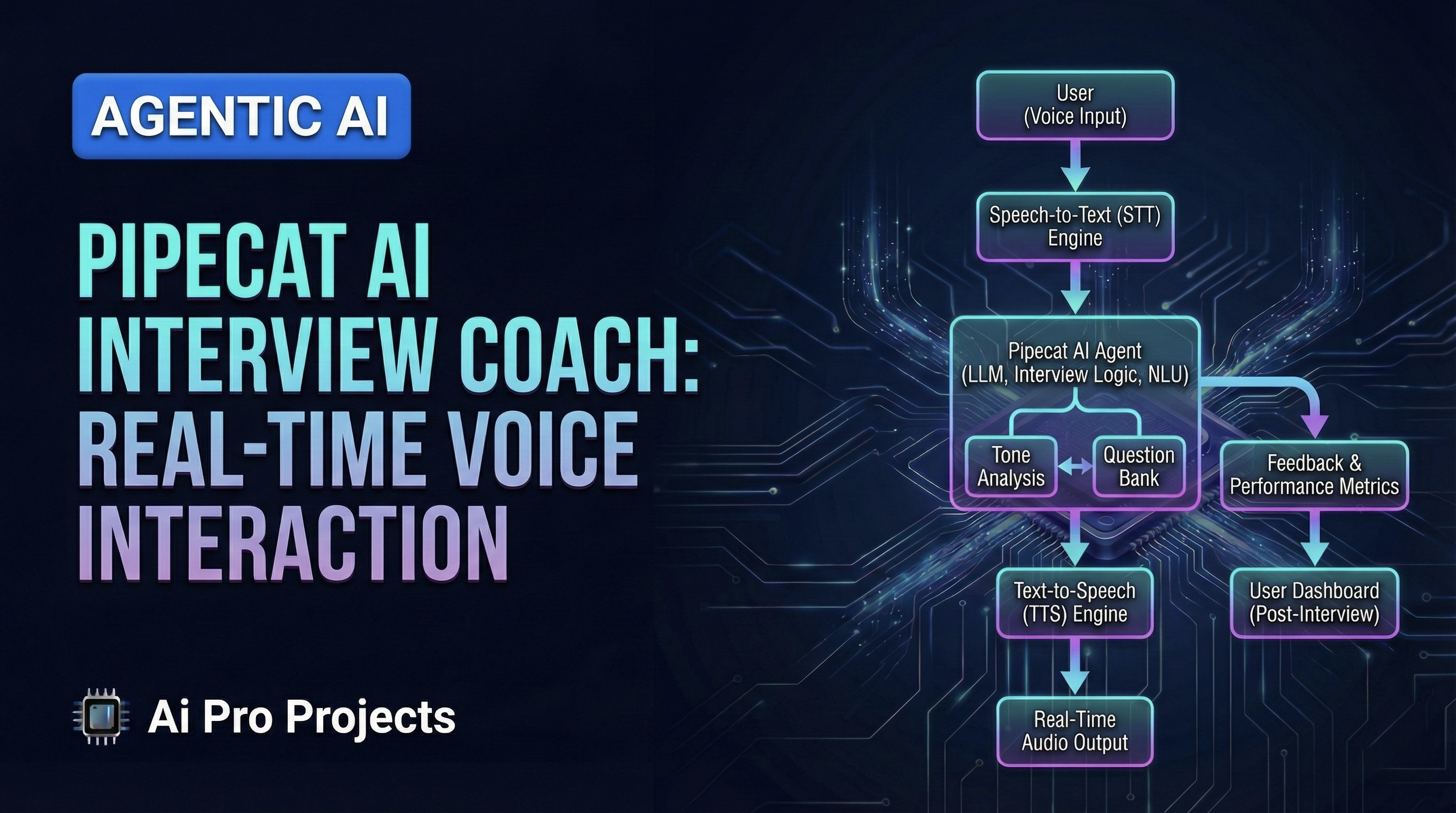
Pipecat AI Interview Coach: Real-Time Voice Interaction
Develop a real-time AI-powered interview practice coach using voice interaction. This project involves building a full-stack system where users can practice interviews with an AI interviewer, receive intelligent feedback, and interact with an animated avatar.
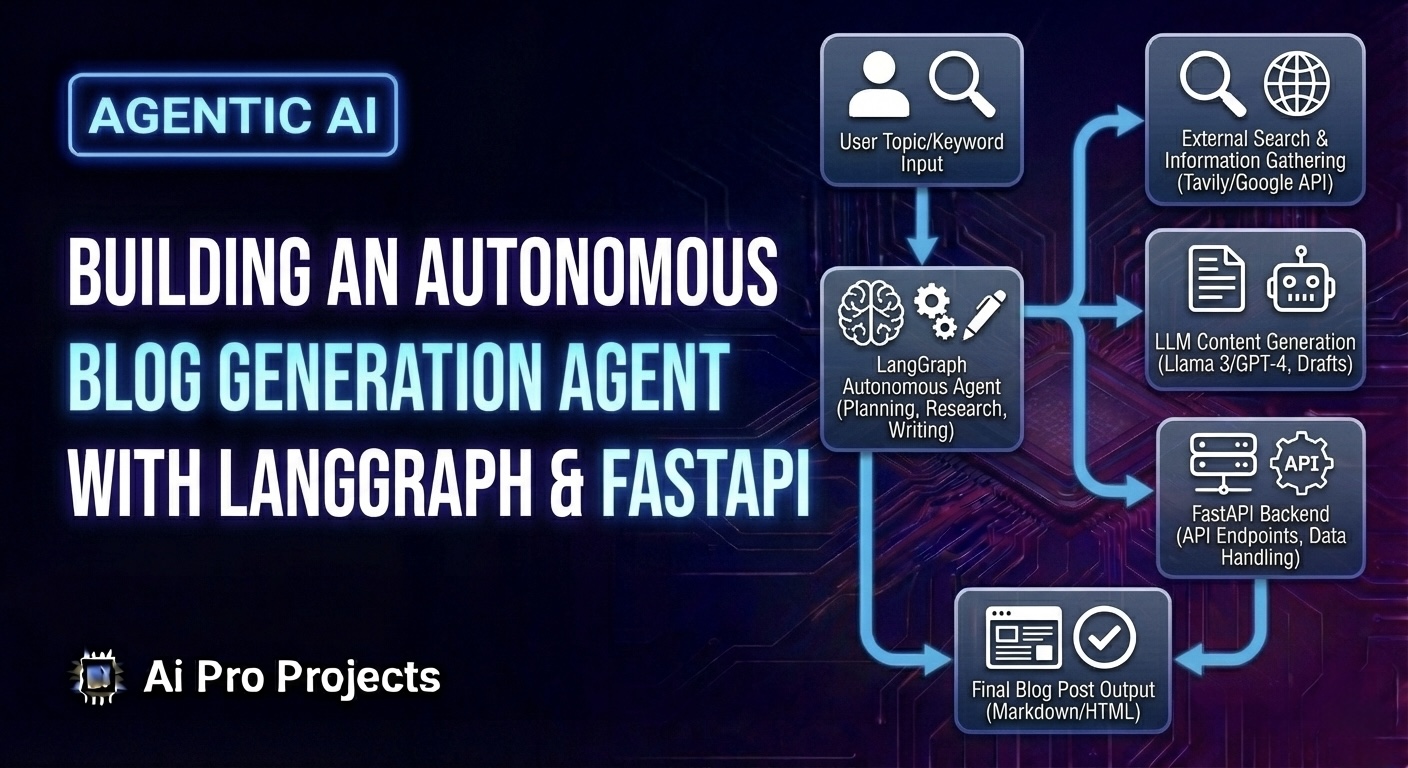
Building an Autonomous Blog Generation Agent with Langgraph & FastAPI
Build a robust content generation engine that automates blog creation from topics or video transcripts. This project focuses on creating a Directed Acyclic Graph (DAG) architecture using LangGraph, where specialized agents handle specific tasks such as title brainstorming and content generation, and a router manages translation workflows.
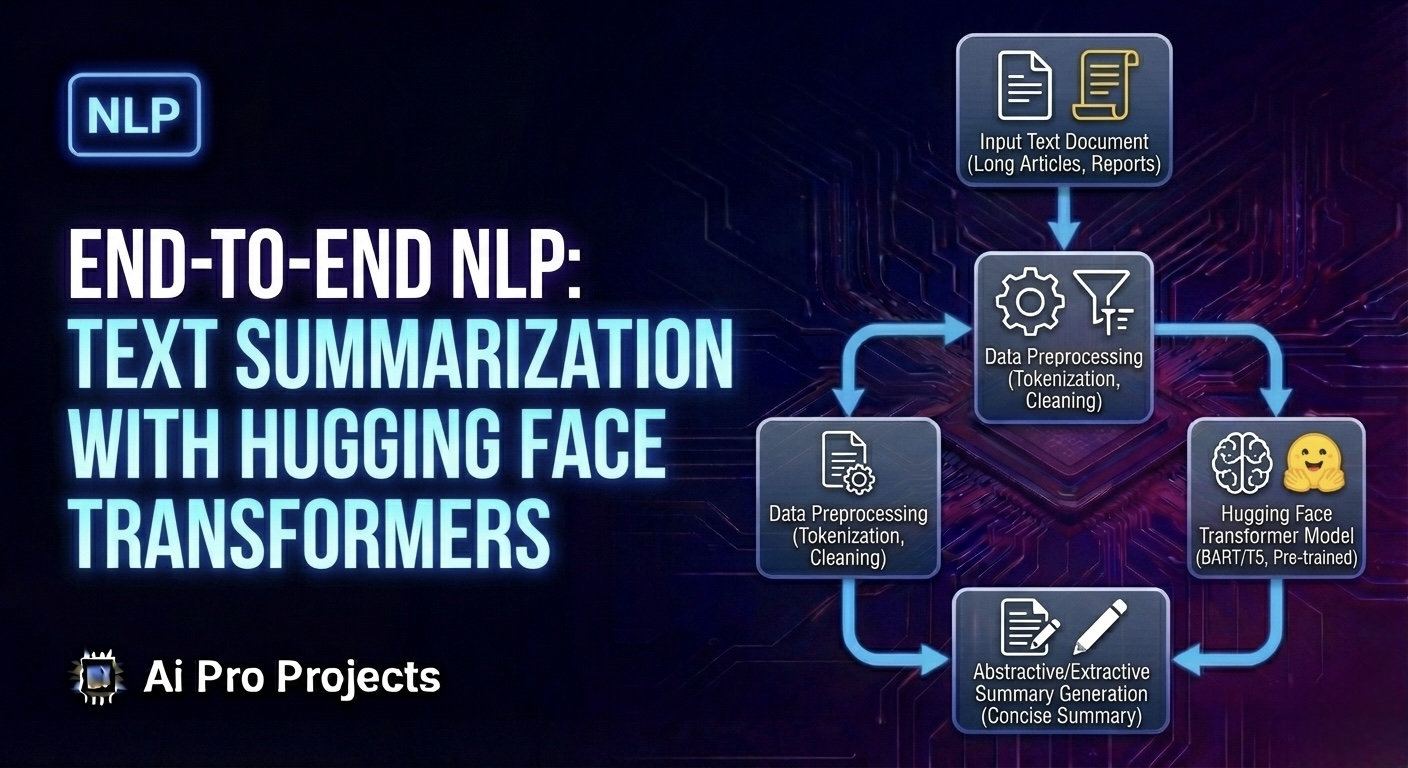
End-to-End NLP: Text Summarization with Hugging Face Transformers
Develop a complete text summarization system from scratch, focusing on summarizing complex dialogues using the SAMSum dataset. This project emphasizes professional NLP pipelines, fine-tuning state-of-the-art models like Google Pegasus, and implementing modular Python code for maintainability and scalability.
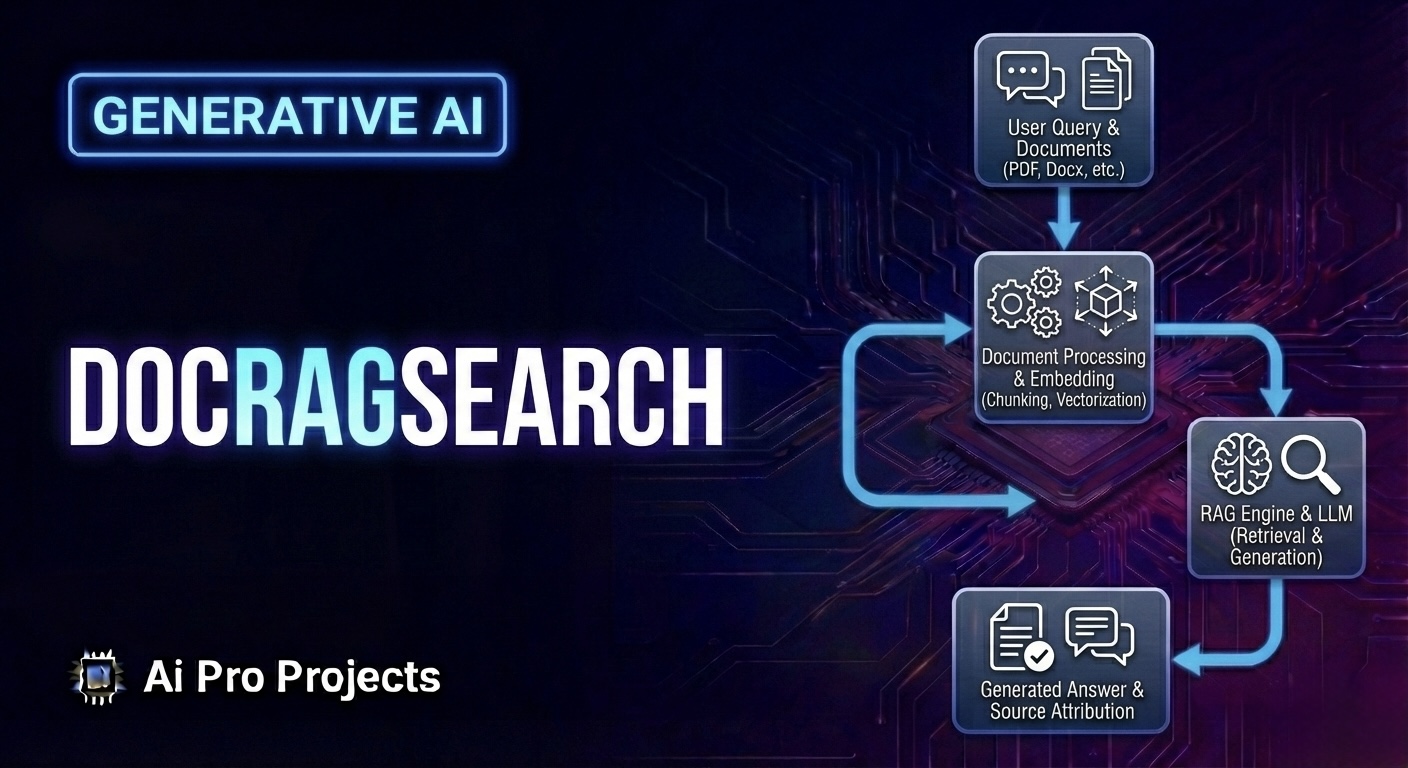
RAG-Based Document Search Application
Develop an end-to-end Retrieval-Augmented Generation (RAG) system to create a 'Document Search' application, enabling users to chat with their own data from PDFs and text files. This project emphasizes modular coding for production-ready AI applications, utilizing UV for environment setup and comprehensive data lifecycle management.
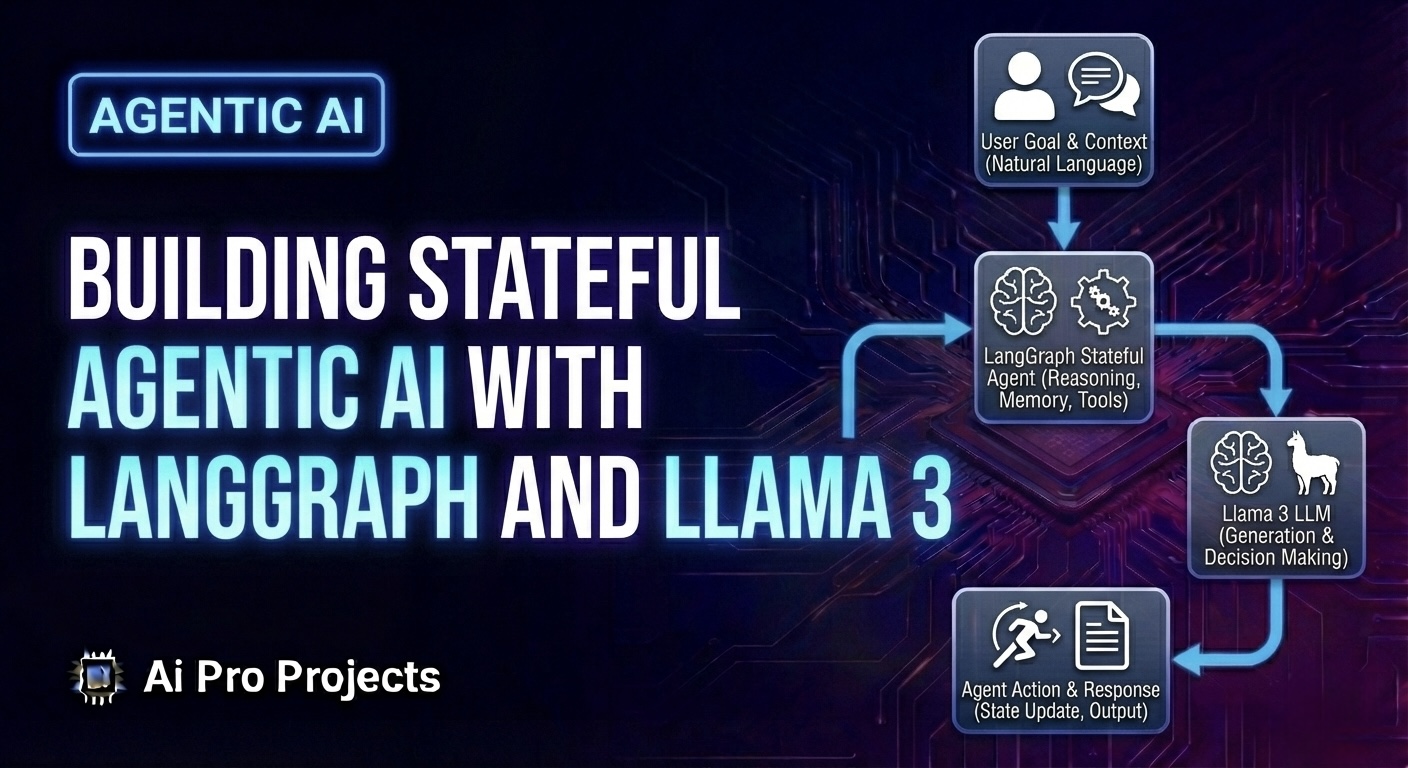
Building Stateful Agentic AI with LangGraph and Llama 3
Develop a production-ready Stateful Agentic AI System that remembers, reasons, and deploys tools using LangGraph and Groq. This project involves building a modular application with a Basic Chatbot, a Tool-Augmented Agent, and an AI News Aggregator, emphasizing end-to-end implementation and professional deployment.
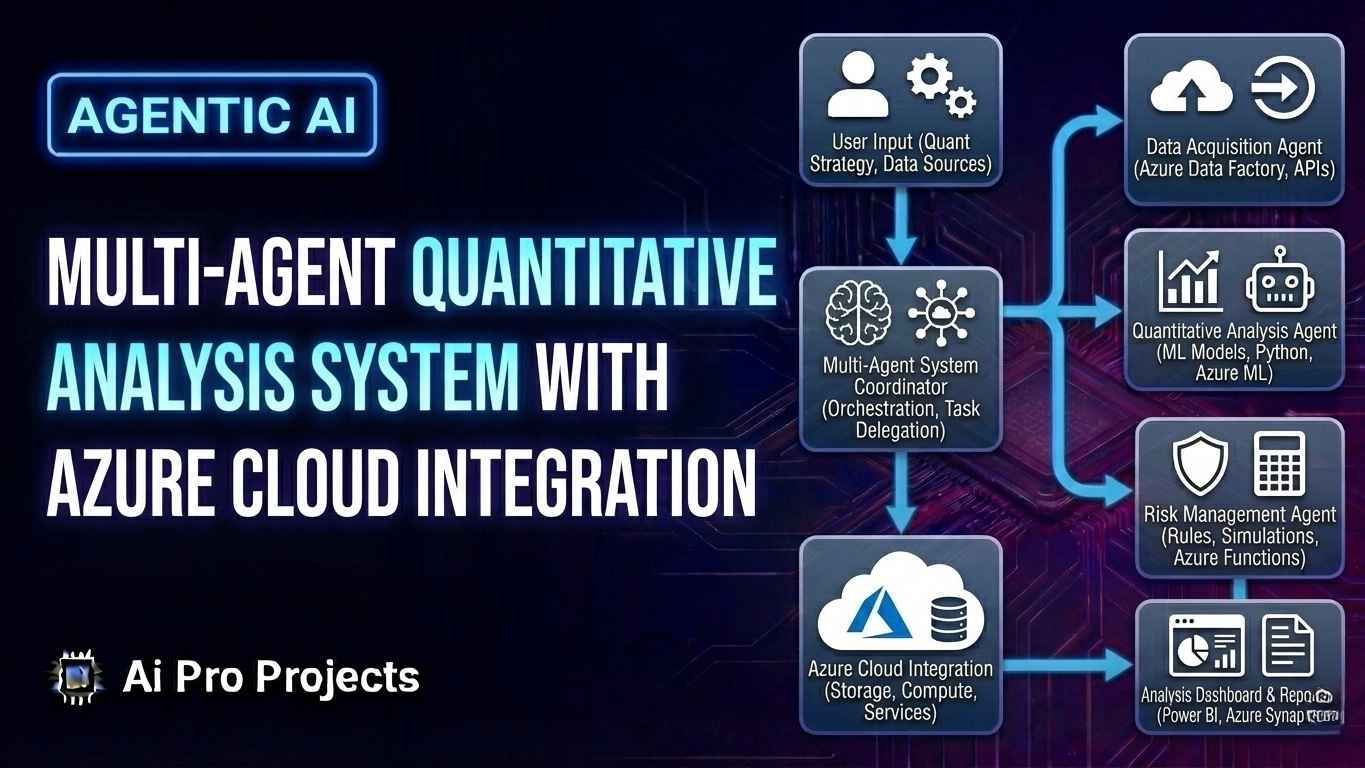
Multi-Agent Quantitative Analysis System with Azure Cloud Integration
Build a production-ready Multi-Agent Quantitative Analyst system where autonomous AI agents collaborate to scrape market data, analyze trends, and generate professional investment reports. This full-stack application utilizes FastAPI for backend orchestration, Streamlit for the user interface, and integrates Azure PostgreSQL for transaction metadata logging and Azure Blob Storage for report archiving.
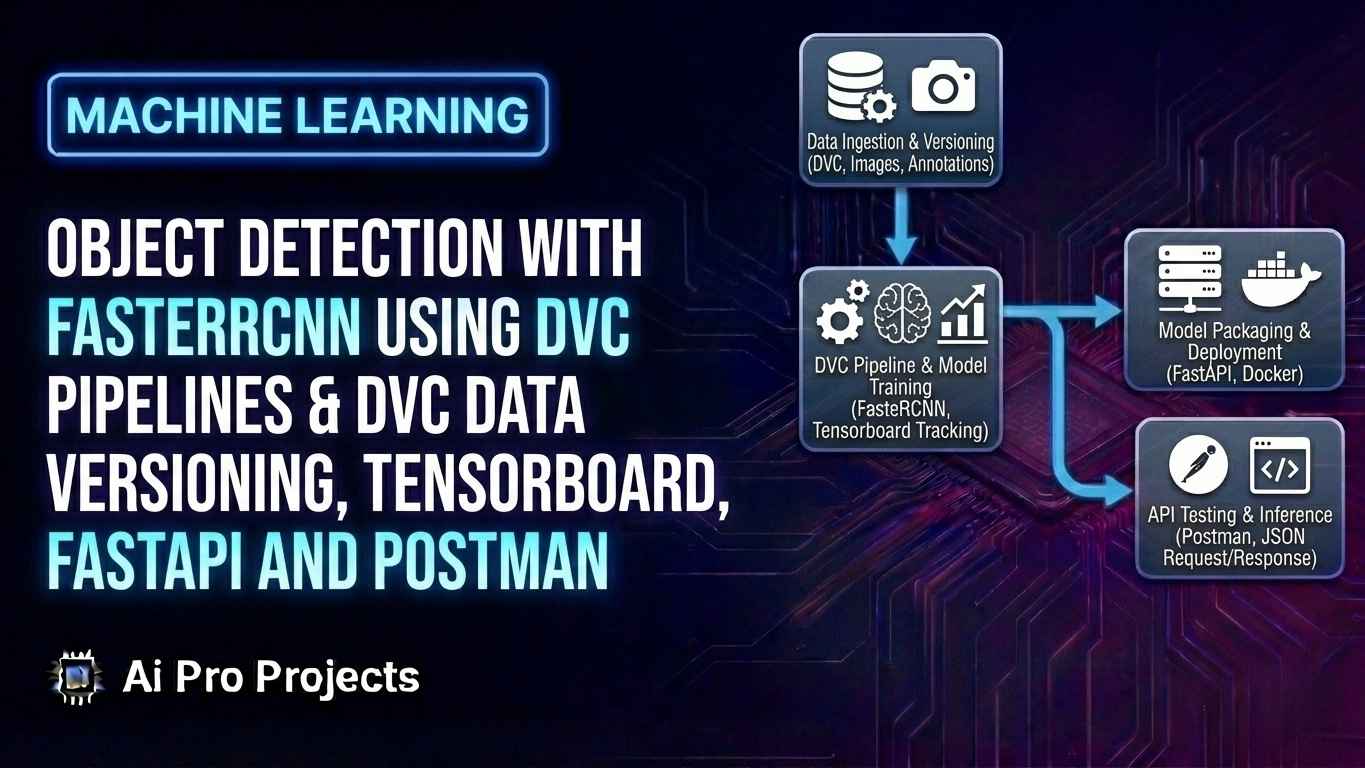
Object Detection with FasterRCNN using DVC Pipelines & DVC Data Versioning, Tensorboard, FastAPI and Postman
This project implements an end-to-end object detection workflow using Faster R-CNN, leveraging DVC for reproducible data versioning and automated pipeline orchestration. Training progress and model metrics are visualized through TensorBoard to ensure optimal performance, while the final model is deployed via FastAPI for high-performance inference.
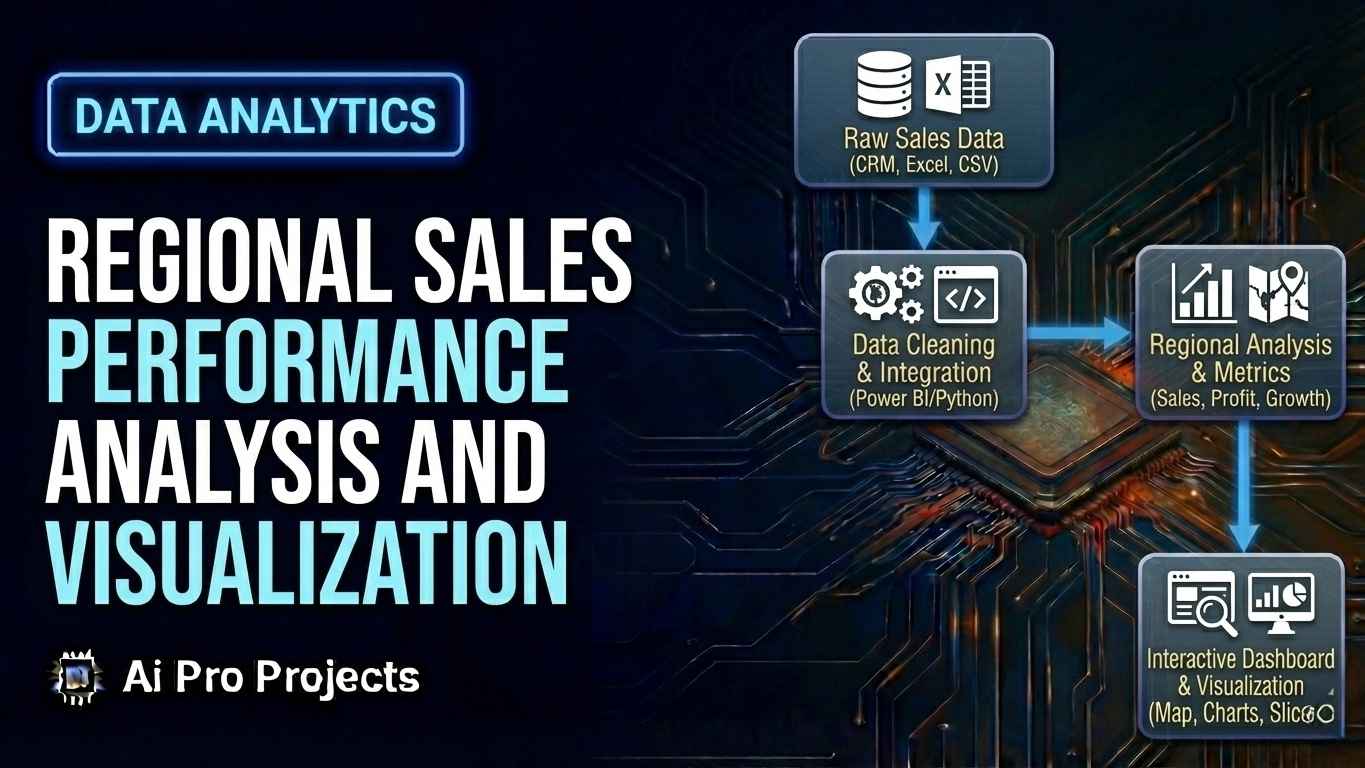
Regional Sales Performance Analysis and Visualization
This project delivers an end-to-end data analytics solution focused on regional sales performance. It encompasses data cleaning, exploratory data analysis (EDA), and interactive dashboard creation using Power BI to provide actionable insights for stakeholders and empower data-driven decision-making.
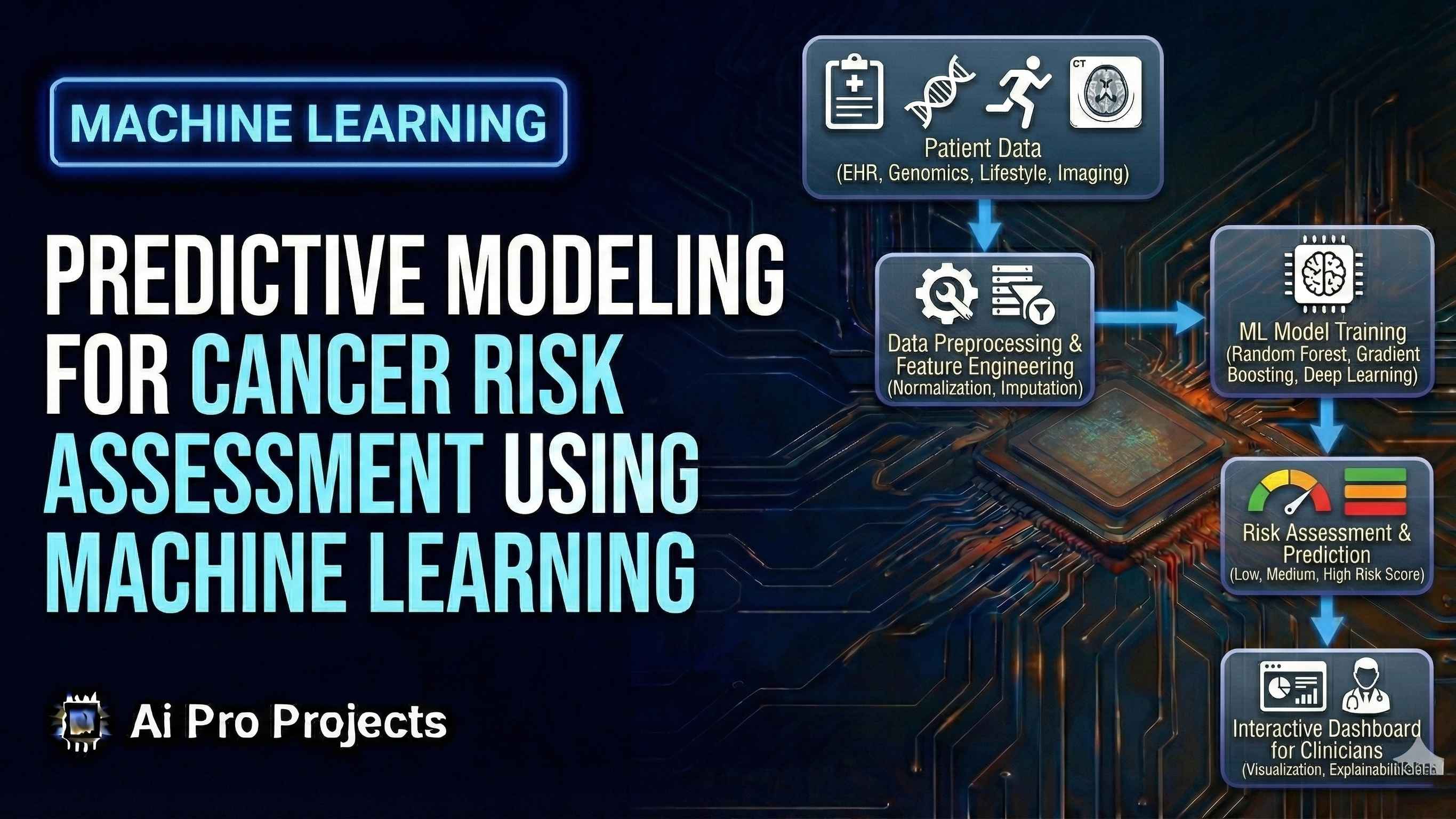
Predictive Modeling for Cancer Risk Assessment Using Machine Learning
This project develops a machine learning model to predict cancer risk levels (High, Medium, Low) based on demographic, behavioral, and health data. It addresses class imbalance using techniques like SMOTE and optimizes model performance with hyperparameter tuning, providing crucial insights for early detection and intervention.
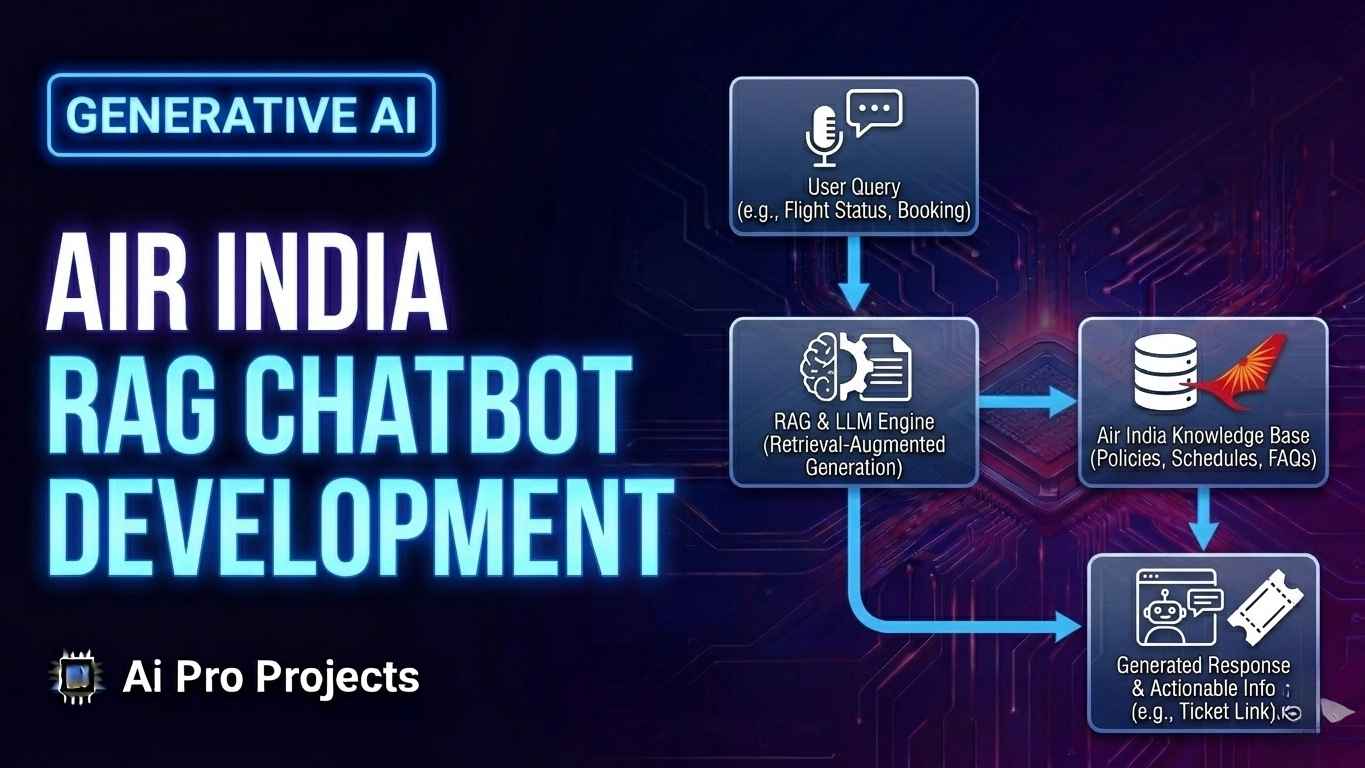
Air India RAG Chatbot Development
Develop an AI-powered chatbot tailored for Air India, leveraging AWS Bedrock APIs for natural language processing. This chatbot will provide real-time support by answering queries about flight schedules, bookings, and various airline services, utilizing a knowledge base of Air India-related documents.
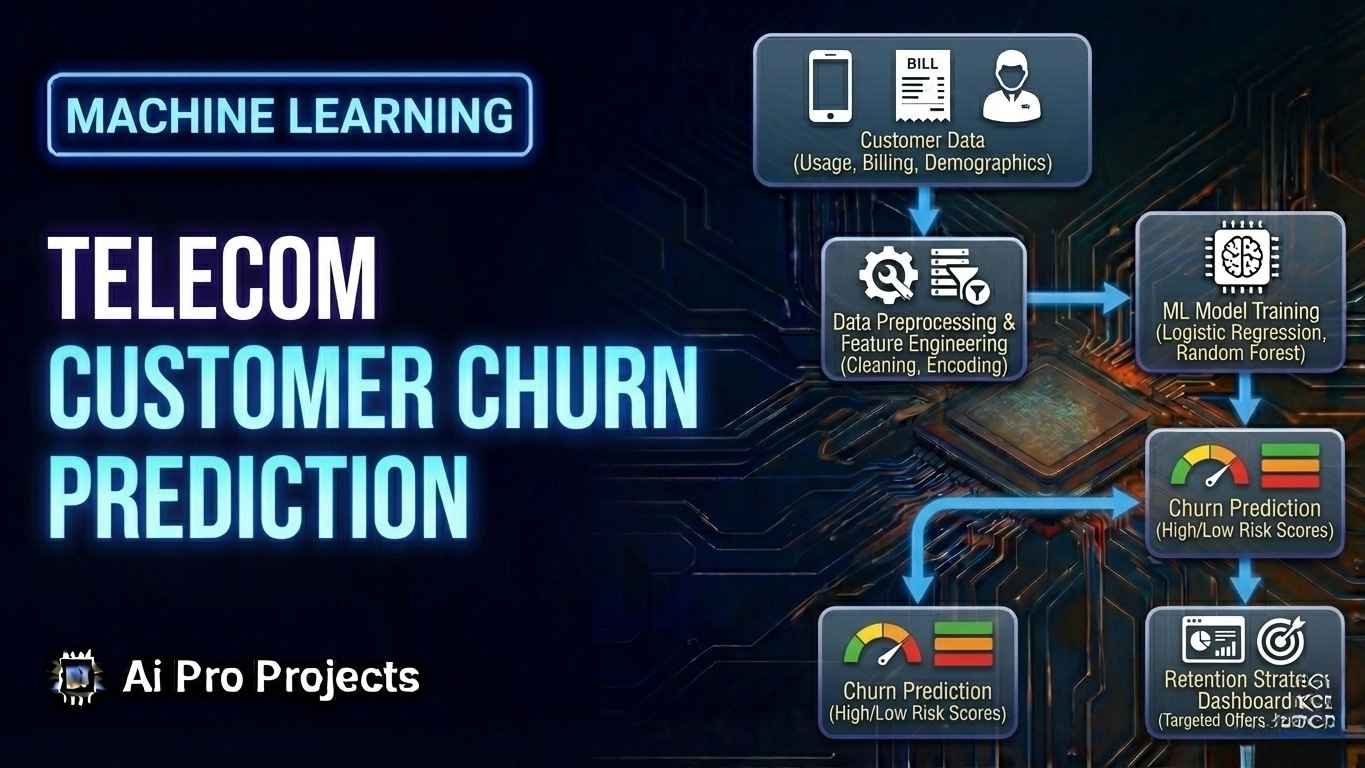
Telecom Customer Churn Prediction using Machine Learning
This project focuses on developing a machine learning system to predict customer churn in the telecommunications industry. It covers the entire data science lifecycle, from exploratory data analysis to model deployment, enabling proactive intervention and customer retention.
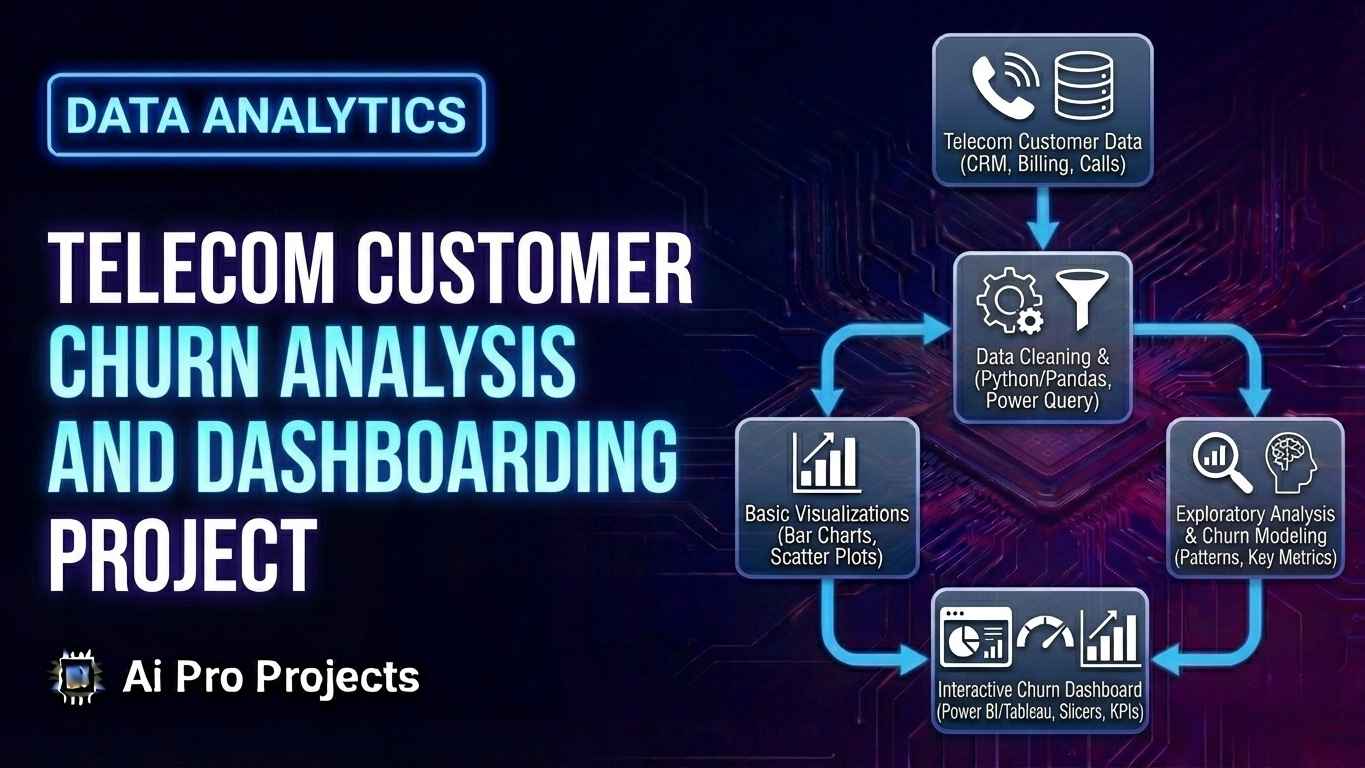
Telecom Customer Churn Analysis and Dashboarding Project
This project provides a comprehensive end-to-end analysis of customer churn in the telecom industry. You'll perform exploratory data analysis, build interactive dashboards, and generate actionable insights to help telecom companies reduce churn and improve customer retention.
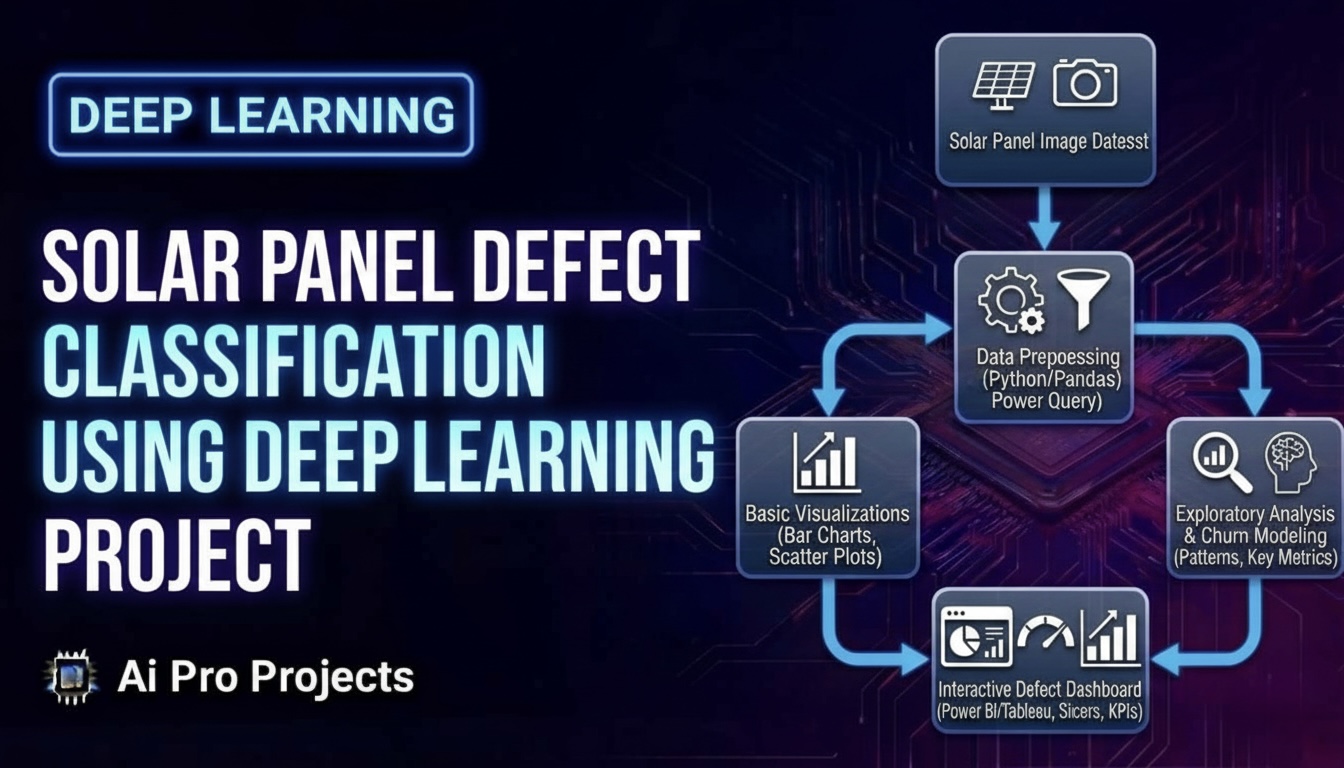
Solar Panel Defect Classification Using Deep Learning
This project focuses on building and deploying image classification models using various architectures. Students will gain hands-on experience with model training, hyperparameter optimization, and deployment on AWS EC2, culminating in a functional image classification service.
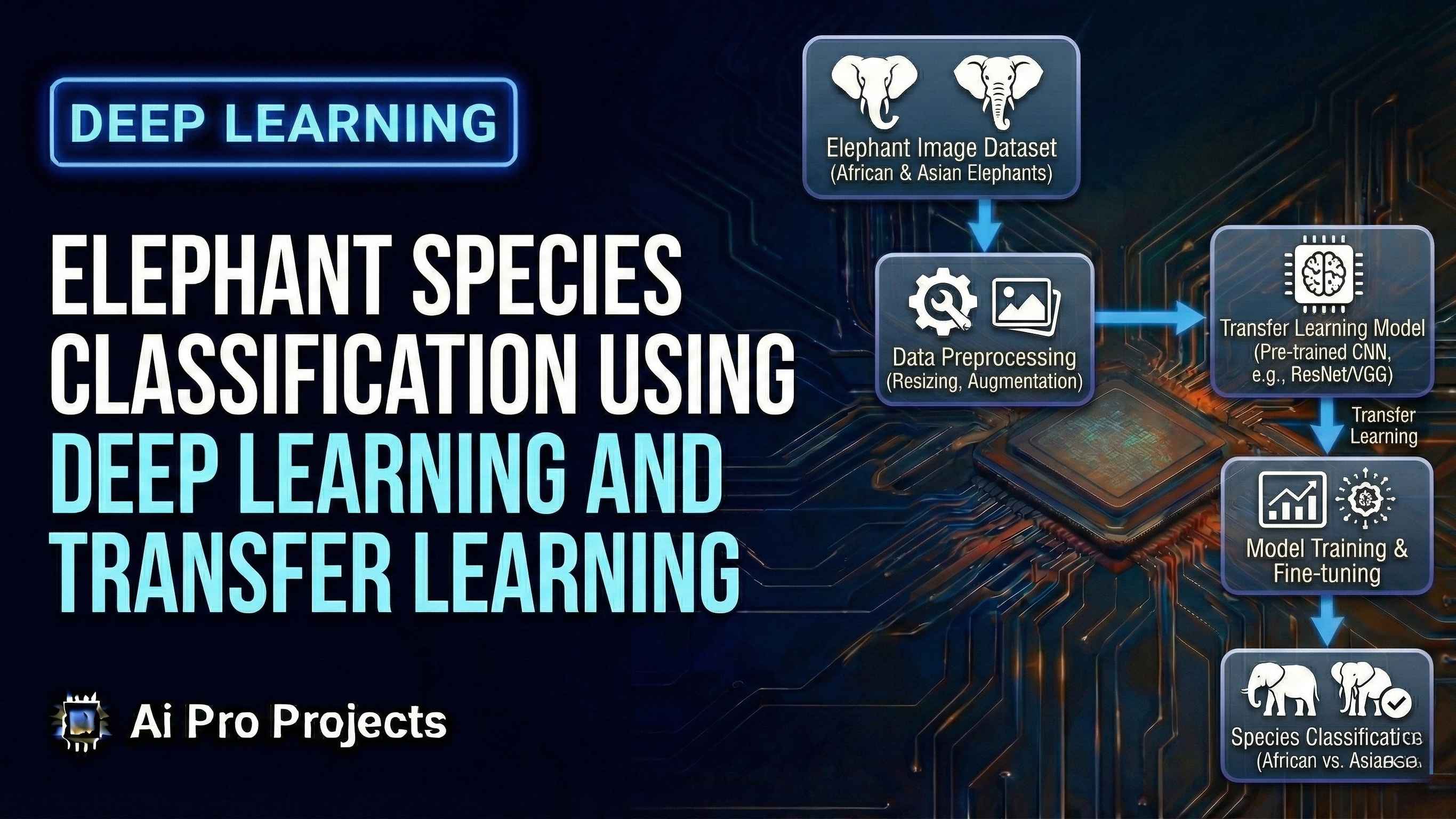
Elephant Species Classification using Deep Learning and Transfer Learning
This project focuses on developing an automated elephant species classification system using deep learning techniques, specifically convolutional neural networks (CNNs) and transfer learning. By accurately identifying elephants from photographic data, the system aims to enhance wildlife conservation efforts through improved monitoring and data analysis.
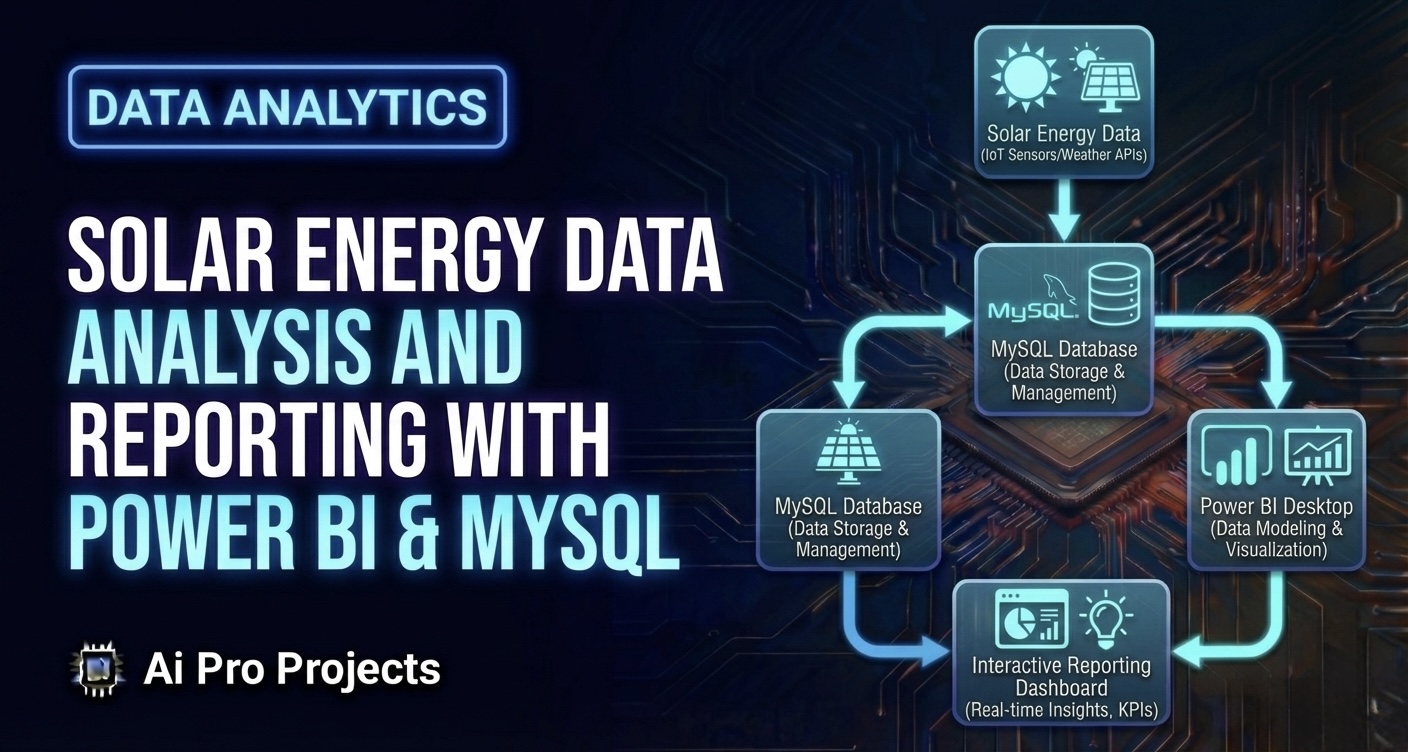
Solar Energy Data Analysis and Reporting with Power BI & MySQL
This project guides learners through building a comprehensive Power BI report using real-world solar energy data stored in a MySQL database. It covers the entire process, from data integration and transformation to in-depth analysis and visualization, culminating in actionable insights for sustainable energy investment.
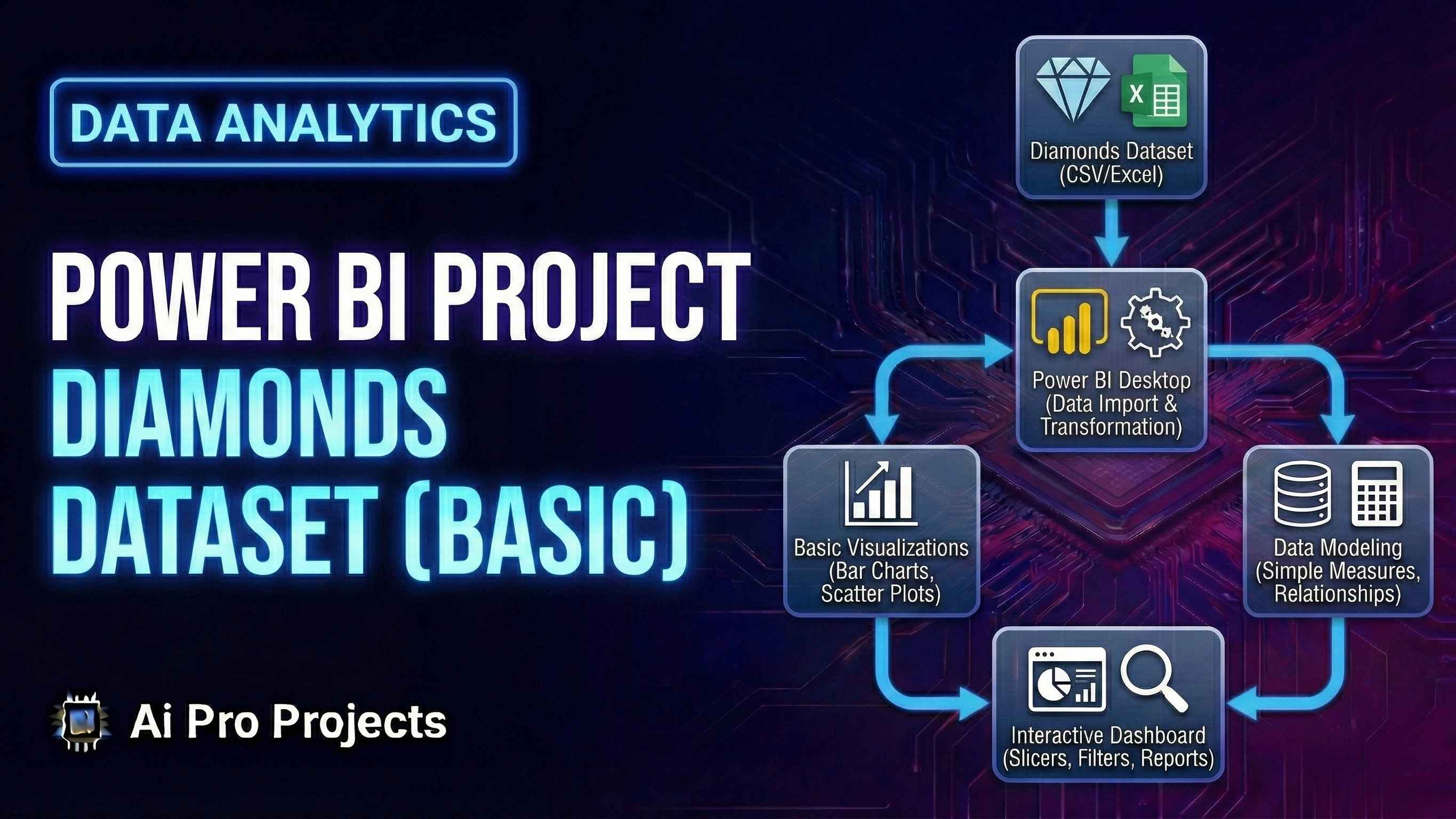
Interactive Diamonds Data Analysis and Visualization with Power BI
This project provides a hands-on experience in creating a comprehensive Power BI report using the Diamonds dataset. Learners will progress from setting up their Power BI environment and understanding the dataset to building interactive visualizations and effectively presenting data-driven insights.
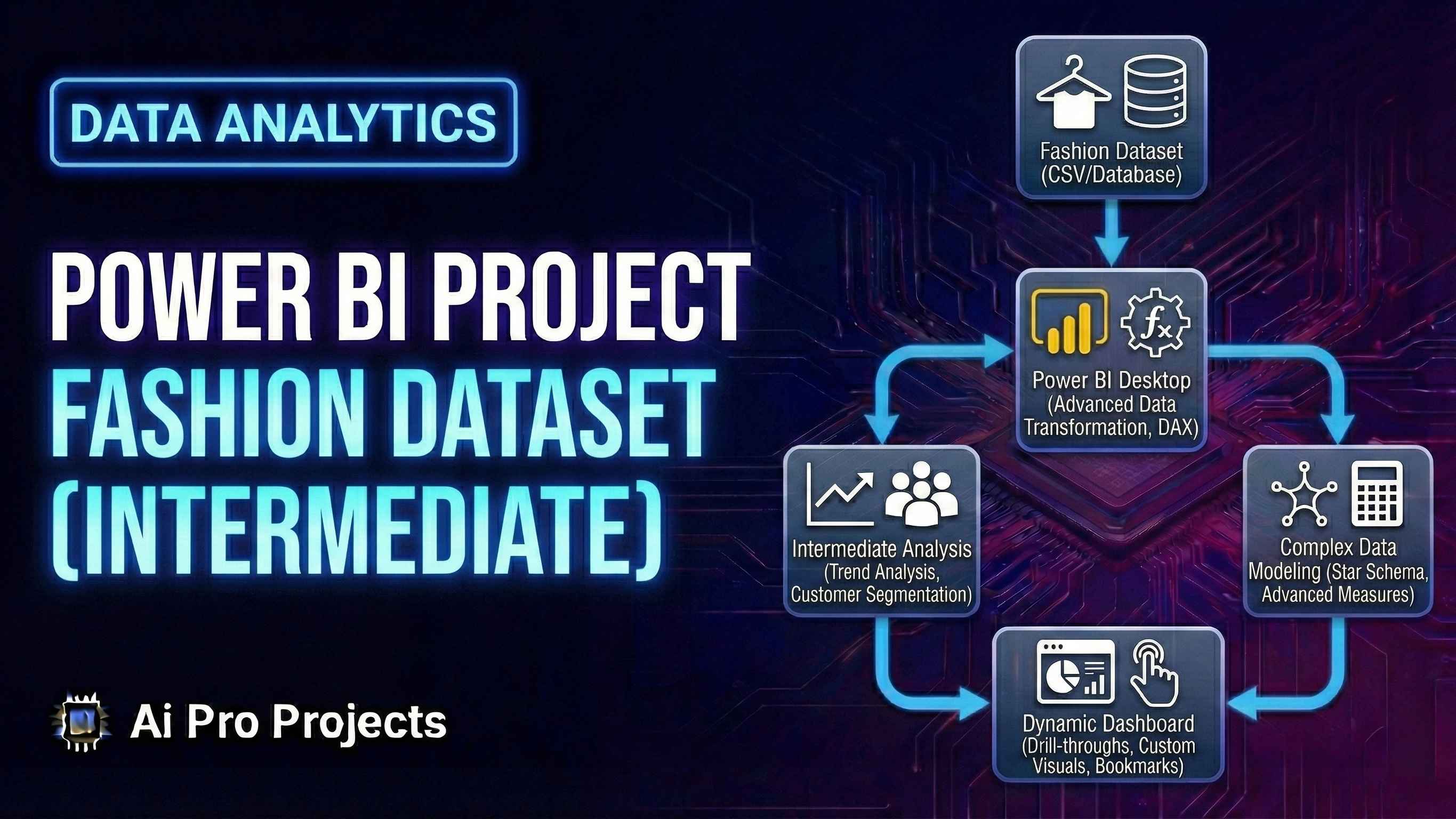
SQL Server and Power BI for End-to-End Sales Data Analysis and Visualization
This course empowers learners to conduct comprehensive sales data analysis using SQL Server and Power BI. Participants will learn to clean, transform, model, and visualize real-world sales data, culminating in the creation of interactive and insightful Power BI reports.
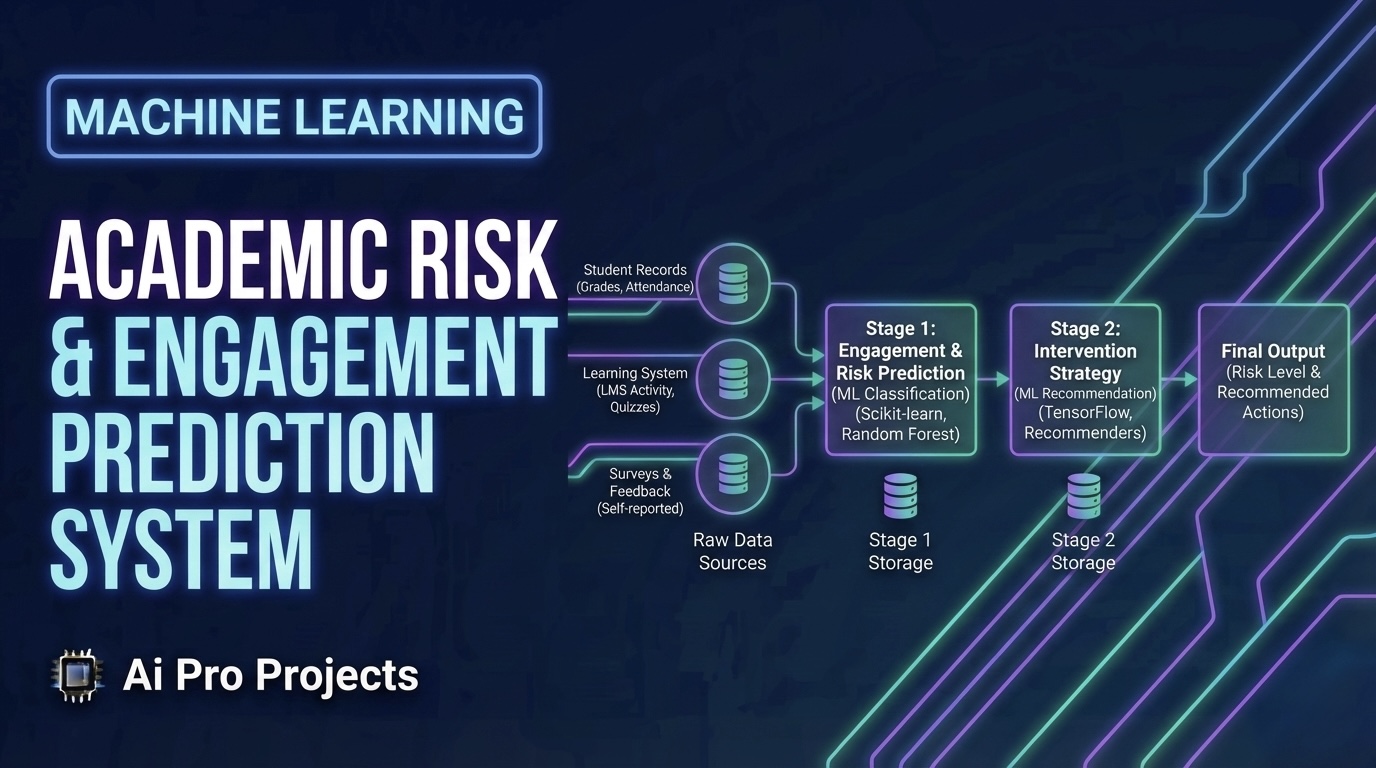
Academic Risk & Engagement Prediction System
This project focuses on predicting student academic outcomes based on demographic, academic, and behavioral data. It demonstrates how educational institutions can use Machine Learning to identify students at risk, understand performance drivers, and make data-driven decisions to improve learning outcomes.The project emphasizes classification and probabilistic modeling, proper data preprocessing, feature importance analysis, and model evaluation.
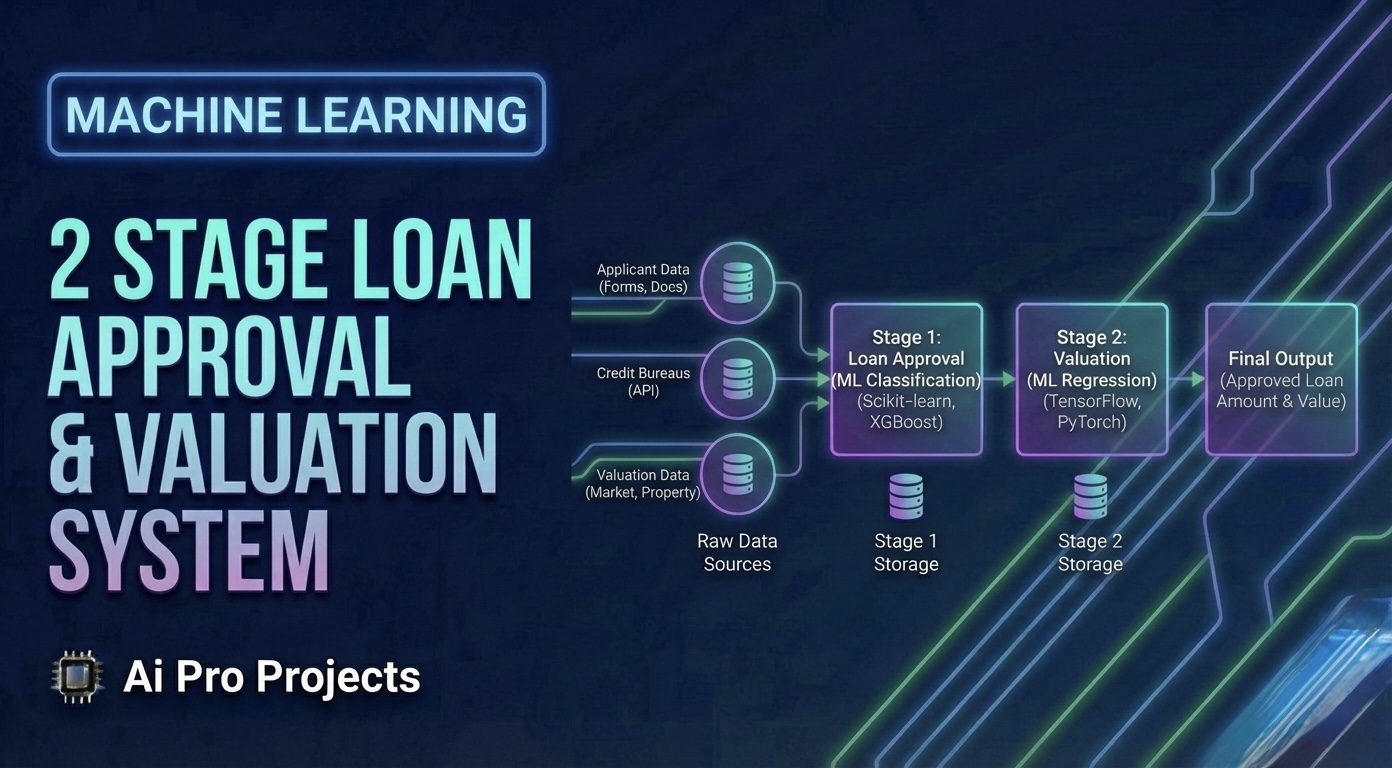
2 Stage Loan Approval & Valuation System
This project is a real-world, end-to-end Machine Learning application that simulates how financial institutions evaluate loan applications. It uses a two-stage modeling approach where the first model decides whether a loan should be approved or rejected, and the second model predicts the optimal loan amount for approved applicants. The project covers the full ML lifecycle from dataset understanding and experimentation in Jupyter Notebook to modular Python code, configuration management using YAML, and deployment on Streamlit Cloud.
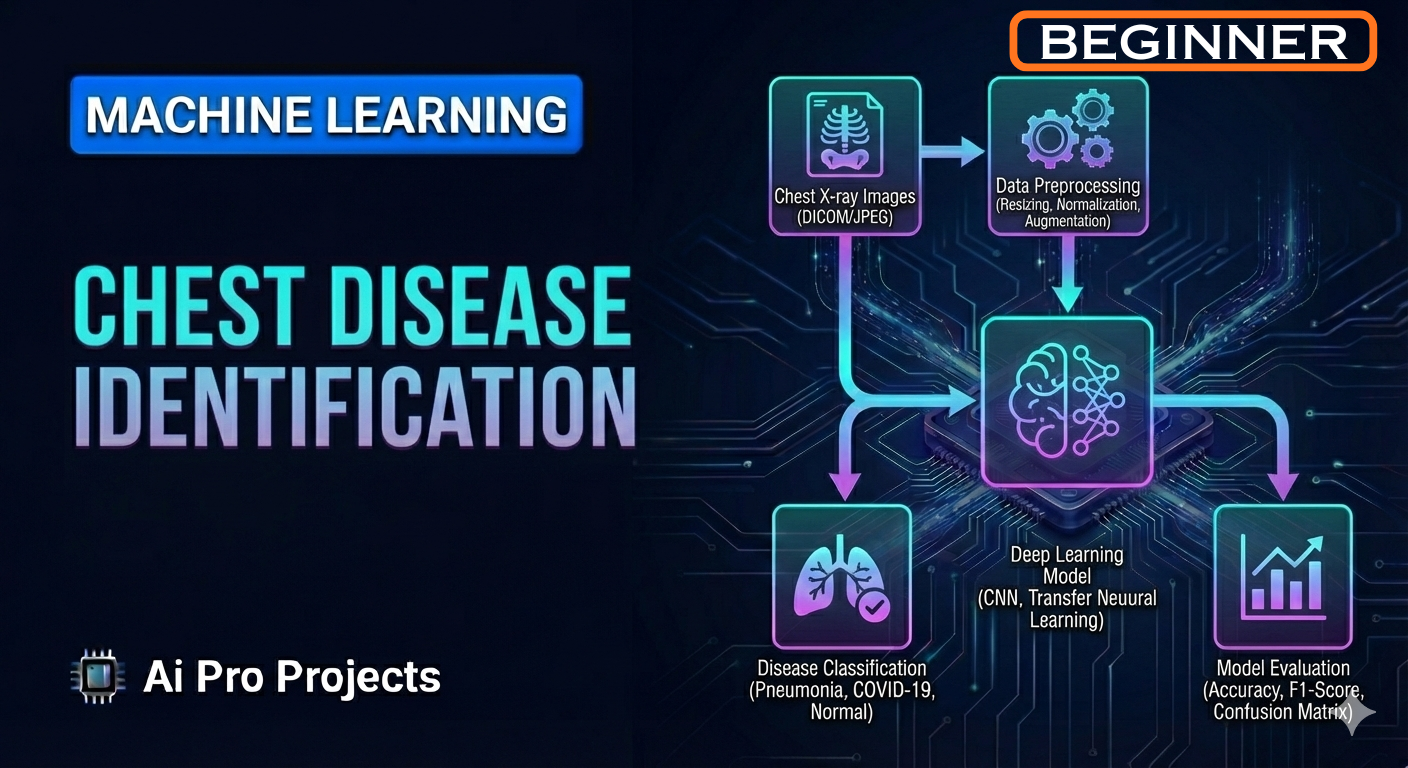
Chest Disease Identification
This project is an end-to-end Machine Learning application designed to classify chest diseases from CT scan images. It demonstrates a complete MLOps lifecycle, incorporating experiment tracking, pipeline orchestration, model versioning, and automated deployment using CI/CD pipelines. The solution leverages Deep Learning (CNNs) for classification and provides a web interface for user interaction.
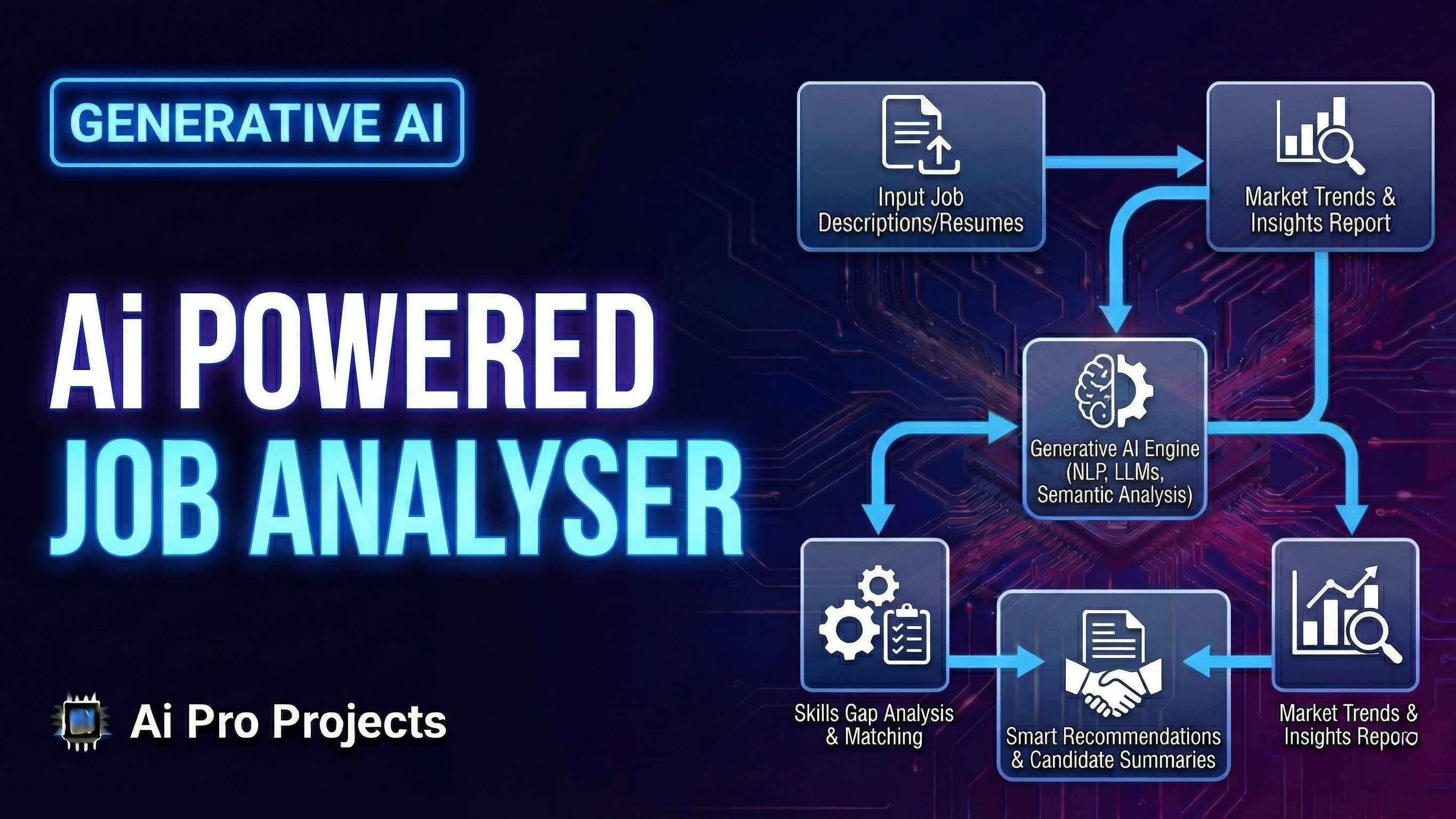
AI Powered Job Analyzer using Filebeat with ELK Stack and Kubernetes
The AI Powered Job Analyzer is a cloud-native application that leverages GPT-4 to automatically screen resumes against job descriptions for hiring accuracy. Deployed on a Kubernetes cluster, it integrates a full ELK stack (Filebeat, Logstash, Elasticsearch, Kibana) to provide robust, real-time logging and system observability.
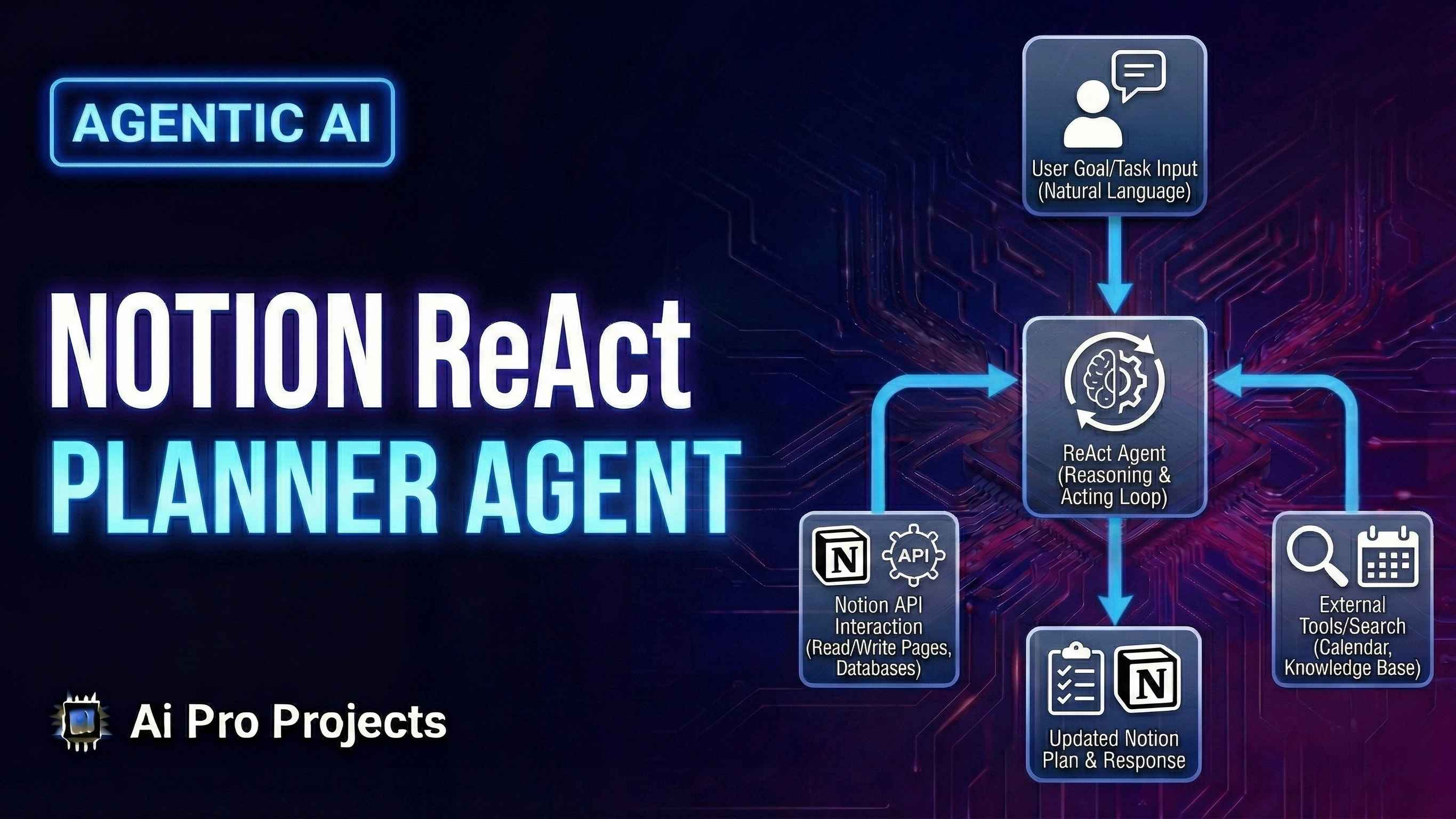
Notion ReAct Planner Agent
The Notion ReAct Planner Agent is a smart, reasoning-driven daily planning system powered by a ReAct (Reason + Act) AI agent, deeply integrated with Notion. Unlike traditional task automation tools that follow fixed rules, this system uses structured reasoning to understand user intent, plan actions, and intelligently interact with tools to manage daily workflows. At its core, the project implements the ReAct agent architecture, where the AI alternates between reasoning steps (thinking about what to do next) and actions (calling tools such as Notion APIs or external services). This enables the agent to break down natural language instructions—like planning a day, adding notes, or managing schedules—into logical steps and execute them reliably.
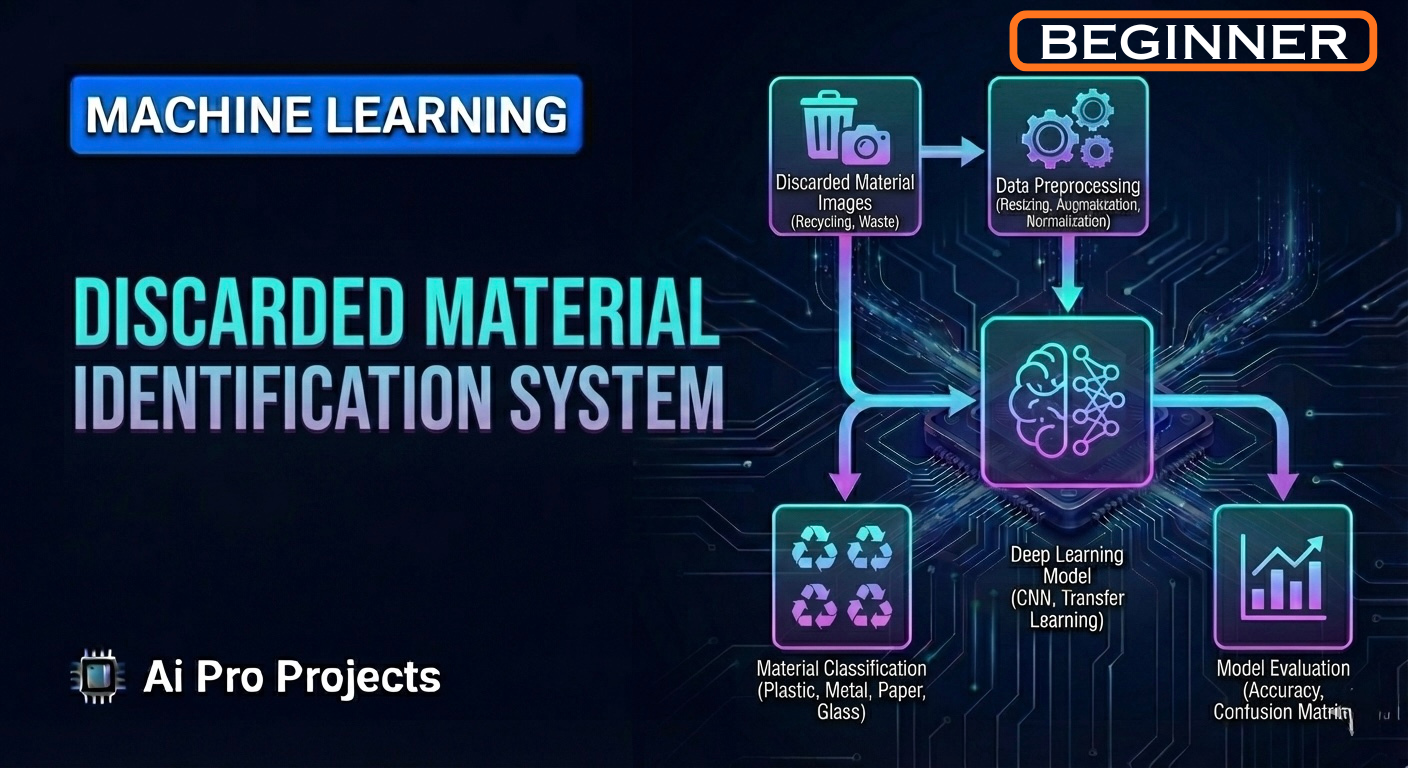
Discarded Material Identification System
This project is an end-to-end Machine Learning solution designed to detect and classify waste objects in images/live video. It leverages the state-of-the-art object detection model to achieve high accuracy and real-time performance. The system is built with a production-ready mindset, featuring a modular architecture, automated pipelines, and CI/CD integration for cloud deployment.
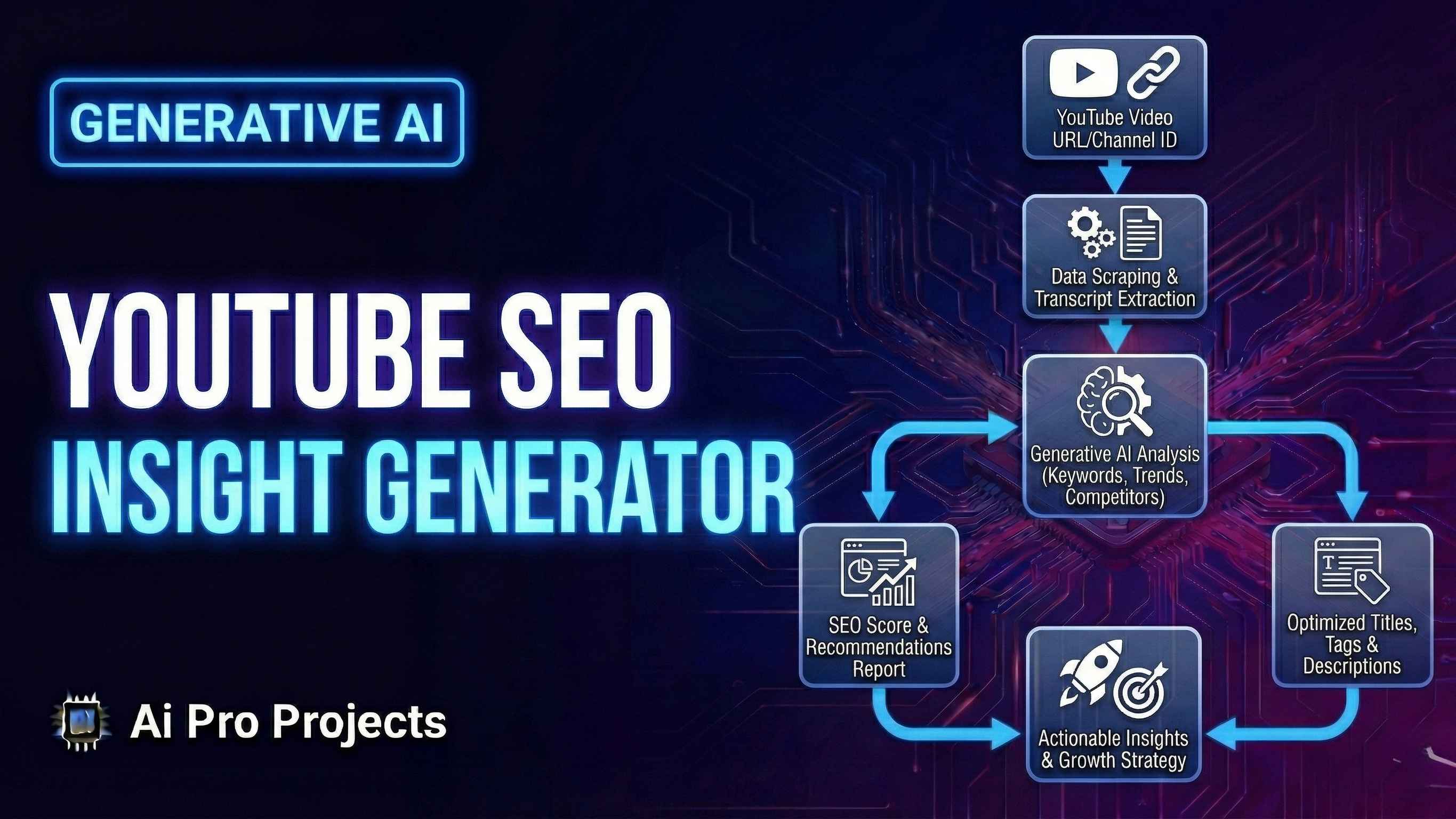
YouTube SEO Insights Generator using Jenkins, ArgoCD & Kubernetes
An end-to-end AI application that automates YouTube SEO analysis using GPT-4 and a professional GitOps pipeline. This project demonstrates how to build a web app and integrate OpenAI, and deploy it onto a Kubernetes cluster using Jenkins, Docker, and Argo CD.
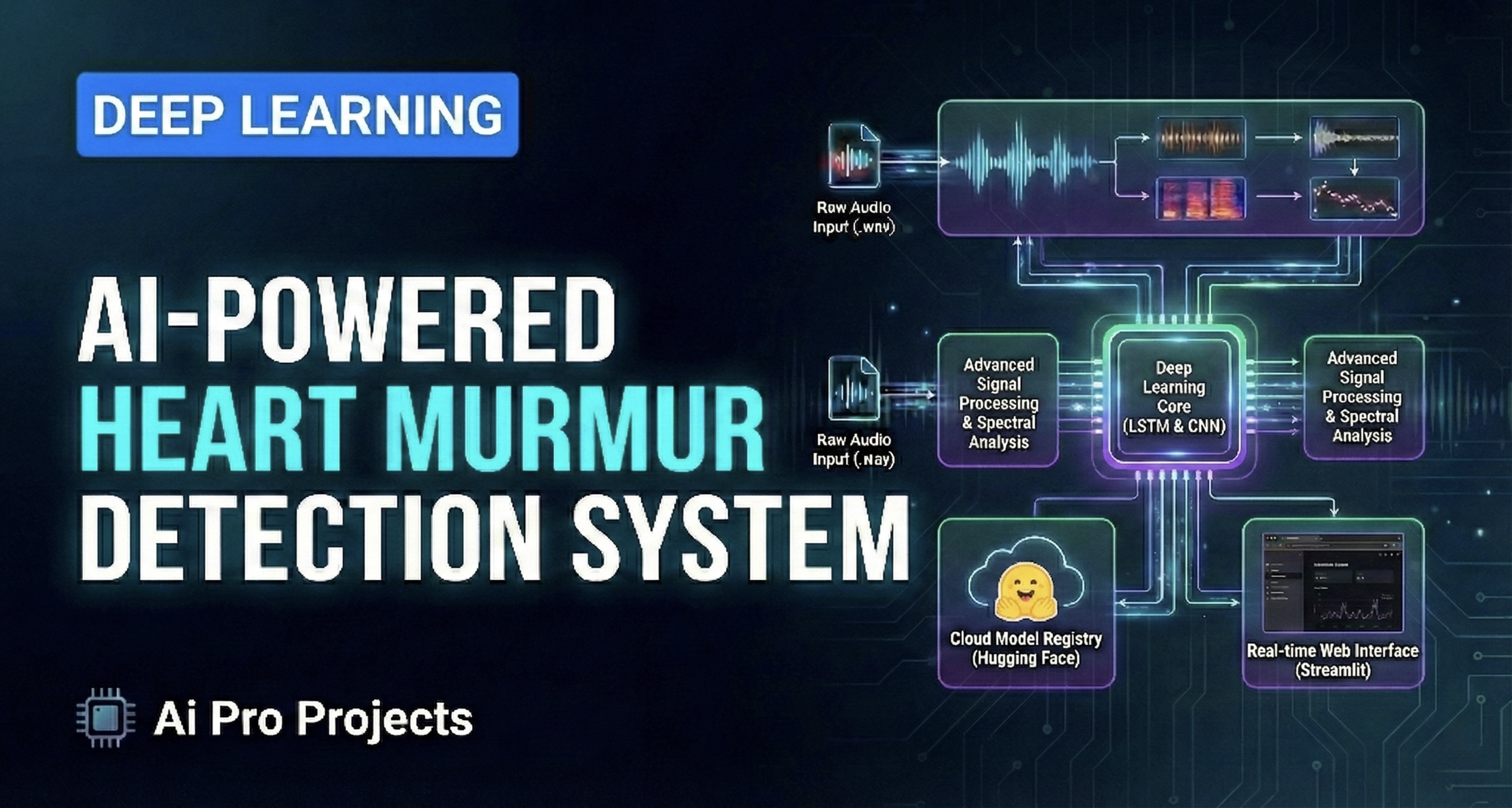
AI-Powered Heart Murmur Detection System
Develop an AI-powered heart murmur detection system using audio signal processing and deep learning techniques. The system will enable users to analyze heart sound recordings, extract relevant features, and classify audio using a trained LSTM model, providing a valuable tool for preliminary cardiac assessment.
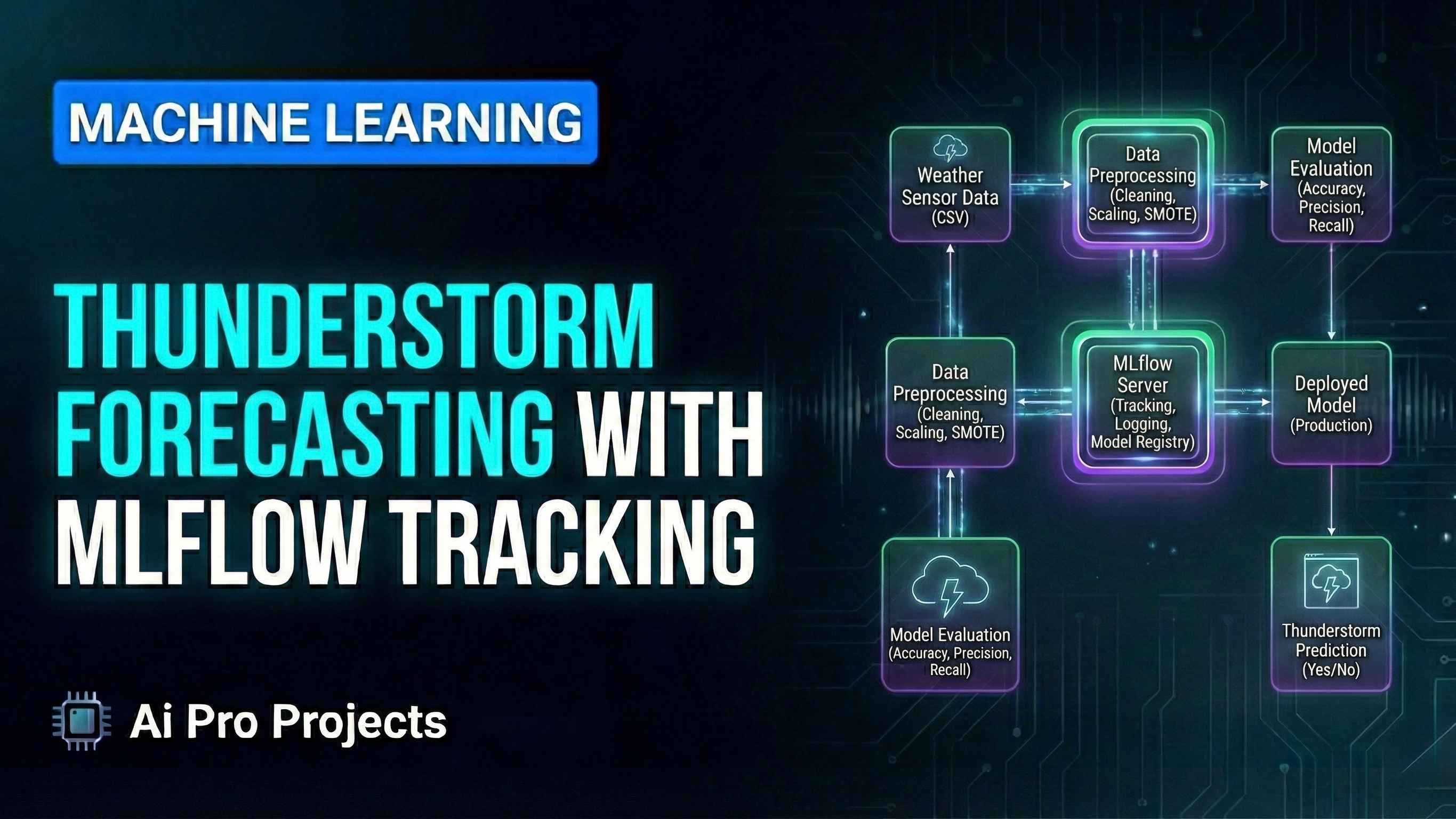
Thunderstorm Forecasting with MLFlow Tracking
Develop a robust thunderstorm forecasting system leveraging machine learning models and MLflow for tracking experiments. This project integrates data preparation, model training, hyperparameter tuning, and deployment to predict thunderstorm occurrences, enhancing weather prediction accuracy and enabling proactive safety measures.
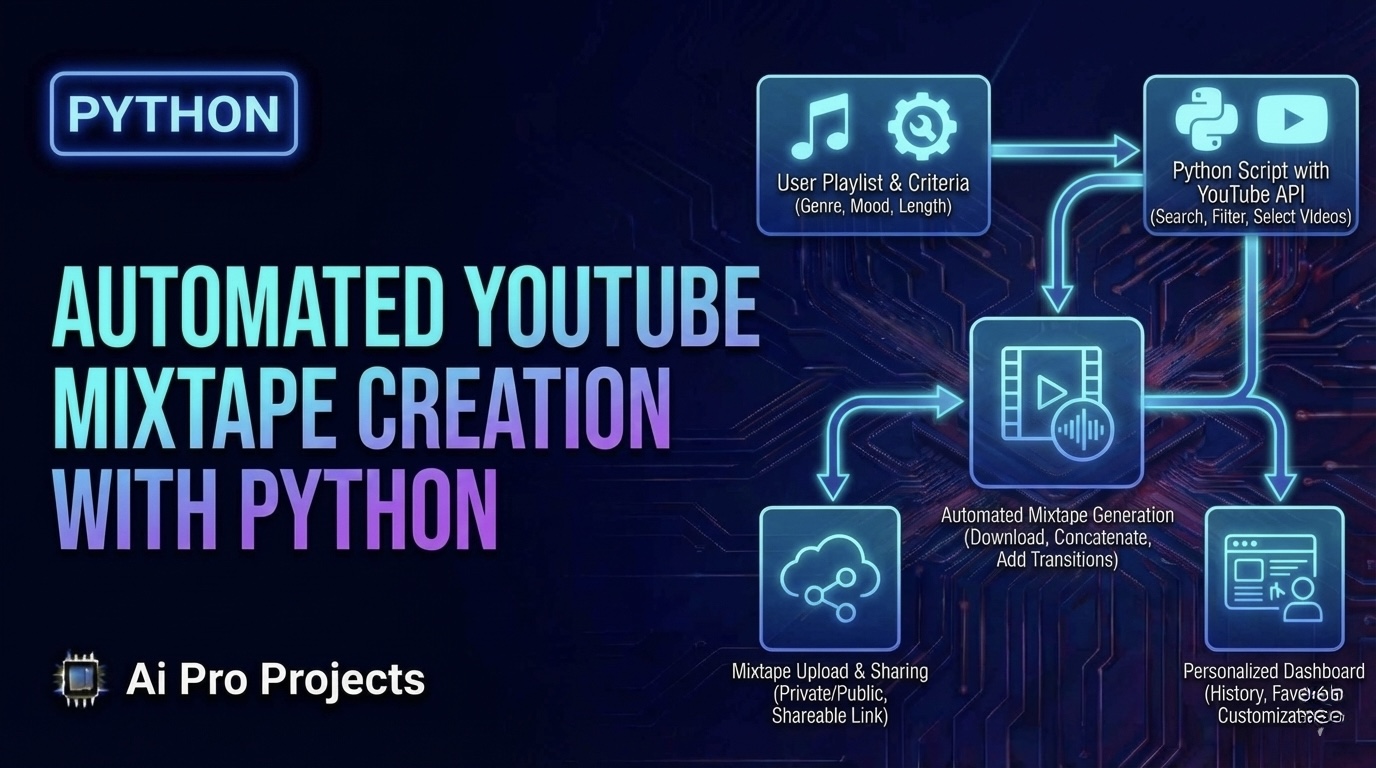
Automated YouTube Mixtape Creation with Python
Build a complete system for automating YouTube mixtape creation, transforming raw audio into publish-ready video content. This project teaches students to merge audio tracks, generate descriptions with timestamps, and convert audio into video using Python, FastAPI, and Streamlit.
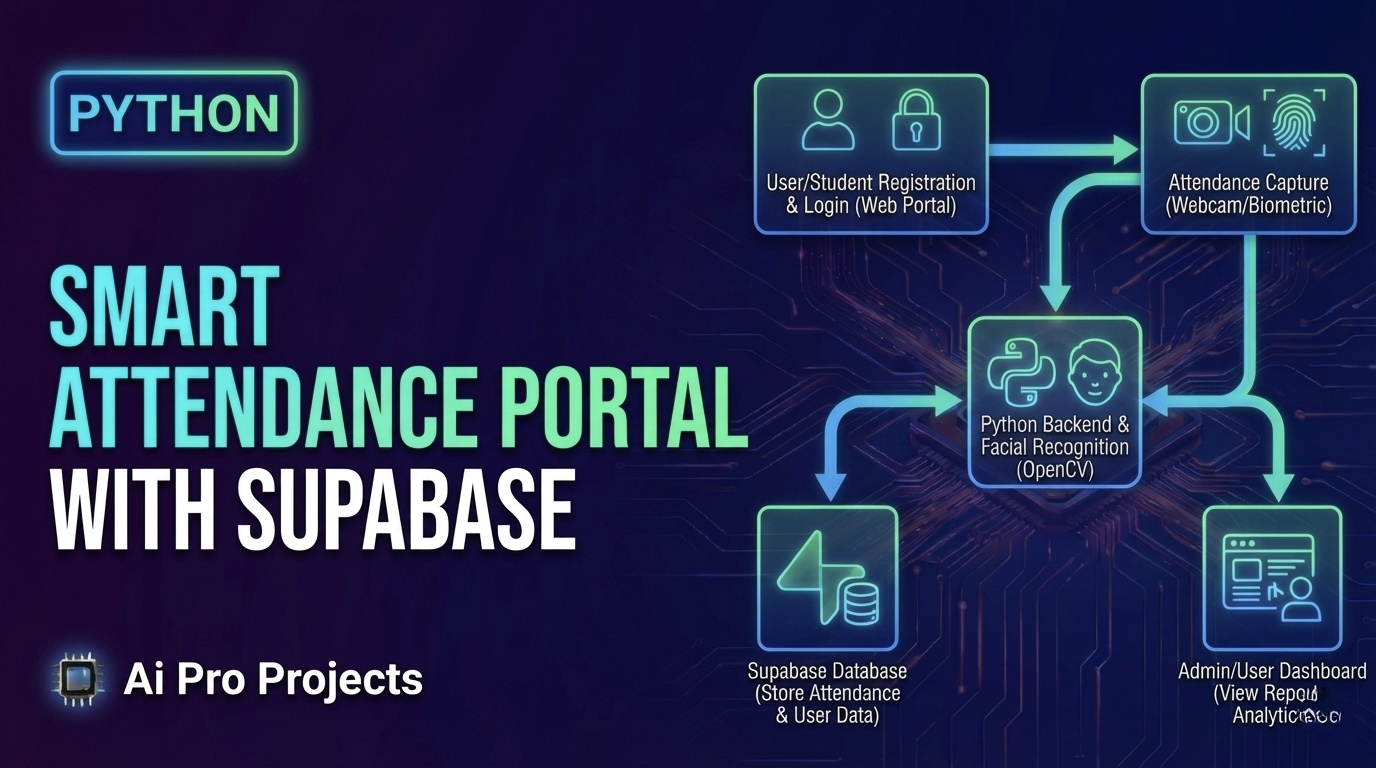
Smart Attendance Portal with Supabase
Develop a modular, web-based attendance management system using Streamlit and Supabase, enabling secure student attendance marking and real-time administrative control over classes, attendance codes, and analytics. The system features roll-number locking for enhanced security and automated CSV exports for comprehensive analytical reporting, providing a robust and scalable solution for educational institutions.
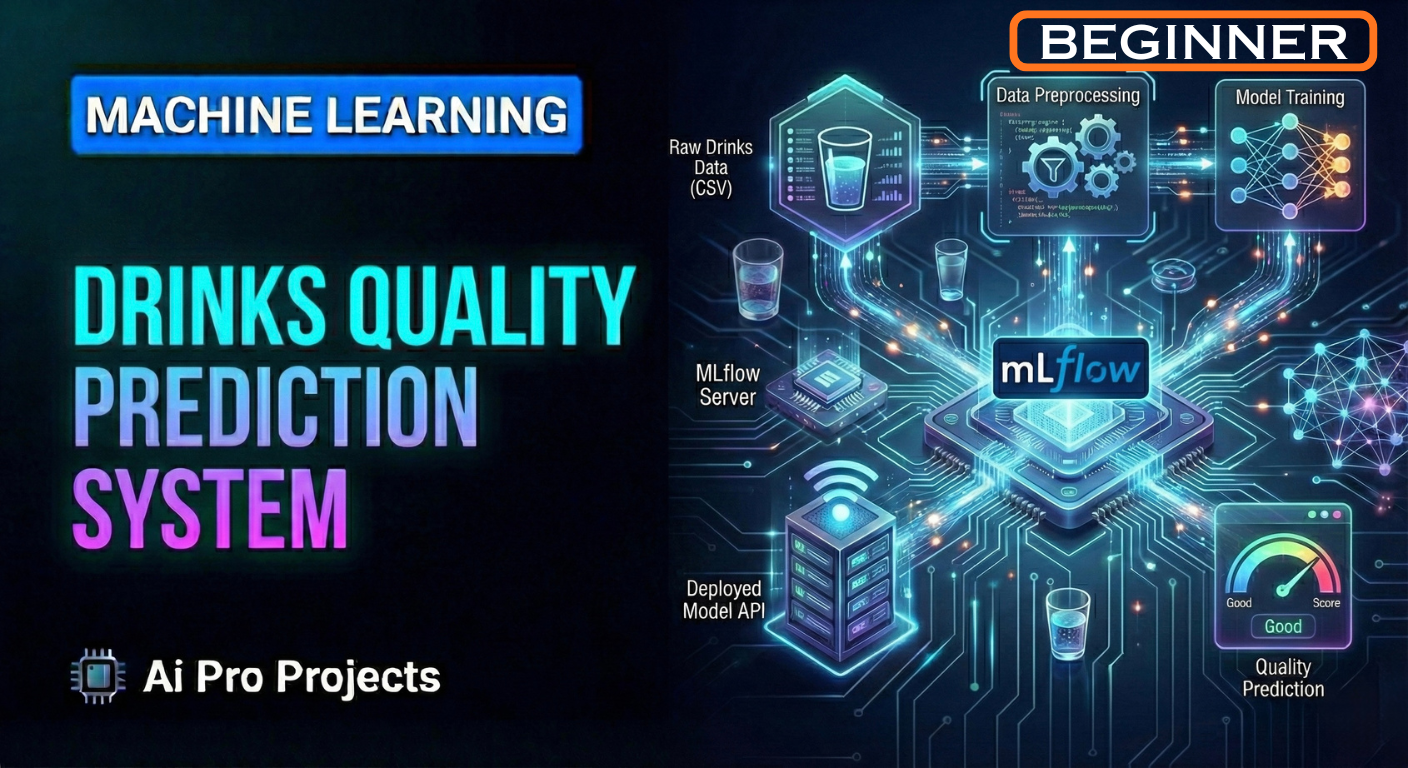
Drinks Quality Prediction System
This project aims to build a robust, end-to-end Machine Learning pipeline for predicting the quality of Drinks based on physicochemical tests. It demonstrates a complete ML workflow, emphasizing modularity, reproducibility, and automation.
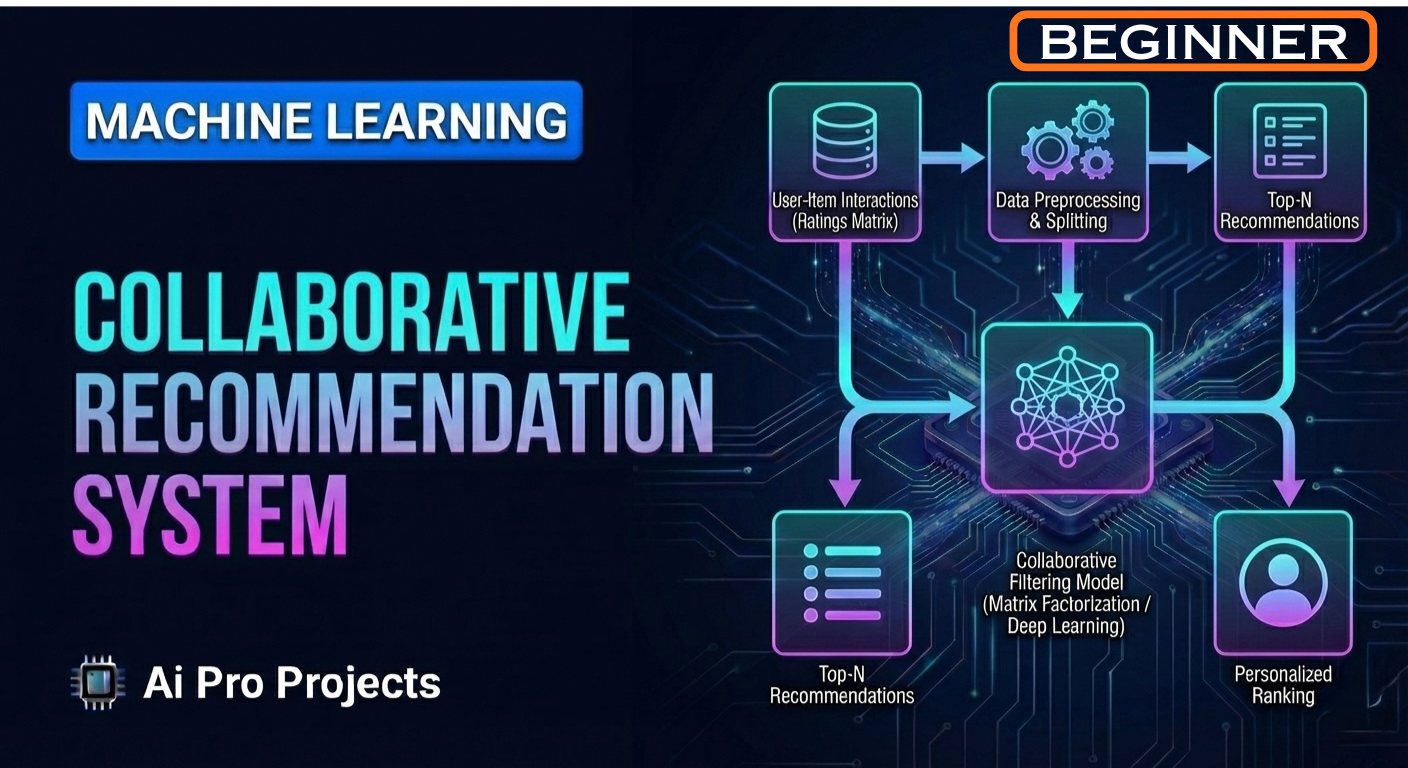
Collaborative Filtering Recommendation System
The End-to-End Recommender System is a machine learning-based application designed to recommend books to users based on collaborative filtering. The project encompasses a complete MLOps pipeline, including data ingestion, validation, transformation, model training, and a web-based user interface for interaction.
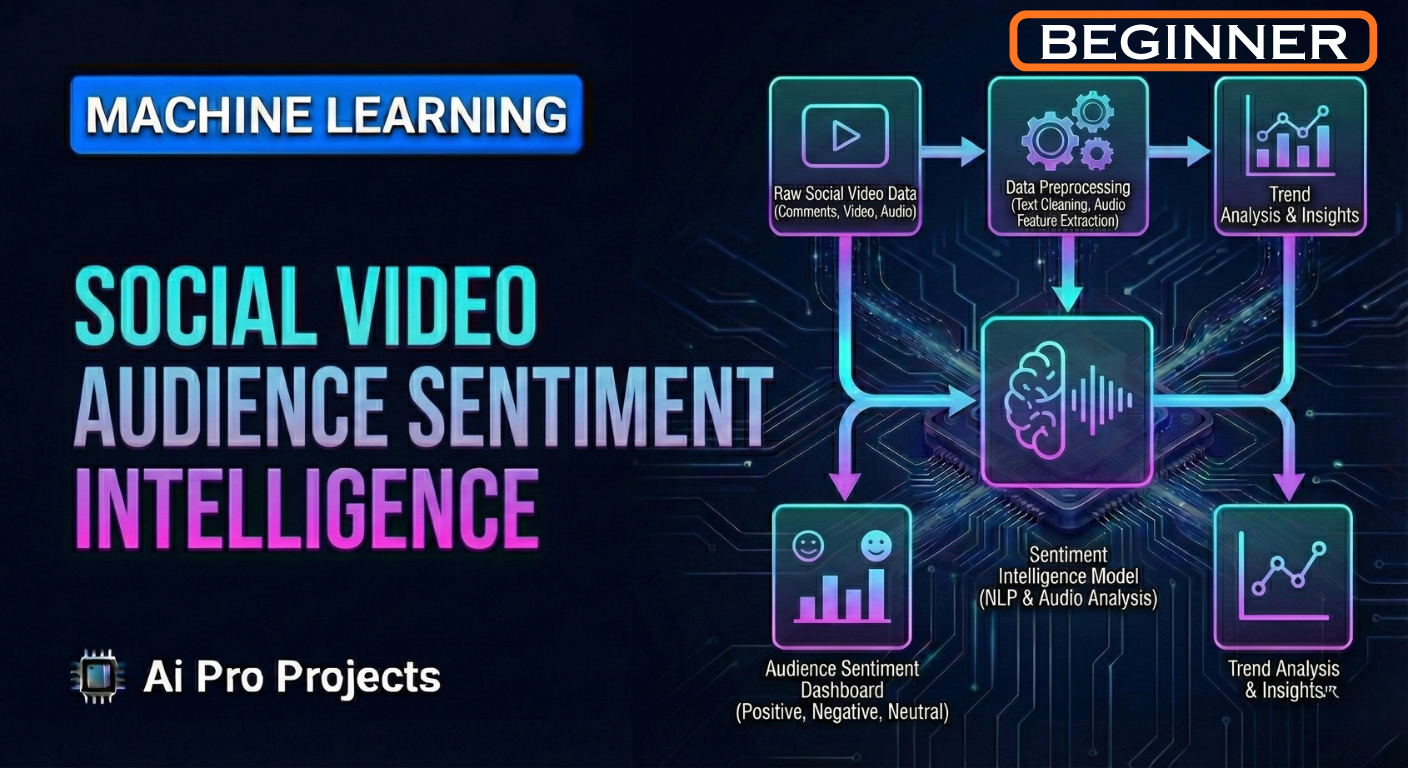
Social Video Audience Sentiment Intelligence
Develop an intelligent system to analyze audience sentiment from social video comments. The project focuses on collecting, preprocessing, and classifying user comments to understand overall sentiment trends and provide actionable insights for content creators.
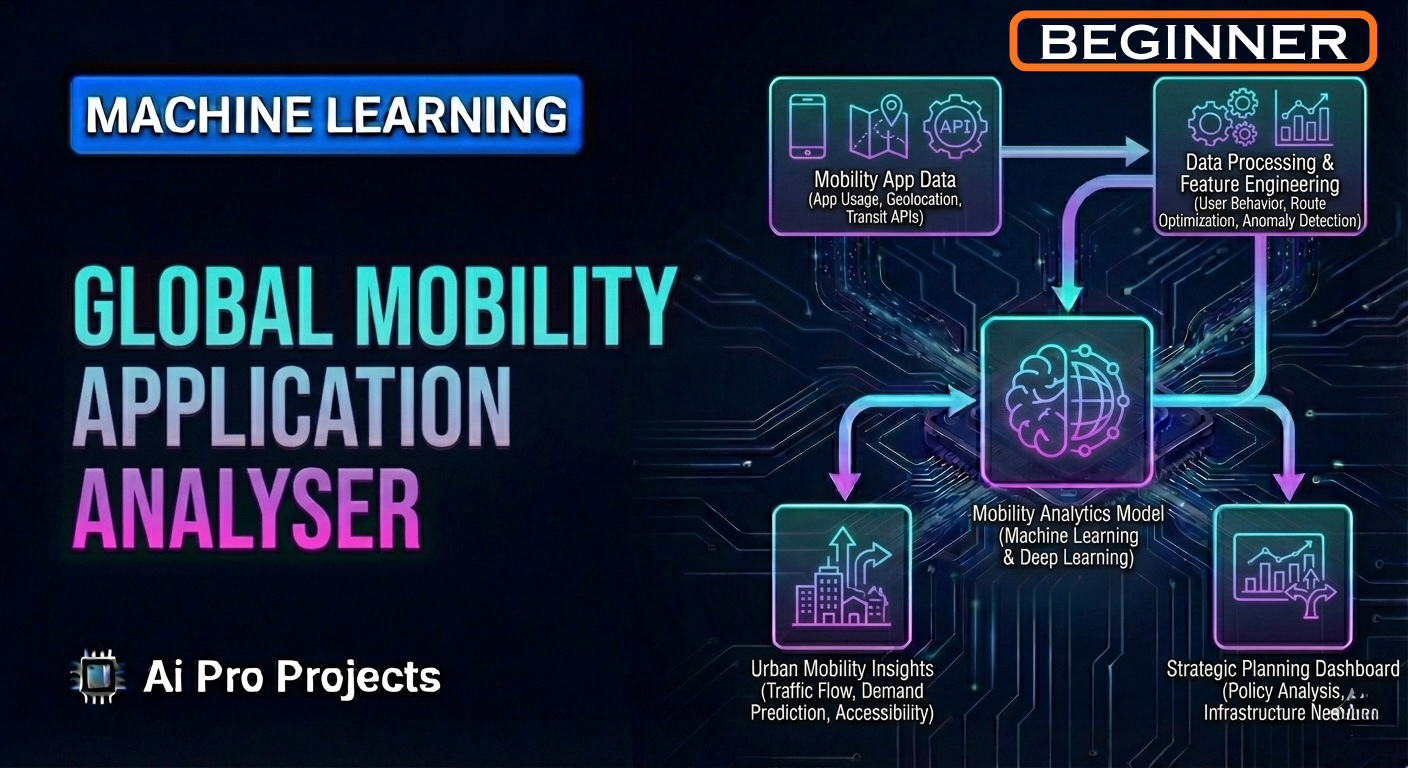
Global Mobility Application Analyzer
Develop an automated system for analyzing and processing global mobility applications, streamlining the immigration and relocation process. This project focuses on building a complete ML pipeline to automate key aspects of the application review, leveraging feature engineering, model training, and deployment strategies for efficiency and accuracy.